

Mineral and ester based water miscible metalworking fluids
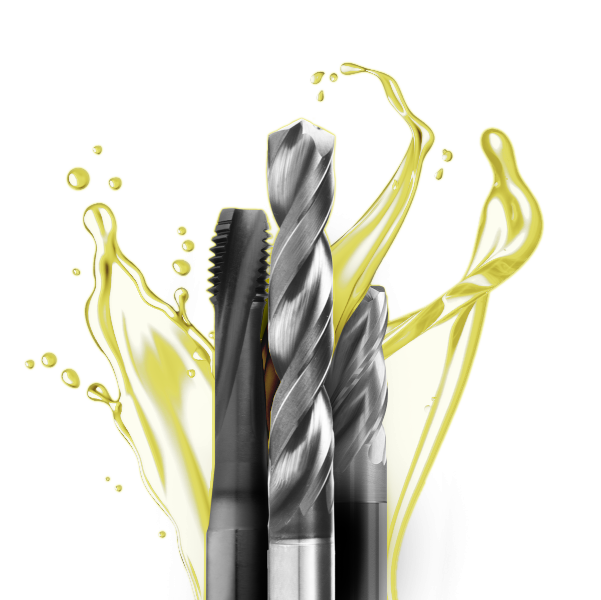
In the world of machine shops, efficiency and precision are key elements in ensuring the quality of the work performed. Read more
-
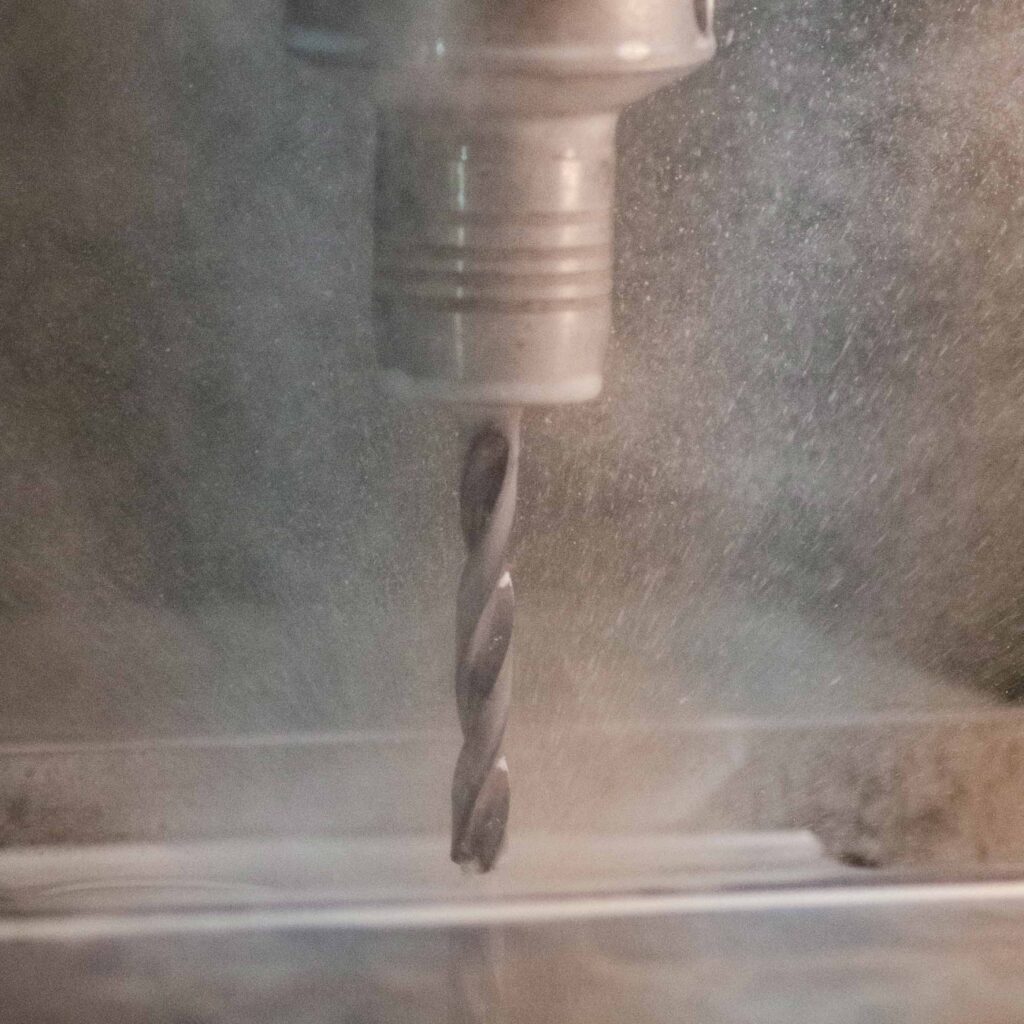
Mineral and Ester-Based Metalworking Fluids Inova E POWER LANDOIL
Inova E POWER LANDOIL mineral and ester-based metalworking fluid with high oil content, ideal for heavy-duty machining. -
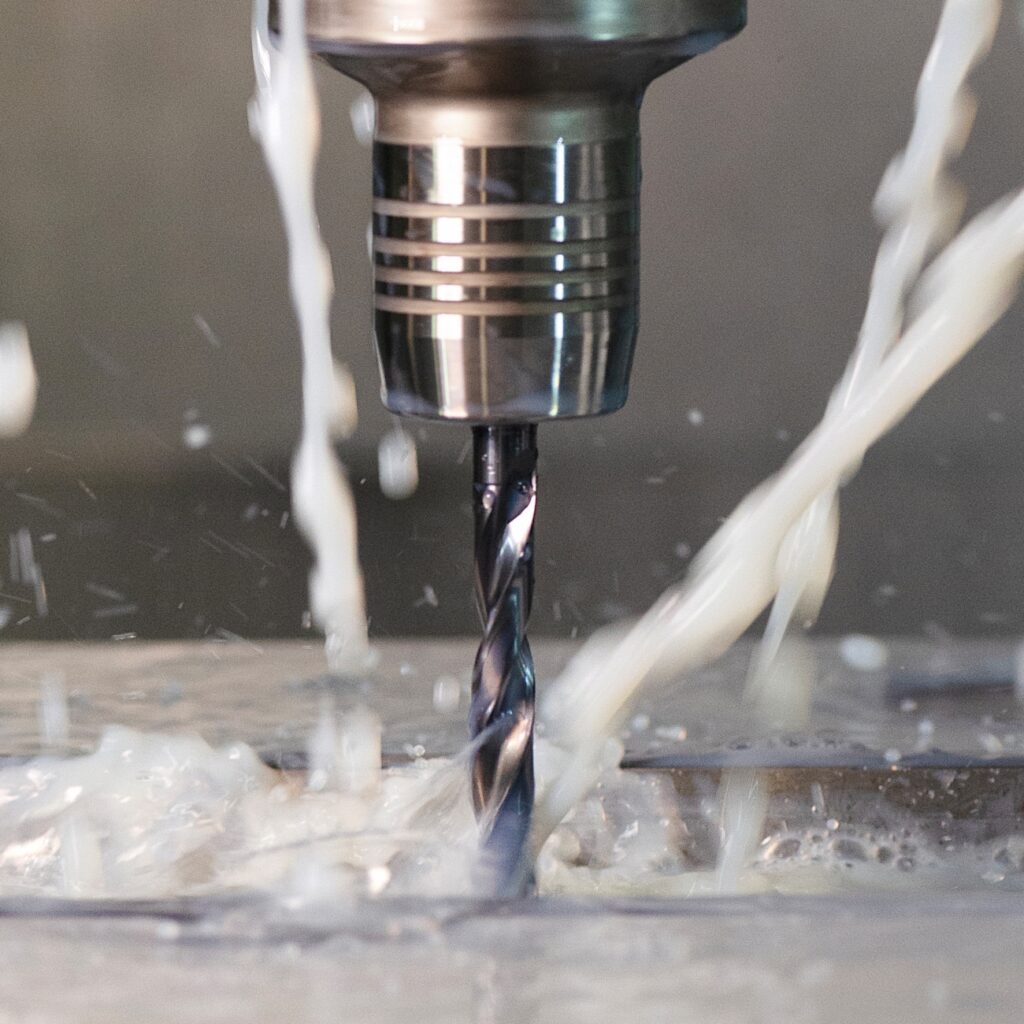
Mineral and Ester-Based Metalworking Fluids Inova E UNI LANDOIL
Inova E UNI LANDOIL mineral and ester-based metalworking fluid, high content oil, ideal for universal machining. -
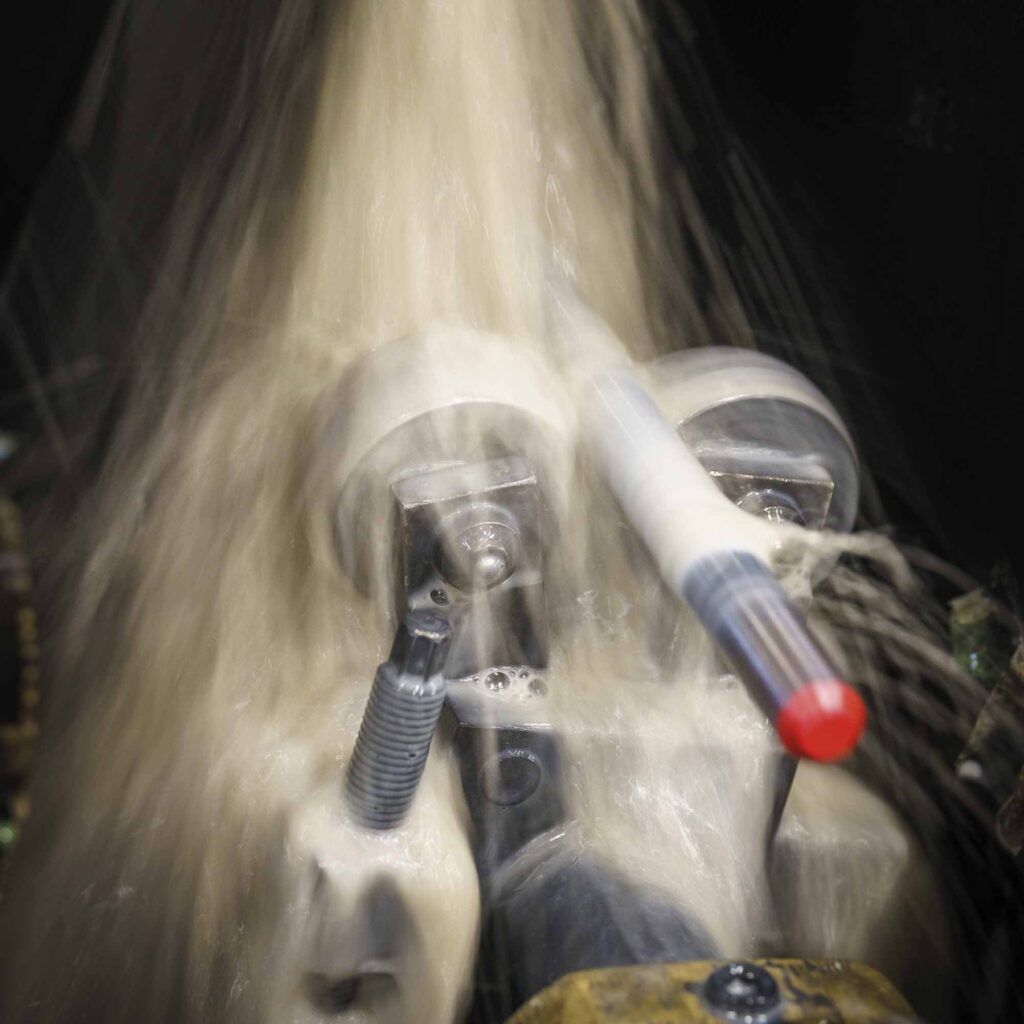
Mineral and Ester-Based Metalworking Fluids Inova S LANDOIL
Inova S LANDOIL mineral and ester-based metalworking fluid, medium content oil, ideal for general machining of ferrous materials. -
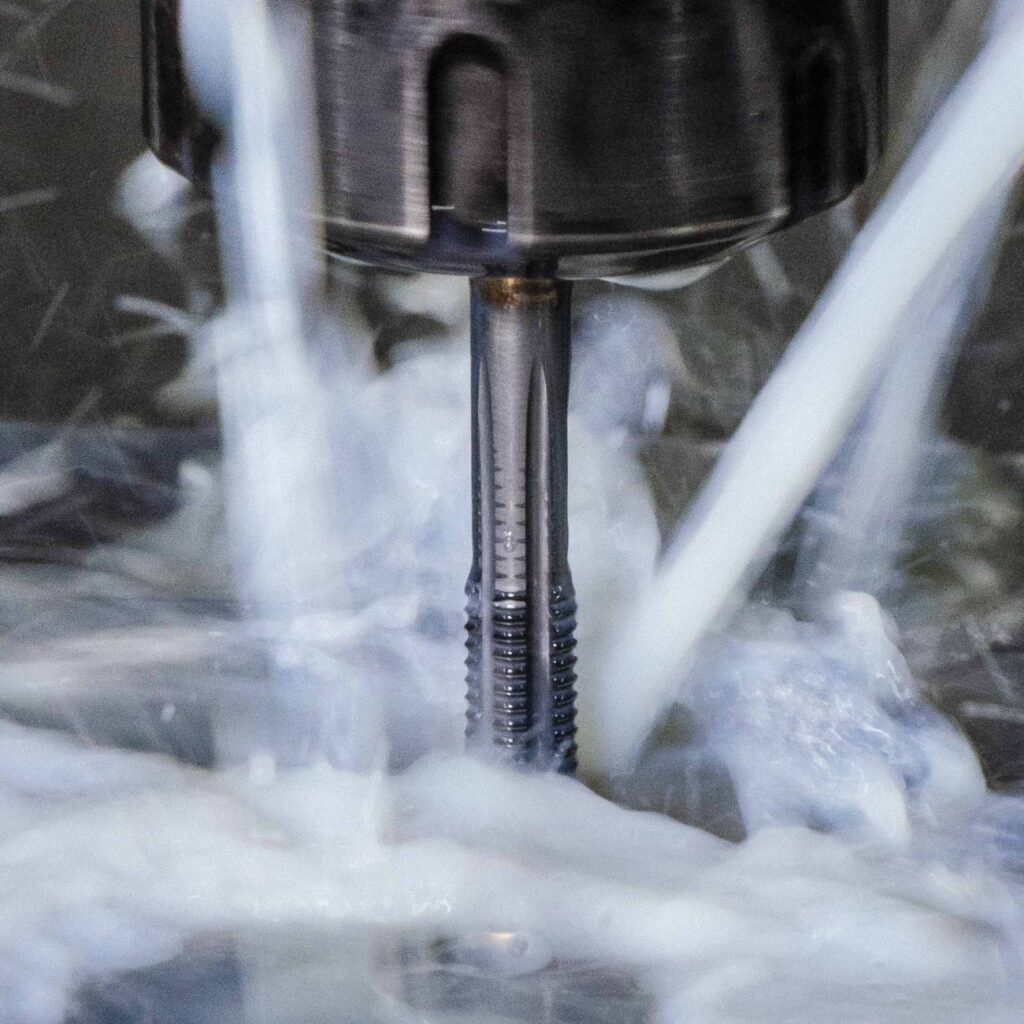
Mineral and Ester-Based Metalworking Fluids Inova S UNI AL LANDOIL
The mineral and ester-based metalworking fluid Inova S UNI AL LANDOIL offers a medium oil content for universal machining, ensuring versatility and efficiency. -
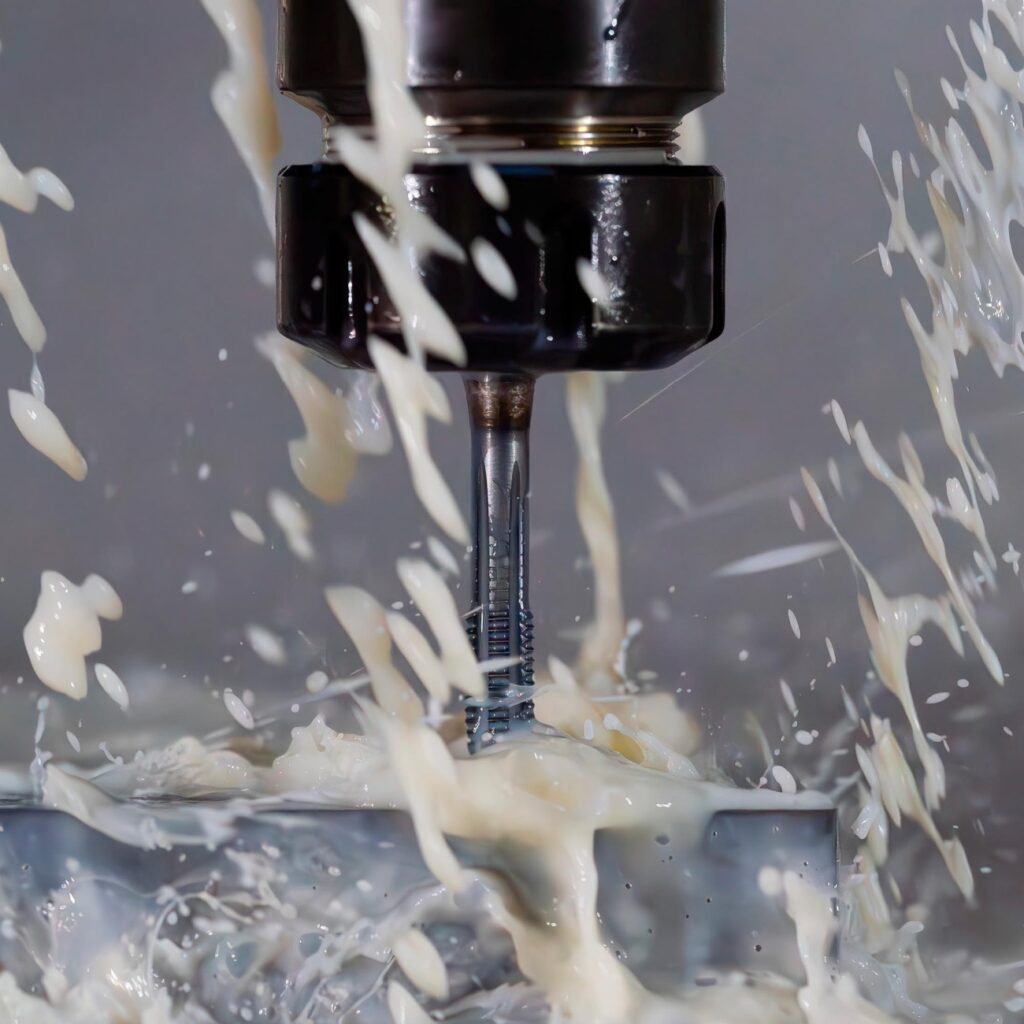
Mineral and Ester-Based Metalworking Fluids Inova S UNI LANDOIL
The mineral and ester-based metalworking fluid Inova S UNI LANDOIL offers a medium oil content for universal machining, ensuring efficiency and versatility.
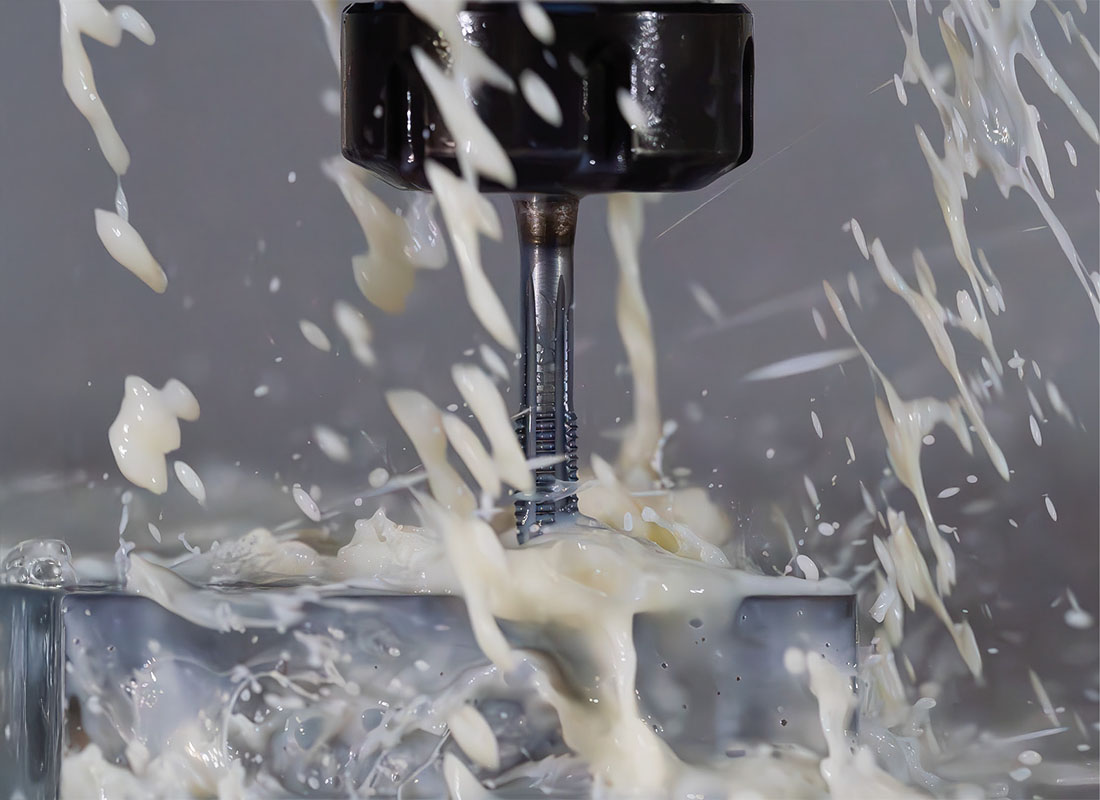
Water miscible mineral- and ester-based metalworking fluids combine
the hydrolytic stability of mineral oil with the high lubricity of ester bases. This synergy offers excellent wear protection, effective cooling and reduced chemical risk, improving workshop safety.
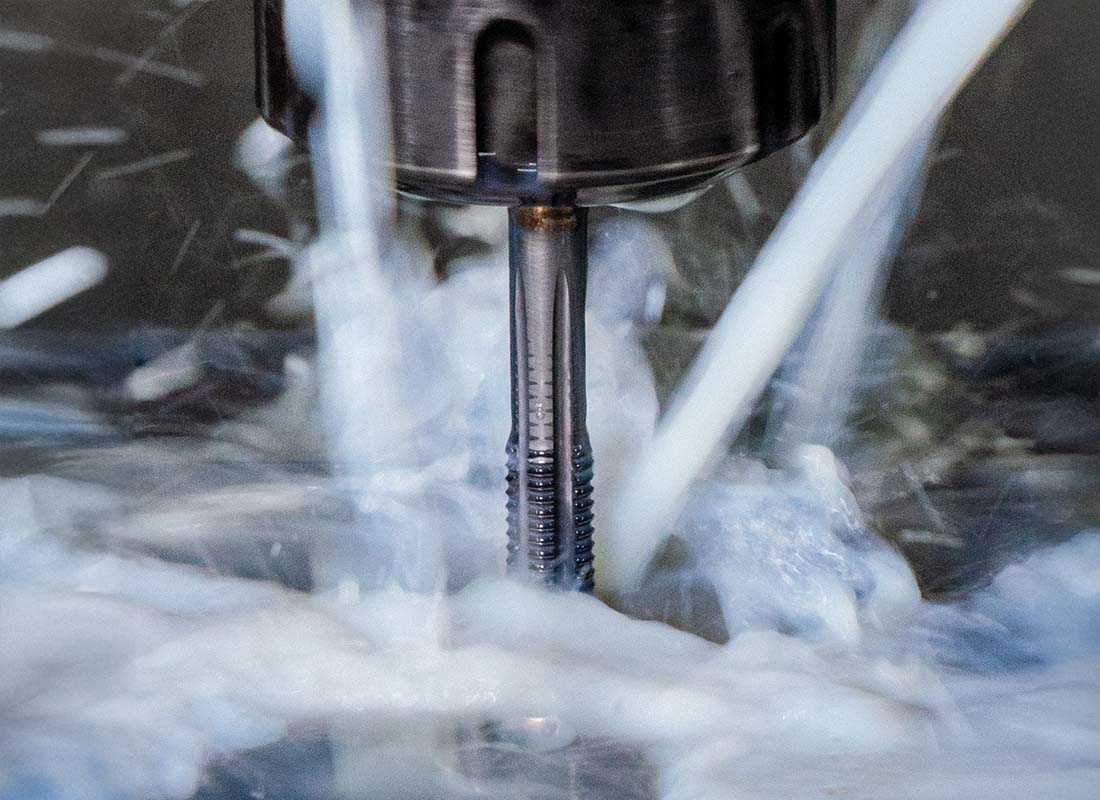
Due to their easy miscibility in water, these metalworking fluids
are simple to use and manage, reducing mist formation and improving air quality in the workplace. The combined use of mineral and ester bases ensures smooth operation and a safer environment, minimising downtime and maintenance costs.
A crucial aspect of achieving these goals is the use of suitable metalworking fluids. Of the various types available on the market, mineral and ester-based water-miscible metalworking fluids are a versatile and highly effective solution. These fluids are designed to improve machine tool performance, reduce tool wear and ensure an optimal surface finish on machined parts.
Composition and FEATURES of water-miscible metalworking fluids with mineral and ester-based bases
Mineral and ester-based water-miscible metalworking fluids are formulated to combine the lubricating properties of mineral oils with the cooling capacity of water. The mineral base provides excellent lubrication, reducing friction between tools and machined materials. The esters, on the other hand, improve the thermal and chemical stability of the fluid, ensuring longer life and consistent performance. These metalworking fluids are usually available as concentrates that must be diluted with water before use, allowing the concentration to be adapted to specific machining needs.
Applications and Use in Machine Shops
The use of water-miscible metalworking fluids with mineral and ester-based bases is particularly popular in machine shops for a wide range of metalworking operations. These fluids are ideal for processes such as turning, milling, drilling and grinding, where it is essential to maintain low machining temperatures and reduce tool wear. The miscibility with water results in a stable emulsion that offers excellent cooling capacity, preventing workpieces from overheating and improving the quality of machined surfaces.
Advantages of using mineral- and ester-based water-miscible metalworking fluids
The use of water-miscible metalworking fluids with mineral and ester-based bases offers numerous advantages for machine shops. Firstly, the superior cooling capacity reduces the risk of thermal deformation in machined parts, ensuring more precise dimensional tolerances. In addition, effective lubrication decreases tool wear, prolonging tool life and reducing replacement costs. These fluids are also known for their ability to improve surface finish, reducing the need for additional polishing or grinding.
Environmental and safety considerations
An important aspect to consider when using water-miscible metalworking fluids is their environmental impact and operator safety. Mineral and ester-based metalworking fluids are designed to be less harmful than other fluid types due to their formulation, which reduces the formation of oily mists and potentially harmful vapours. However, it is essential to follow the manufacturer's guidelines for proper handling and disposal of spent fluids to minimise environmental impact and ensure a safe working environment.
Maintenance and Handling of Metalworking Fluids
To ensure optimal performance and prolong the life of water-miscible metalworking fluids, proper maintenance practices are essential. This includes regular monitoring of fluid concentration, cleaning of tanks and distribution systems, and periodic replacement of spent metalworking fluids. Chemical analysis of the fluid can help identify any contamination or degradation, allowing early intervention to avoid processing problems.
Innovations and future developments in mineral and ester-based metalworking fluids
The metalworking fluid sector is constantly evolving, with new formulations and technologies aiming to further improve performance and environmental sustainability. Current research focuses on optimising lubricant and cooling properties as well as reducing environmental impact through the use of renewable and biodegradable raw materials. Future innovations could lead to even more efficient and safer metalworking fluids, contributing to improved productivity and sustainability in machine shops.
Frequently asked questions about water-miscible metalworking fluids
What are the main advantages of water-miscible metalworking fluids with mineral and ester-based coolants?
The main advantages include improved cooling capacity, reduced tool wear, improved surface finish and reduced environmental impact.
How are mineral- and ester-based water-miscible metalworking fluids properly diluted?
The correct dilution depends on the manufacturer's specifications, but it is generally recommended to mix the concentrate with water in varying proportions according to machining requirements.
What are the most common applications for these ester-based and mineral-based metalworking fluids?
They are commonly used in turning, milling, drilling and grinding operations in metalworking processes.
How are spent metalworking fluids with mineral and ester-based bases disposed of?
It is important to follow local regulations and manufacturer's guidelines for proper disposal to minimise environmental impact.
What are the safety considerations when using these ester-based and mineral-based metalworking fluids?
It is essential to use personal protective equipment and ensure adequate ventilation to reduce exposure to oil mists and vapours.
How is the quality of the metalworking fluid monitored during use?
Quality can be monitored through regular chemical analyses to detect contamination or degradation of the fluid.
What are the future trends in metalworking fluids?
Trends include the development of more sustainable formulations and the use of renewable and biodegradable raw materials.
What is the difference between mineral and ester-based metalworking fluids?
Mineral-based metalworking fluids offer excellent lubrication, while ester-based ones improve thermal and chemical stability.
How can the service life of metalworking fluids be extended?
By adopting proper maintenance practices, such as concentration monitoring and cleaning of distribution systems.
What are the factors to consider when choosing a metalworking fluid?
Important factors include the type of machining, machine tool specifications and environmental considerations.
Over 150 pages of some of the safest products on the market
Download now