


General lubrication oils

In the world of machine shops, lubrication is a crucial element in ensuring the proper functioning of machines and tools. Read more
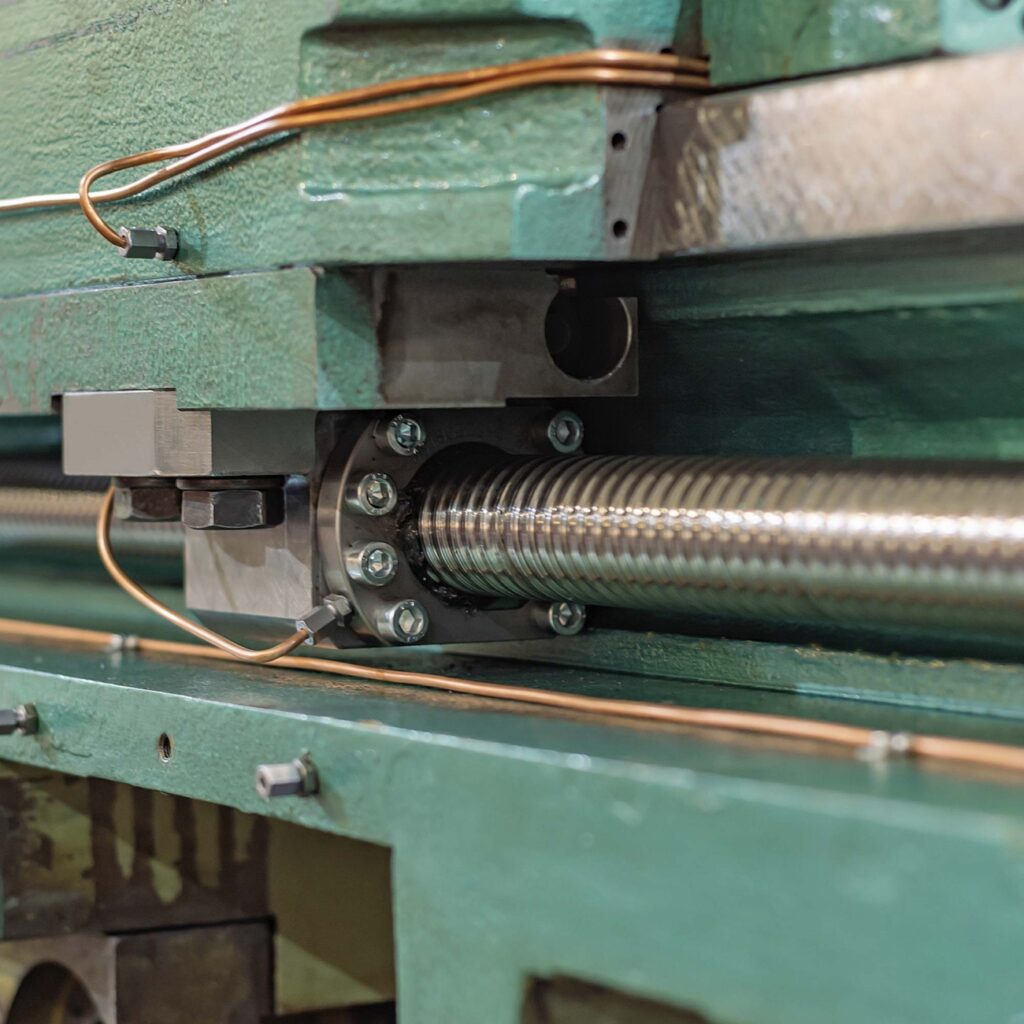
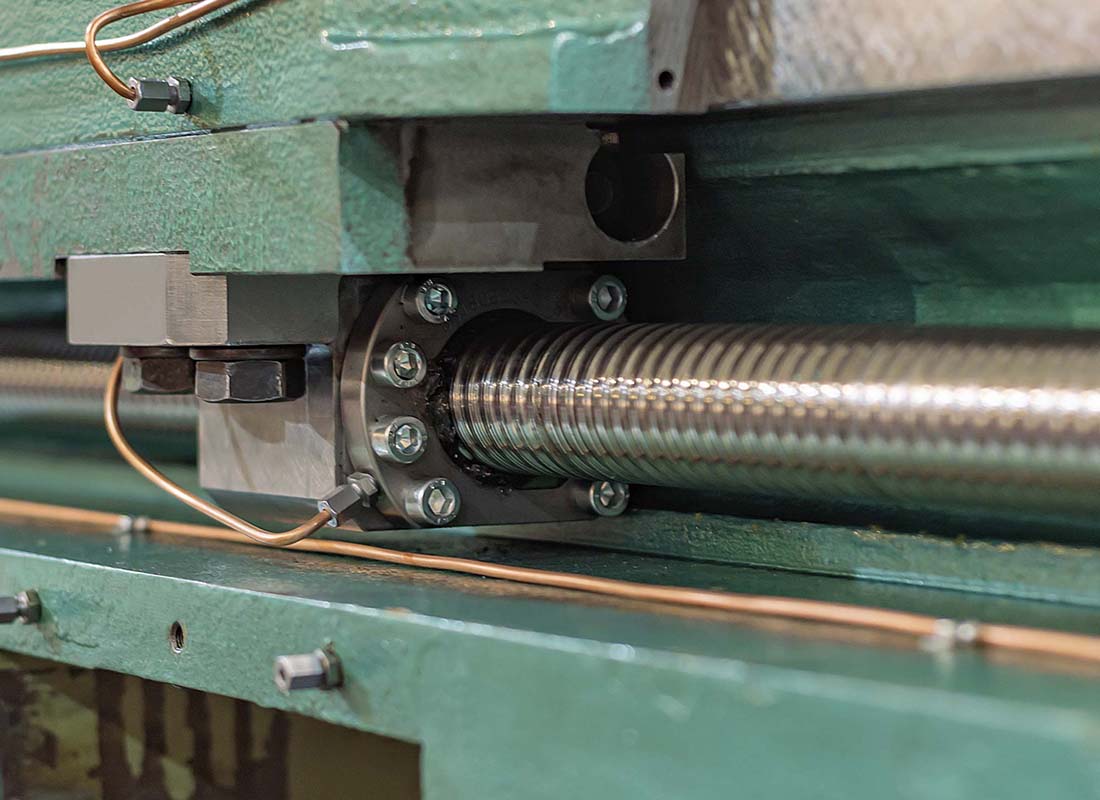
General lubrication oils are versatile fluids designed to provide effective lubrication in various disposable mechanical applications.
They offer good protection against wear and oxidation, reducing friction between moving surfaces and improving the operating efficiency of equipment.
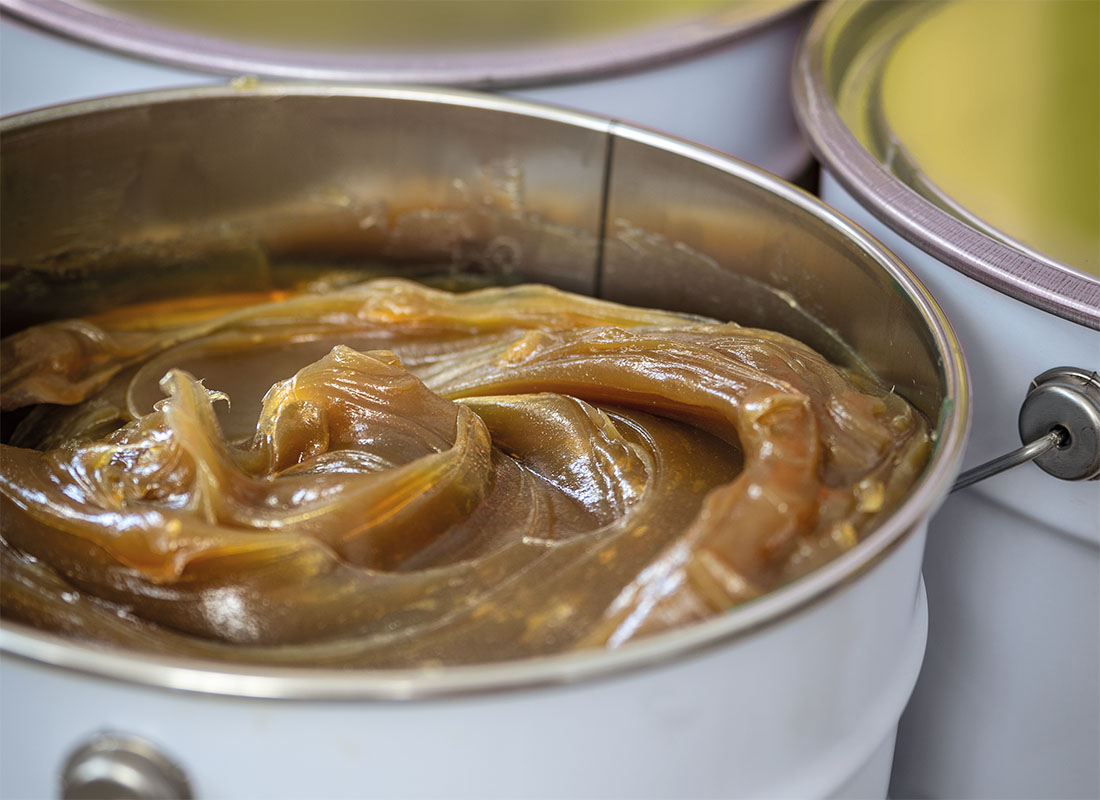
Thanks to their composition, these oils ensure constant and long-lasting lubrication
protecting mechanical components from premature failure. General lubrication oils help maintain machinery in optimal condition, reducing maintenance costs and improving operational safety through their reliability and durability.
General lubrication oils are a key category of products that provide friction reduction, wear protection and optimised equipment performance. In this in-depth look at what general lubrication oils are, what they are used for, how they are used and what benefits they offer.
What are general lubrication oils?
General lubrication oils are fluids designed to reduce friction between moving surfaces within machinery and equipment. These oils are formulated with a combination of base oils and additives that enhance their lubricating properties. Base oils can be of mineral, synthetic or vegetable origin, while additives can include anti-wear agents, antioxidants, corrosion inhibitors and viscosity improvers.
What are general lubrication oils used for?
The main function of general lubrication oils is to reduce friction between moving metal surfaces, thereby minimising wear and the risk of mechanical failure. In addition to this, these oils perform other essential functions, such as dissipating heat generated by friction, protecting against corrosion and removing contaminants and metal particles from lubricated surfaces.
How are general lubrication oils used?
The application of general lubrication oils varies depending on the type of machinery and operating conditions. In general, oil is applied directly onto the surfaces to be lubricated through automatic or manual lubrication systems. It is essential to follow the machinery manufacturer's recommendations regarding the amount and frequency of oil application to ensure effective lubrication and prolong equipment life.
Benefits of using general lubrication oils
The use of general lubrication oils offers numerous advantages, including:
1. Reduced friction and wear: oils form a protective film between metal surfaces, reducing friction and preventing premature wear.
2. Corrosion protection: Additives in the oils help prevent rust and corrosion on metal surfaces.
3. Heat dissipation: Oils absorb and dissipate heat generated by friction, helping to keep operating temperatures within safe limits.
4. Contaminant removal: Oils help remove metal particles and other contaminants from surfaces, keeping contact areas clean.
5. Improved performance: Proper lubrication improves the operational efficiency of machines, reducing energy consumption and increasing productivity.
Frequently asked questions about general lubrication oils
What are the main types of general lubrication oils?
General lubrication oils can be classified into mineral, synthetic and vegetable oils, each with specific properties for different applications.
How do I choose the most suitable general lubrication oil?
The choice of oil depends on the specific needs of the machinery, the operating conditions and the manufacturer's recommendations.
What is the difference between mineral and synthetic oils?
Mineral oils are derived from petroleum, whereas synthetic oils are chemically produced to offer superior performance under extreme conditions.
Are general lubrication oils suitable for all machines?
Not all oils are suitable for all machines. It is important to select the right oil based on the technical specifications of the machine.
How often should general lubrication oils be changed?
The frequency of replacement depends on the operating conditions and the manufacturer's recommendations, but in general, it is advisable to monitor the condition of the oil regularly.
What are the signs of inadequate lubrication?
Abnormal noises, temperature rise and excessive wear are signs of inadequate lubrication.
Are general lubrication oils environmentally friendly?
Synthetic and vegetable oils tend to be more environmentally friendly than mineral oils, but it is important to dispose of them properly to minimise environmental impact.
Is it possible to mix different types of general lubrication oils?
In general, mixing different oils is not recommended, as this could compromise their lubricating properties.
What are the consequences of improper use of general lubrication oils?
Improper use can lead to mechanical failure, premature wear and reduced operating efficiency.
How should general lubrication oils be stored properly?
Oils should be stored in a cool, dry place, away from heat and direct light, to preserve their properties.



Over 150 pages of some of the safest products on the market
Download now