

Industrial vacuums for liquids
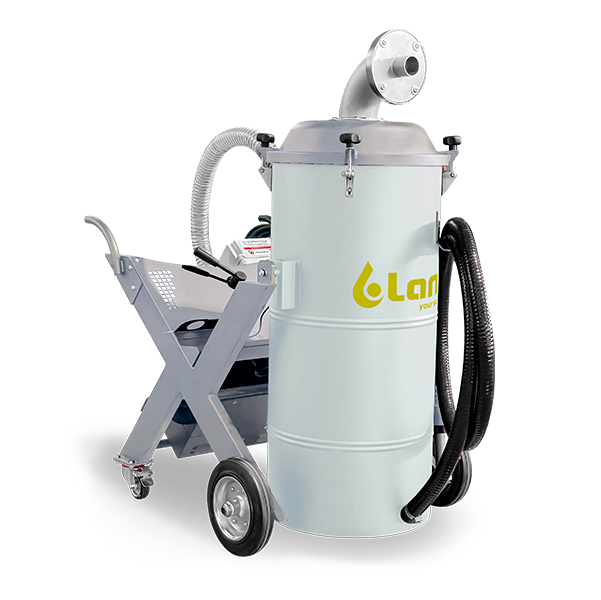
Industrial liquid vacuum cleaners are an essential solution for machine shops and other industrial environments where handling liquids is a daily necessity. Read more
-
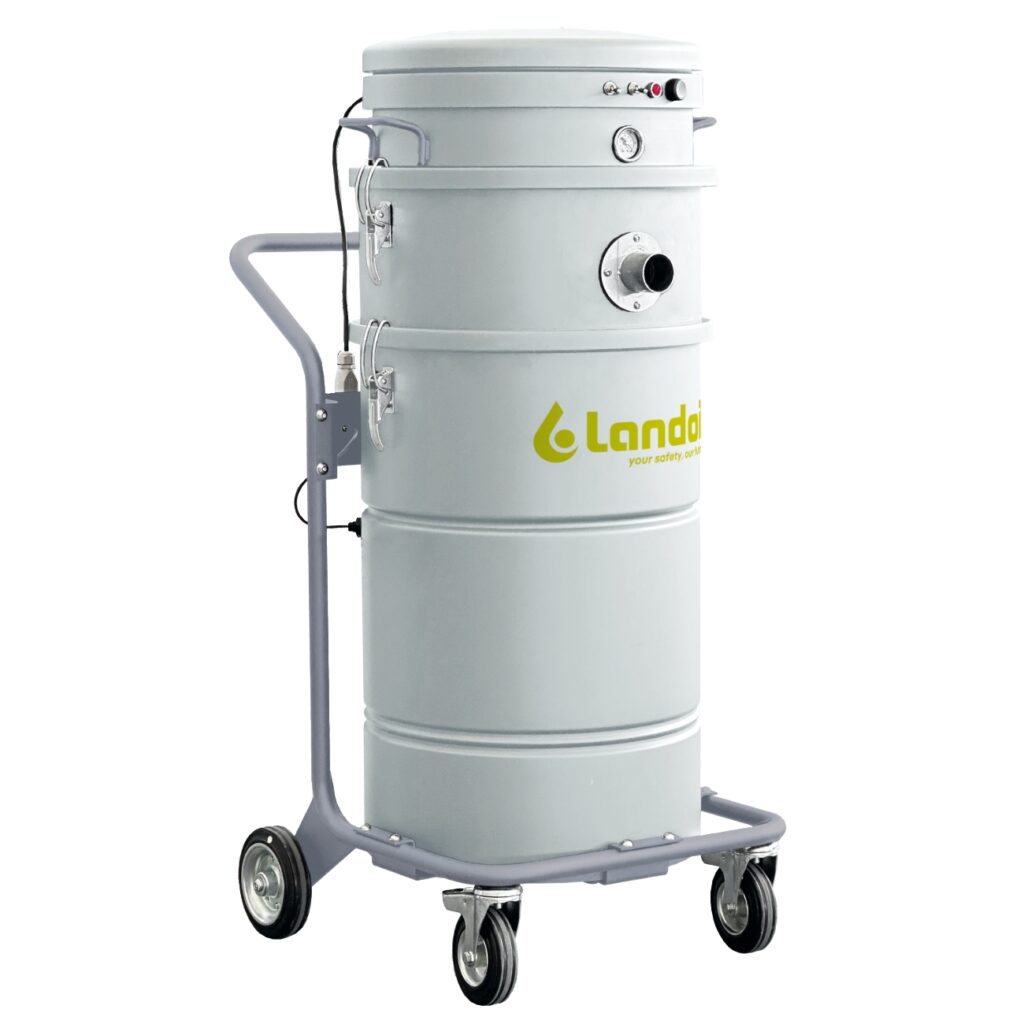
Industrial vacuum cleaner Mini Twist Oil LANDOIL
LANDOIL Mini Twist Oil industrial vacuum cleaner: rapid emptying of the tank requires no operator supervision thanks to the automatic overflow shut-off. -
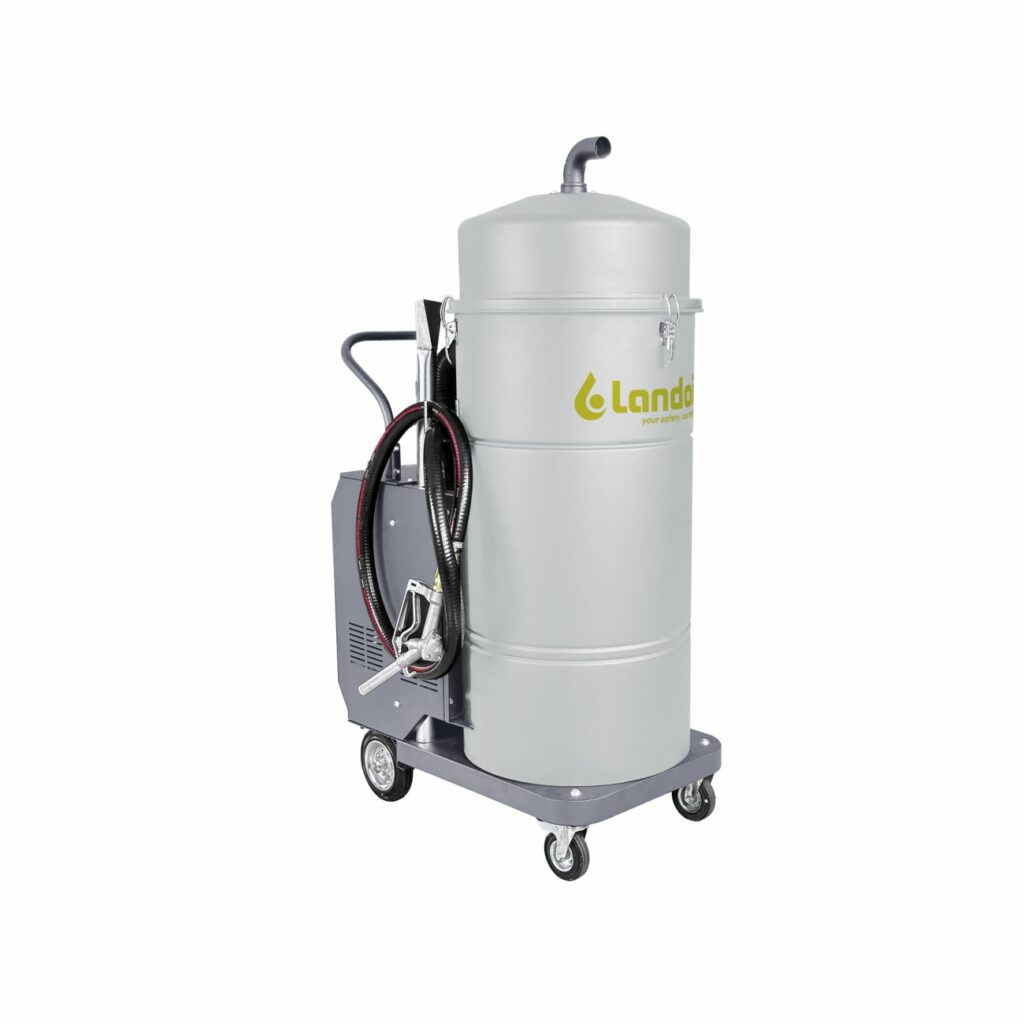
Industrial vacuum cleaner Twist Oil Evo LANDOIL
LANDOIL Twist Oil Evo industrial vacuum cleaner: rapid tank emptying; no operator supervision required thanks to the automatic overflow shut-off. -

Industrial vacuum cleaners Twist Oil LANDOIL
LANDOIL's Twist Oil industrial vacuum cleaners guarantee rapid tank emptying without operator supervision thanks to the automatic overflow stop.
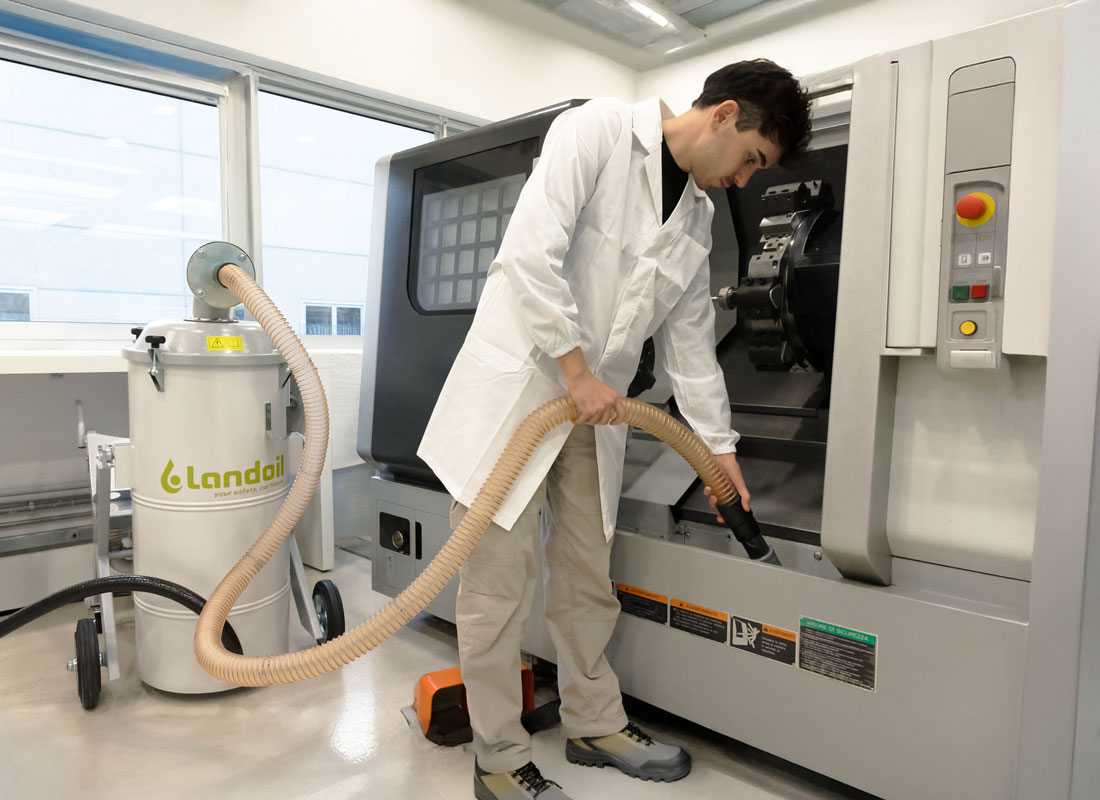
Industrial vacuum cleaners are devices designed to remove dust, liquids, debris and hazardous materials from working environments.
Thanks to their power and filtering capacity, these vacuum cleaners improve operational safety by preventing the build-up of harmful particles and reducing the risk of contamination and damage to machinery.
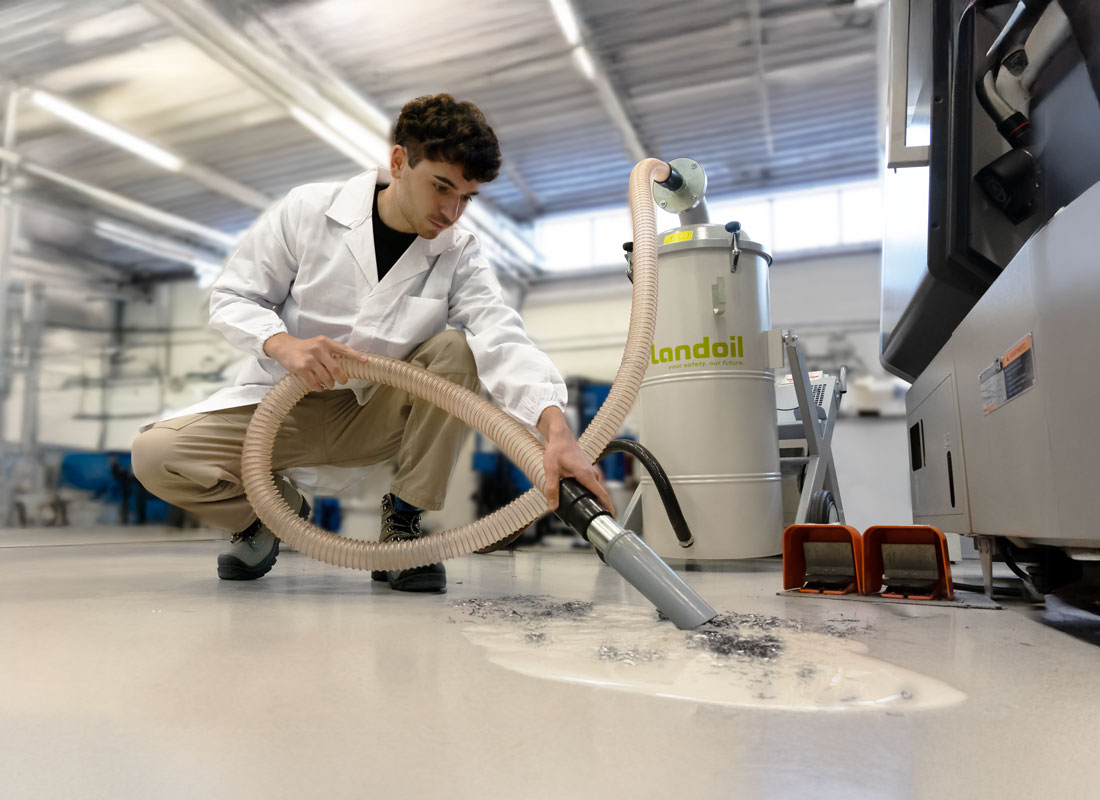
Ideal for a wide range of industrial applications, industrial vacuum cleaners ensure effective cleaning even in difficult conditions.
These tools improve production efficiency and contribute to a safer working environment, reducing the need for maintenance and the risk of occupational diseases related to exposure to contaminated dust and liquids.
These devices are designed to meet the challenges of collecting, transporting and disposing of various types of liquids while ensuring efficiency and safety. In this article, we will explore in detail what industrial liquid vacuum cleaners are, how they work, their benefits and best practices for their use.
What are industrial vacuum cleaners for liquids?
Industrial liquid vacuum cleaners are machines designed to suck and collect liquids from surfaces and containers. These devices are equipped with powerful motors and advanced filtration systems to handle a wide range of liquids, including oils, water, solvents and other industrial fluids. Their robust construction and corrosion-resistant materials make them ideal for use in harsh industrial environments.
Applications of industrial vacuum cleaners for liquids
Industrial vacuum cleaners for liquids find applications in a variety of sectors. In machine shops, they are used for cleaning machinery and floors, collecting waste oil and handling accidental spills. They are also used in the chemical industry for solvent recovery and liquid waste management. Their versatility makes them indispensable tools for ensuring a safe and clean working environment.
How industrial vacuum cleaners for liquids work
The operation of industrial liquid vacuum cleaners is based on a suction system that creates a vacuum inside the tank, allowing the liquid to be sucked in through a hose. Once collected, the liquid is stored in the vacuum's tank, which can be easily emptied once full. Some models are equipped with filtration systems that separate solids from liquids, allowing for more efficient fluid re-use.
Advantages of using industrial vacuum cleaners for liquids
The use of industrial vacuum cleaners for liquids offers several advantages. Firstly, they improve operational efficiency by reducing the time needed for cleaning and handling liquids. Furthermore, they help maintain a safe working environment by preventing liquid spillage accidents. Their ability to handle large volumes of liquids makes them ideal for large-scale industrial applications. Finally, the use of industrial vacuum cleaners for liquids can reduce operating costs due to the possibility of recovering and reusing fluids.
A guide to using industrial wet vacuums
To get the most out of industrial liquid vacuum cleaners, it is important to follow a few guidelines. First of all, it is essential to choose the right model based on the specific needs of the application. It is important to consider tank capacity, motor power and the type of liquids to be handled. In addition, it is essential to follow the manufacturer's instructions for use and maintenance to ensure optimal performance and long device life.
Maintenance of industrial vacuum cleaners for liquids
Regular maintenance of industrial liquid vacuum cleaners is crucial to ensure their efficiency and longevity. It is important to regularly clean the tank and filters to avoid the accumulation of residues that could impair performance. It is also advisable to periodically check seals and connections to prevent leaks. Finally, it is essential to replace worn or damaged components to keep the vacuum cleaner in optimal condition.
Frequently asked questions about industrial vacuum cleaners for liquids
What types of liquids can be vacuumed with these devices?
Industrial liquid vacuum cleaners can handle a wide range of fluids, including oils, water, solvents and other industrial liquids.
Can an industrial vacuum cleaner for liquids be used to collect solids?
Some models are equipped with filtration systems to separate solids from liquids, allowing both to be collected.
What is the average capacity of an industrial vacuum cleaner for liquids?
The capacity varies depending on the model, but is up to 200 litres.
Are industrial vacuum cleaners for liquids suitable for use in hazardous environments?
Yes, many models are designed for use in hazardous environments, thanks to corrosion-resistant materials and advanced safety systems.
How is the tank of an industrial vacuum cleaner for liquids emptied?
The tank can be emptied manually or via an integrated discharge system, depending on the model.
What are the main advantages of industrial wet vacuums over traditional cleaning methods?
They offer greater efficiency, safety and ability to handle large volumes of liquids than traditional methods.
Is specific training required to use an industrial liquid vacuum cleaner?
Although no formal training is required, it is important to follow the manufacturer's instructions for safe and effective use.
Can industrial liquid vacuum cleaners be used outdoors?
Yes, many models are designed to be used both indoors and outdoors, provided they are protected from the weather.
What are the main features to consider when purchasing an industrial vacuum cleaner for liquids?
It is important to consider tank capacity, motor power, the type of liquids to be handled and safety features.
How is an industrial vacuum cleaner for liquids maintained?
Maintenance includes regular cleaning of the tank and filters, checking seals and connections, and replacing worn parts.
Over 150 pages of some of the safest products on the market
Download now