

Mineral based neat cutting and grinding oils
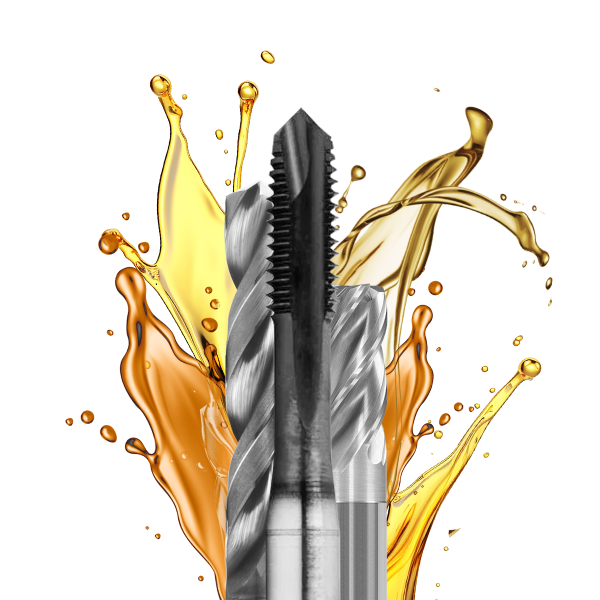
In the world of machine shops, efficiency and precision are key elements in ensuring the quality of the work performed. Read more
-
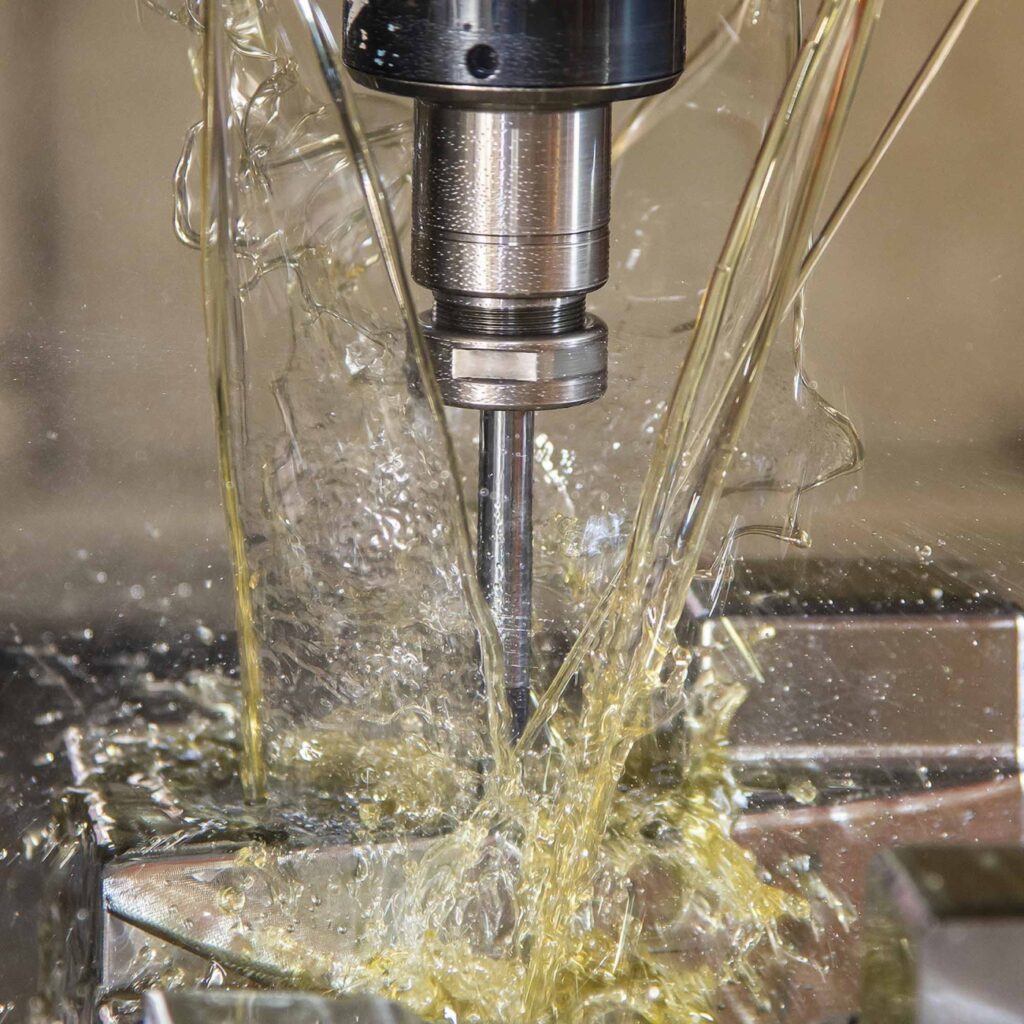
Neat cutting oil Millfluid 5 LANDOIL
LANDOIL Millfluid 5 neat cutting oil with excellent skin compatibility, maintains lubricating film even under high loads, stable and low evaporation. -
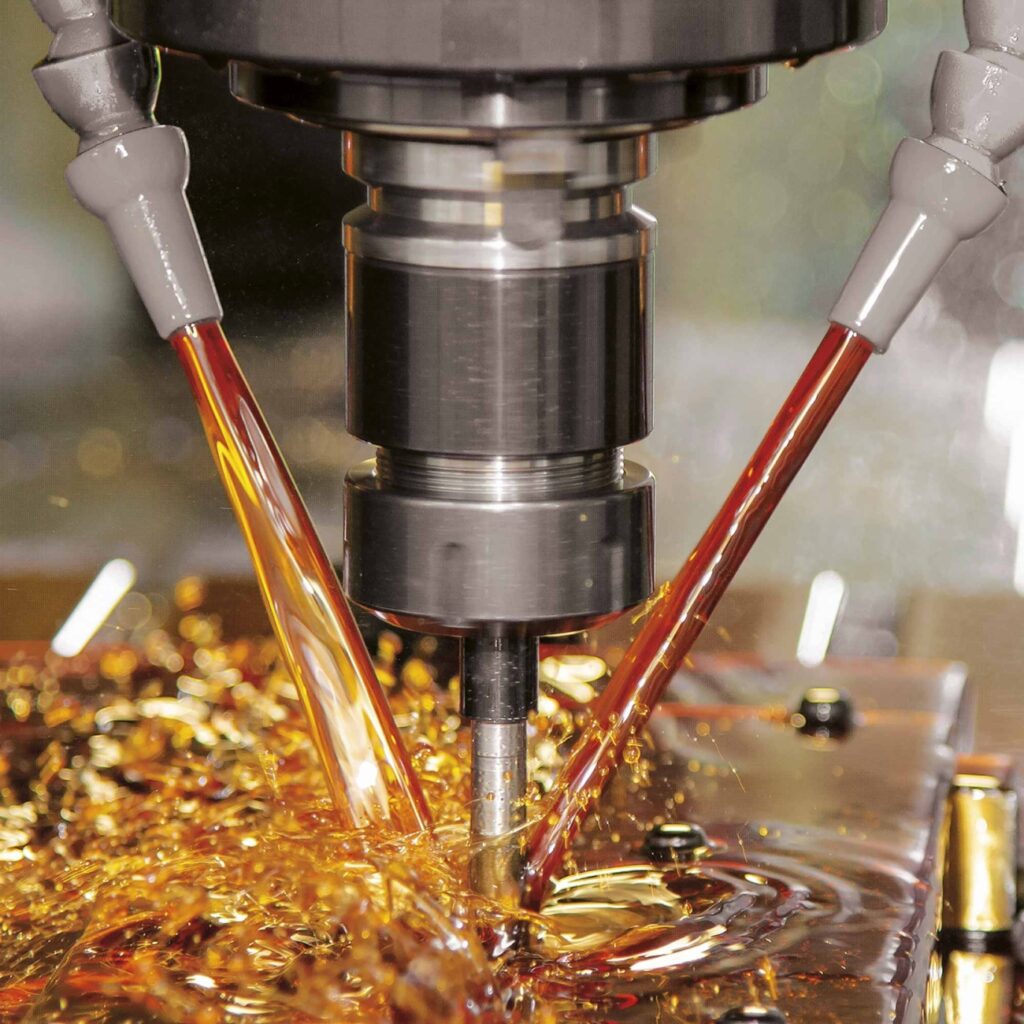
Neat cutting oil Millfluid MF LANDOIL
Millfluid MF LANDOIL whole cutting oil offers high lubricating and anti-corrosive power, limited mist and fume formation, low foaming tendency.
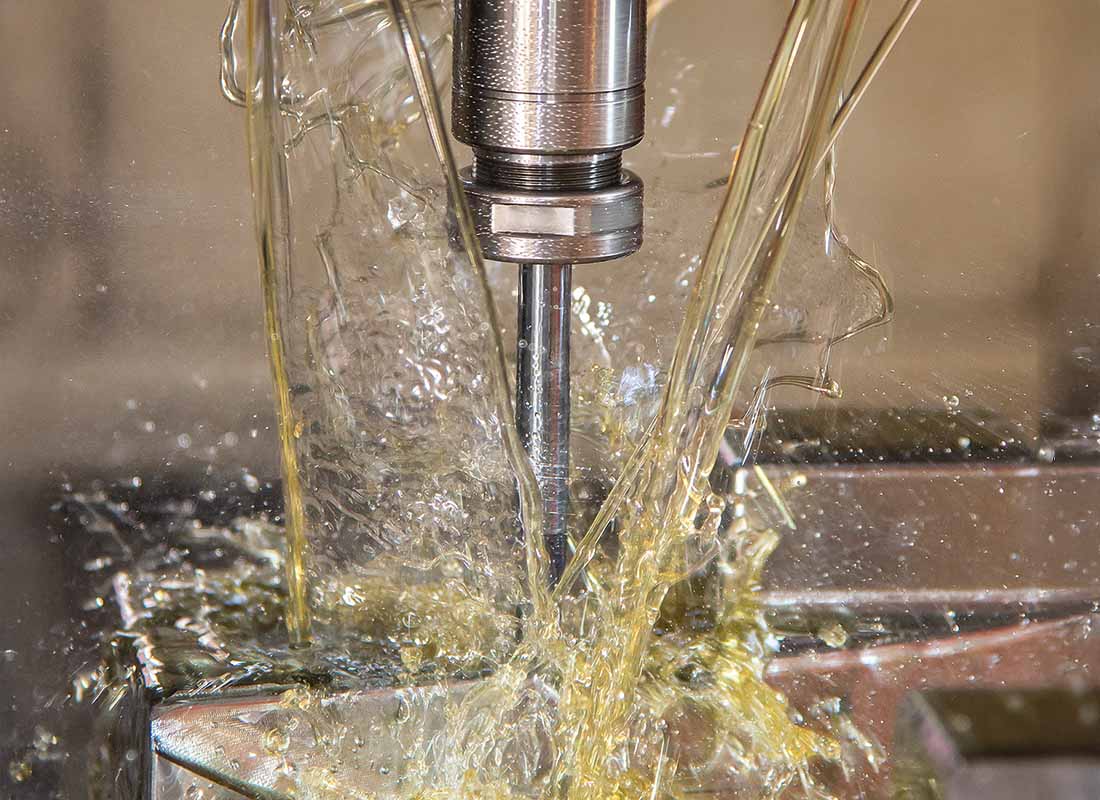
Mineral base cutting oils are used to improve cutting and machining performance.
Mineral bases offer excellent anti-wear properties and stable lubrication, ensuring efficient operation and reducing the risk of tool failure for safer production.
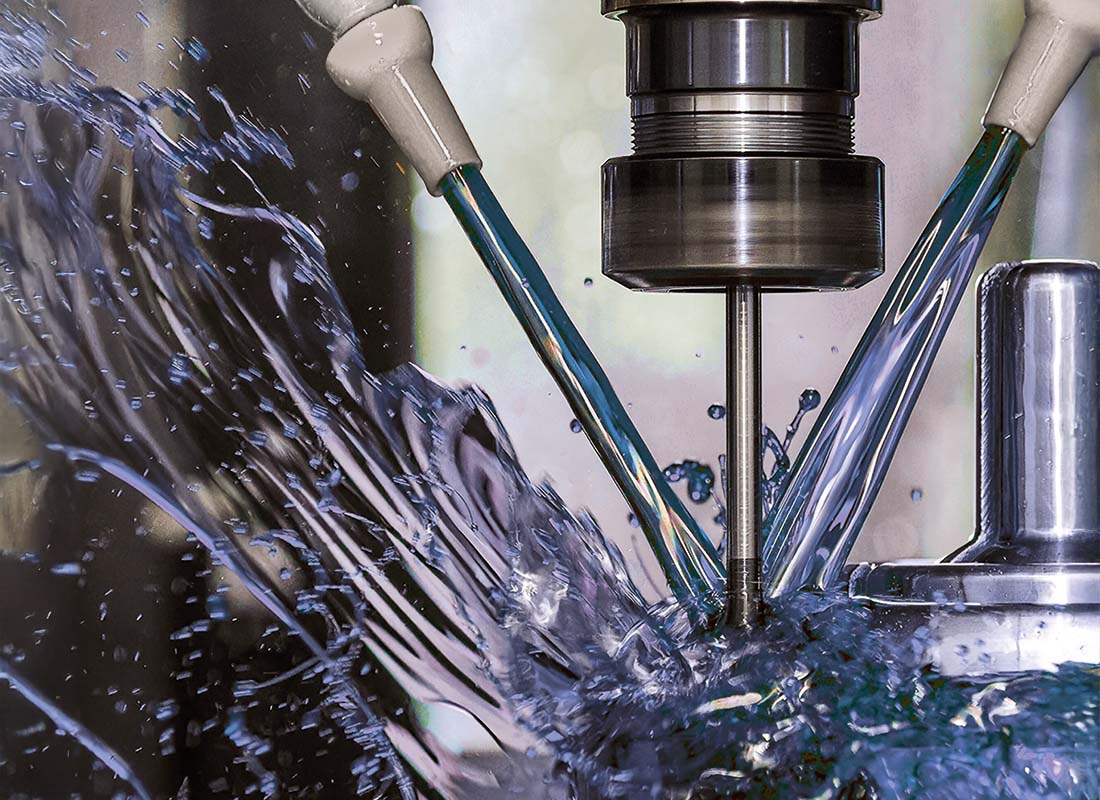
The use of mineral based oils is ideal for processes that require constant and reliable lubrication.
These oils keep the tool life high and allow you to maintain high machining standards, reducing downtime. They also contribute to a safer working environment, minimizing operational risks due to their chemical stability.
Mineral-based neat cutting oils are an essential component in optimising metalworking processes. Due to their unique properties, these lubricants offer a number of benefits that improve machine tool performance and extend tool life.
Mineral-based neat cutting oils are formulated to withstand the high temperatures and pressures generated during metal cutting and machining operations. Their mineral-based composition ensures effective lubrication, reducing friction between the tool and workpiece. This not only improves surface finish quality, but also helps reduce tool wear, lowering maintenance and replacement costs.
Features and composition of neat cutting oils with mineral bases
Mineral-based neat cutting oils are mainly composed of refined mineral oils, to which specific additives are added to improve their performance. These additives may include anti-wear agents, antioxidants, corrosion inhibitors and viscosity-enhancing agents. The combination of these components gives neat cutting oils a number of properties that make them ideal for mechanical applications.
One of the main FEATURES of these oils is their ability to form a resistant lubricating film that protects metal surfaces from wear and corrosion. In addition, their thermal stability allows them to maintain performance even at high temperatures, reducing the risk of oxidation and lubricant degradation.
Applications of neat cutting oils with mineral bases in machine shops
Mineral-based neat cutting oils are used in a wide range of applications in machine shops. They are particularly suitable for turning, milling, drilling and grinding operations, where lubrication and cooling are essential for optimal results.
When turning, for example, cutting oil reduces friction between the tool and the workpiece, improving the quality of the machined surface and prolonging tool life. In milling, oil helps dissipate the heat generated by friction, preventing overheating and deformation of the workpiece.
In drilling operations, the use of mineral-based neat cutting oils facilitates chip removal, reducing the risk of jamming and improving hole accuracy. Finally, in grinding, cutting oil helps keep the temperature under control, ensuring a high quality surface finish.
Advantages of using mineral-based neat cutting oils
The adoption of neat cutting oils with mineral bases in machine shops offers numerous advantages. Firstly, their ability to reduce friction and tool wear results in longer tool life, which in turn reduces maintenance and replacement costs.
Furthermore, the effective lubrication provided by these oils improves the quality of the surface finish of machined parts, reducing the need for further finishing operations. This translates into time and resource savings, increasing the overall efficiency of the production process.
Another significant advantage is the ability of mineral-based neat cutting oils to prevent corrosion of metal surfaces, protecting machine tools and machined parts from the damaging effects of moisture and chemicals.
How to choose the most suitable mineral-based neat cutting oil
The choice of the most suitable neat cutting oil with mineral bases depends on several factors, including the type of machining, workpiece material and operating conditions. It is important to consider the viscosity of the oil, which must be adequate to ensure effective lubrication without compromising machining precision.
Furthermore, it is crucial to assess the compatibility of the oil with the materials being machined and the machine tools being used. Some oils may contain additives that could react with certain metals or materials, causing corrosion or wear problems.
Finally, it is advisable to choose an oil that offers good thermal stability and resistance to oxidation to ensure consistent performance even under difficult operating conditions.
Frequently asked questions on mineral-based neat cutting oils
What are the main advantages of neat cutting oils with mineral bases?
Mineral-based neat cutting oils offer advantages such as reduced friction, protection against wear and corrosion, and improved surface finish quality.
How do neat cutting oils with mineral bases differ from synthetic oils?
Neat cutting oils with mineral bases are formulated with refined mineral oils, while synthetic oils are chemically produced. The former offer good lubrication at a lower cost, while the latter can offer superior performance in extreme conditions.
What factors to consider when choosing a mineral-based neat cutting oil?
It is important to consider viscosity, compatibility with machined materials and machine tools, and the thermal stability of the oil.
Are mineral-based neat cutting oils suitable for all machining operations?
Yes, they are suitable for a wide range of machining operations, including turning, milling, drilling and grinding, due to their ability to reduce friction and dissipate heat.
How does the use of mineral-based neat cutting oils affect tool life?
The use of these oils reduces tool wear, prolonging tool life and reducing maintenance and replacement costs.
What is the environmental impact of neat cutting oils with mineral bases?
Mineral-based neat cutting oils can have an environmental impact if not handled properly. It is important to dispose of them in accordance with local regulations.
Can neat cutting oils with mineral bases be mixed with other lubricants?
In general, it is not recommended to mix different oils, as this may impair the performance of the lubricant and cause compatibility problems.
What are the alternatives to neat cutting oils with mineral bases?
Alternatives include synthetic oils and water-based lubricants, which may offer superior performance in certain applications.
How are neat cutting oils with mineral bases stored properly?
Oils should be stored in sealed containers, away from heat and direct light, to prevent degradation and oxidation.
What are the signs that neat cutting oil with mineral bases needs to be replaced?
Signs such as loss of viscosity, foaming or the presence of contaminants indicate that the oil may need to be replaced.



Over 150 pages of some of the safest products on the market
Download now