


Neat cutting and grinding oils
In the world of machine shops, efficiency and precision are key elements in ensuring the quality of the end product. Read more
Whole cutting oils are non-miscible lubricants that offer high chemical and thermal stability in machining operations.
Due to their composition, they reduce friction and tool wear, improving cutting quality and extending tool life. Ideal for high-performance processes.
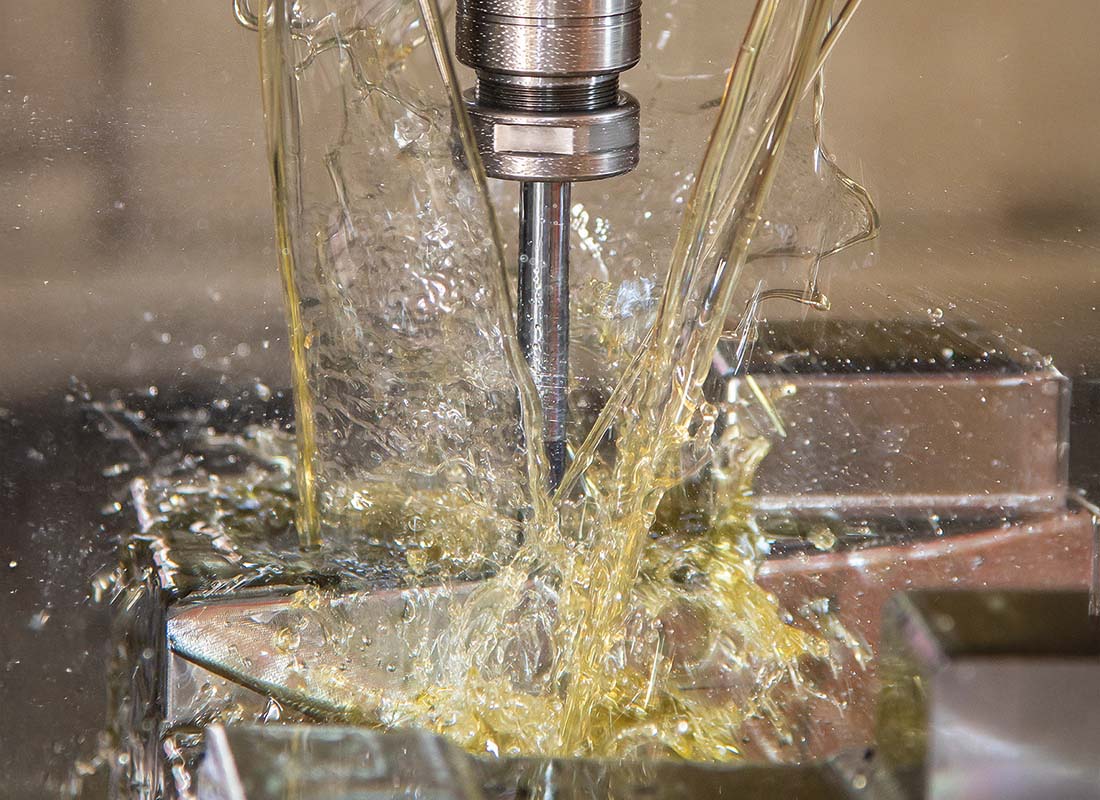
The use of whole cutting oils ensures constant lubrication even under the harshest operating conditions.
These oils provide reliable protection against overheating and tool seizure, improving operational safety and reducing maintenance and tool replacement costs.
Neat cutting oils are an essential component in this context, offering advanced solutions to improve metal cutting and machining operations. These oils, known for their lubricating and cooling properties, are designed to optimise the performance of machine tools, reducing tool wear and improving the surface finish of machined parts.
What are neat cutting oils?
Neat cutting oils are lubricating fluids used in metalworking processes. Unlike emulsifiable oils, which are mixed with water, whole oils are used in their pure form. Features make them particularly suitable for applications requiring intensive lubrication and superior wear protection. Neat cutting oils are formulated with mineral or synthetic base oils and may contain specific additives to improve their lubricating, antioxidant and anti-wear properties.
What are neat cutting oils used for?
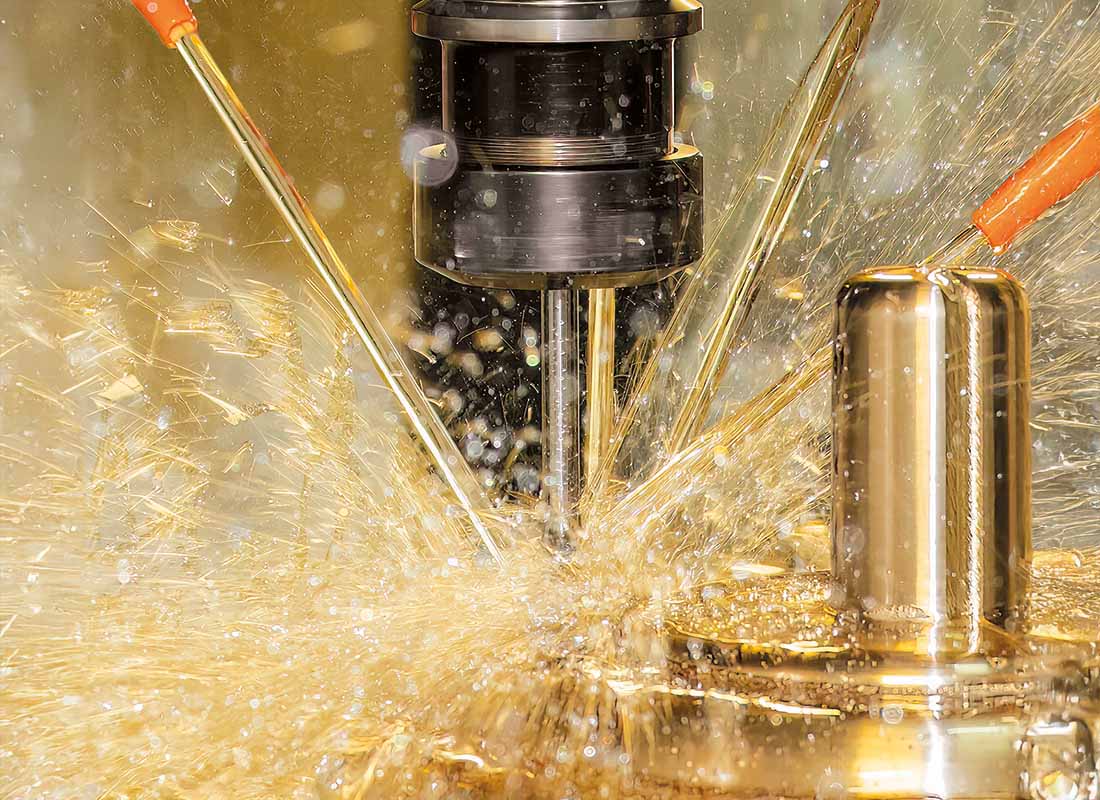
Neat cutting oils play a crucial role in various machining operations, such as turning, milling, drilling and grinding. Their main function is to reduce friction between the tool and the workpiece, thus minimising tool wear and prolonging tool life. In addition, these oils help dissipate the heat generated during the cutting process, preventing overheating and ensuring greater dimensional stability of the workpiece.
How are neat cutting oils used?
The application of neat cutting oils varies depending on the type of machining and the specific needs of the workshop. In general, these oils are applied directly on the cutting area through centralised or manual lubrication systems. It is important to select the right oil according to the material to be processed and the type of operation, as an inappropriate choice could compromise the performance and quality of the end product. Furthermore, it is crucial to regularly monitor the condition of the oil to ensure that it maintains its lubricating and cooling properties over time.
Advantages of using neat cutting oils
The use of neat cutting oils offers numerous advantages for machine shops. Firstly, they improve the quality of the surface finish of machined parts, reducing the formation of burrs and imperfections. In addition, they help extend tool life, reducing maintenance and replacement costs. Neat cutting oils also improve the energy efficiency of machine tools by reducing energy consumption through reduced friction. Finally, these oils offer superior protection against corrosion, preserving the integrity of metal components.
Frequently asked questions about neat cutting oils
What are the main components of neat cutting oils?
Neat cutting oils are mainly composed of mineral or synthetic base oils enriched with specific additives to improve their lubricating, antioxidant and anti-wear properties.
What is the difference between neat cutting oils and emulsifiable oils?
The main difference lies in the composition: whole oils are used in their pure form, while emulsifiable oils are mixed with water to form an emulsion.
How to choose the most suitable neat cutting oil?
The choice of neat cutting oil depends on the type of material to be processed, the type of operation and the specific requirements of the workshop. It is important to consult the product data sheets to make an informed choice.
Are neat cutting oils suitable for all machining operations?
Neat cutting oils are particularly suitable for operations that require intensive lubrication and superior wear protection, but they are not suitable for all machining operations. It is important to assess the specific needs of each operation.
What are the risks associated with the use of neat cutting oils?
Improper use of neat cutting oils can lead to health and safety risks, such as skin irritation or respiratory problems. It is important to follow safety guidelines and use appropriate protective equipment.
How should neat cutting oils be disposed of?
Used neat cutting oils must be disposed of according to local hazardous waste regulations. It is important to contact a specialised company for proper disposal.
Are neat cutting oils compatible with all materials?
Neat cutting oils are compatible with most metal materials, but it is important to check compatibility with specific materials to avoid unwanted reactions.
What are the alternatives to neat cutting oils?
Alternatives to neat cutting oils include emulsifiable oils and synthetic fluids, which may be more suitable for certain applications or operating conditions.
How is the condition of neat cutting oils monitored?
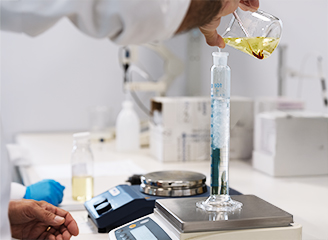
The condition of neat cutting oils can be monitored through periodic analyses that assess viscosity, the presence of contaminants and lubricating properties.
What are the future trends in neat cutting oils?
Future trends include the development of more environmentally friendly and sustainable whole cutting oils with a focus on reducing environmental impact and increasing energy efficiency.


Over 150 pages of some of the safest products on the market
Download now