


Lubricants for industry
In the world of machine shops and manufacturing industries, lubricants for industry play a crucial role. Read more

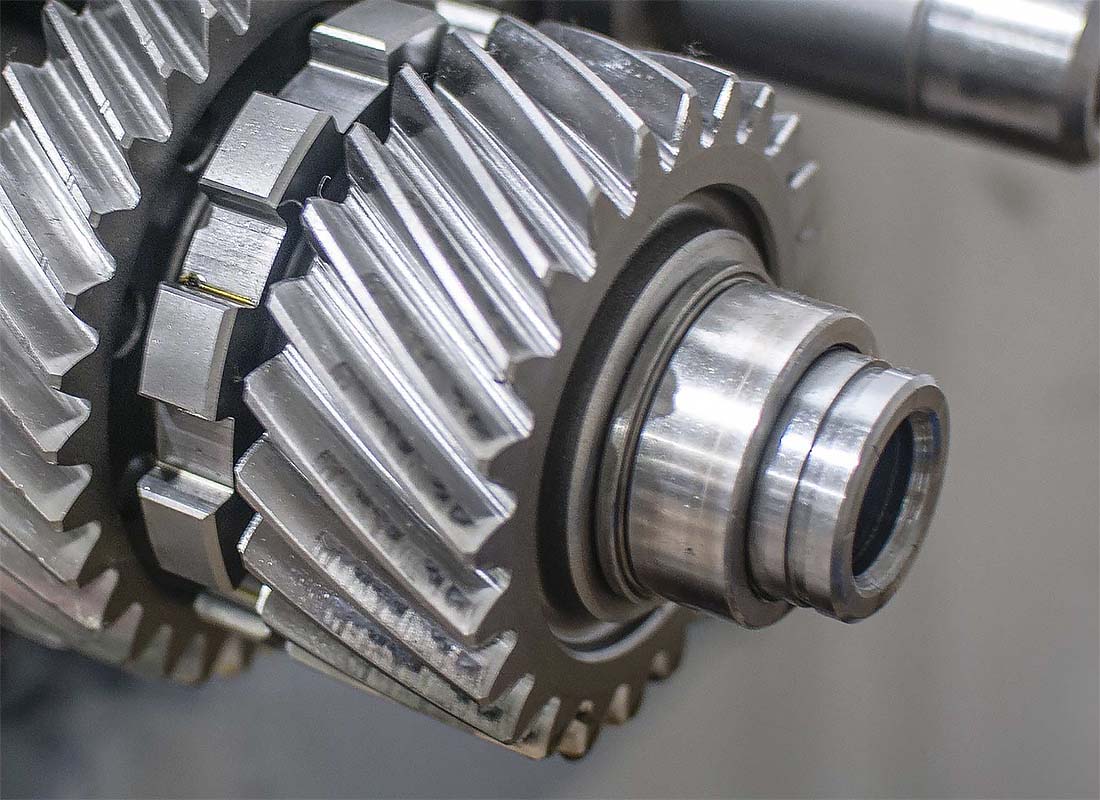
Industrial lubricants are formulated to provide effective lubrication in a wide range of industrial applications.
Thanks to their advanced properties, they reduce friction and wear, improving operating efficiency and extending the life of machinery. Ideal for heavy and continuous working conditions.
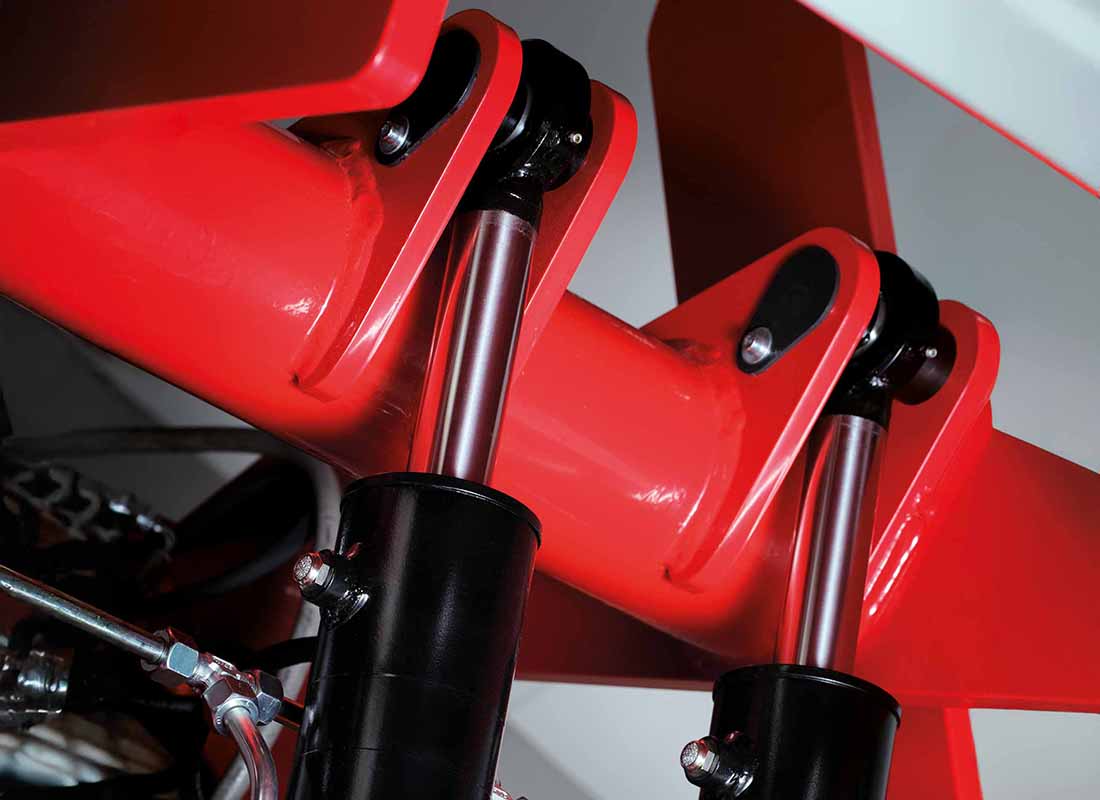
The use of high-quality industrial lubricants ensures reliable protection
against corrosion and mechanical failure, reducing maintenance costs and downtime. These lubricants maintain high performance even under heavy loads and extreme temperatures, contributing to a safe and efficient working environment.
These products not only ensure the proper functioning of machines, but also extend their service life, reducing maintenance costs and improving operational efficiency. In this in-depth look, we will explore in detail what industrial lubricants are, what they are used for, how they are used and what benefits they offer.
What are industrial lubricants?
Industrial lubricants are substances used to reduce friction between mutually moving surfaces. These products can be liquid, solid or semi-solid and are formulated to withstand extreme operating conditions, such as high temperatures, high pressures and corrosive environments. Industrial lubricants are composed of base oils and additives that enhance their properties, such as oxidation resistance, corrosion protection and ability to withstand heavy loads.
What are industrial lubricants used for?
Industrial lubricants serve multiple purposes. First of all, they reduce friction between the moving parts of machines, minimising wear and the risk of mechanical failure. They also help dissipate heat generated during operation, preventing components from overheating. Lubricants also protect metal surfaces from corrosion and oxidation, prolonging equipment life. Finally, they help keep surfaces clean by removing dirt particles and debris that could cause damage.
How are industrial lubricants used?
The correct application of industrial lubricants is crucial to obtain maximum benefits. First of all, it is essential to choose the right type of lubricant for your specific operational needs. This depends on various factors, such as the type of machine, environmental conditions and workload. Once the appropriate lubricant has been selected, it is important to apply it in the right quantities and at the critical points of the machines. Application can be done manually or through automatic lubrication systems, which ensure even and continuous distribution of the product.
Benefits of using industrial lubricants
The use of industrial lubricants offers numerous advantages. Firstly, it improves the operational efficiency of machines, reducing energy consumption and maintenance downtime. In addition, regular use of quality lubricants can extend equipment life, reducing replacement and repair costs. Lubricants also help improve safety at work by reducing the risk of sudden breakdowns and accidents. Finally, the use of environmentally friendly and biodegradable lubricants can reduce the environmental impact of industrial operations.
Frequently asked questions about industrial lubricants
What are the main types of industrial lubricants?
The main types of industrial lubricants include mineral oils, synthetic oils, greases and solid lubricants such as graphite and PTFE.
How do I choose the right lubricant for my machine?
Choosing the right lubricant depends on several factors, including the type of machine, operating conditions and manufacturer's specifications.
What is the difference between mineral oils and synthetic oils?
Mineral oils are derived from petroleum, whereas synthetic oils are chemically produced to offer superior performance under extreme conditions.
How often should I change the lubricant in my equipment?
The frequency of lubricant change depends on the manufacturer's recommendations and operating conditions, but in general, regular checks are advisable.
Are industrial lubricants harmful to the environment?
Some lubricants can be harmful to the environment, but there are environmentally friendly and biodegradable options that reduce the environmental impact.
Can I mix different types of lubricants?
In general, it is not recommended to mix different types of lubricants, as they may react with each other and impair performance.
What are the signs that the lubricant needs to be changed?
Signs such as abnormal noises, overheating and increased wear may indicate the need to replace the lubricant.
How can I dispose of used lubricants properly?
Used lubricants must be disposed of according to local regulations, often through authorised collection centres.
What are the advantages of synthetic lubricants over mineral lubricants?
Synthetic lubricants offer greater thermal stability, better resistance to oxidation and a longer service life than mineral oils.
Are there lubricants specifically for extreme conditions?
Yes, there are lubricants specially formulated to withstand extreme conditions of temperature, pressure and corrosive environment.

Over 150 pages of some of the safest products on the market
Download now