


Oil skimmers
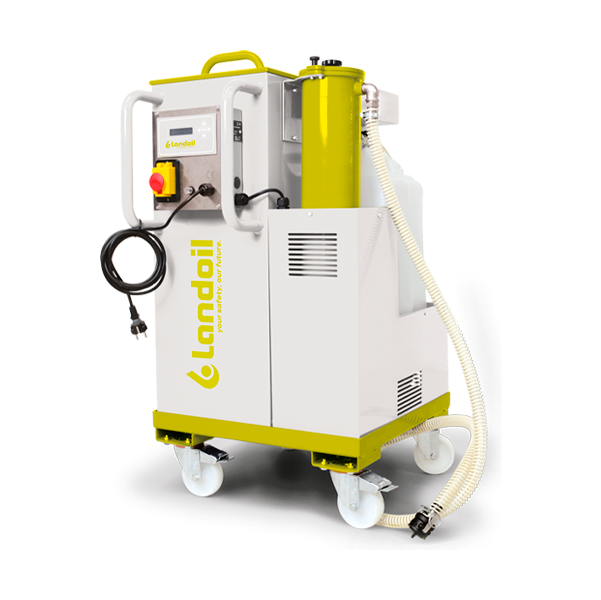
In the context of machine shops, efficiency and cleanliness are crucial factors in ensuring smooth and safe operations. Read more
-

Belt oil separator Rasen LANDOIL
LANDOIL's Rasen belt oil separator reduces chemical-biological risks and foreign oil fumes, prolonging the life of the emulsion for greater safety. -
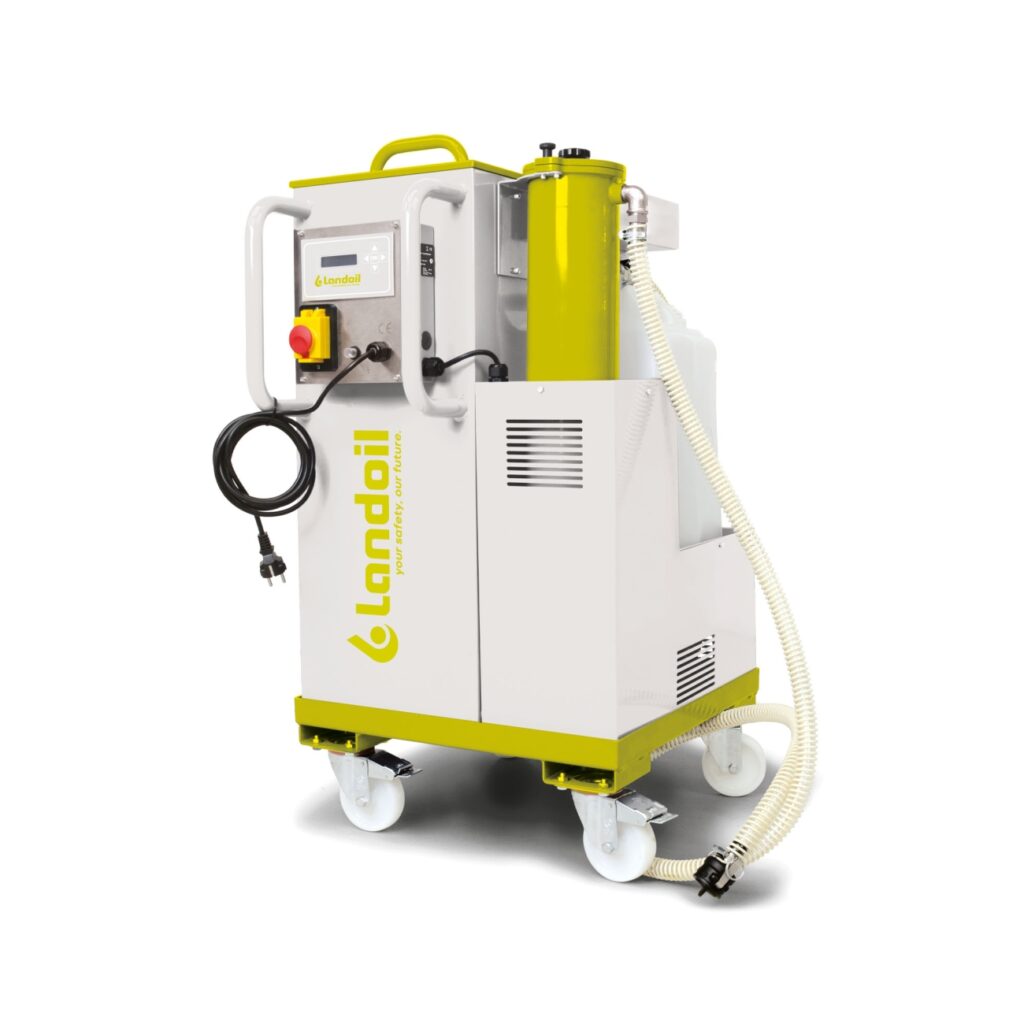
Coalescence oil separator Tos LANDOIL
The Tos LANDOIL coalescence oil separator can be used on multiple machine tools without the need for operator supervision, and reduces chemical and biological risks.
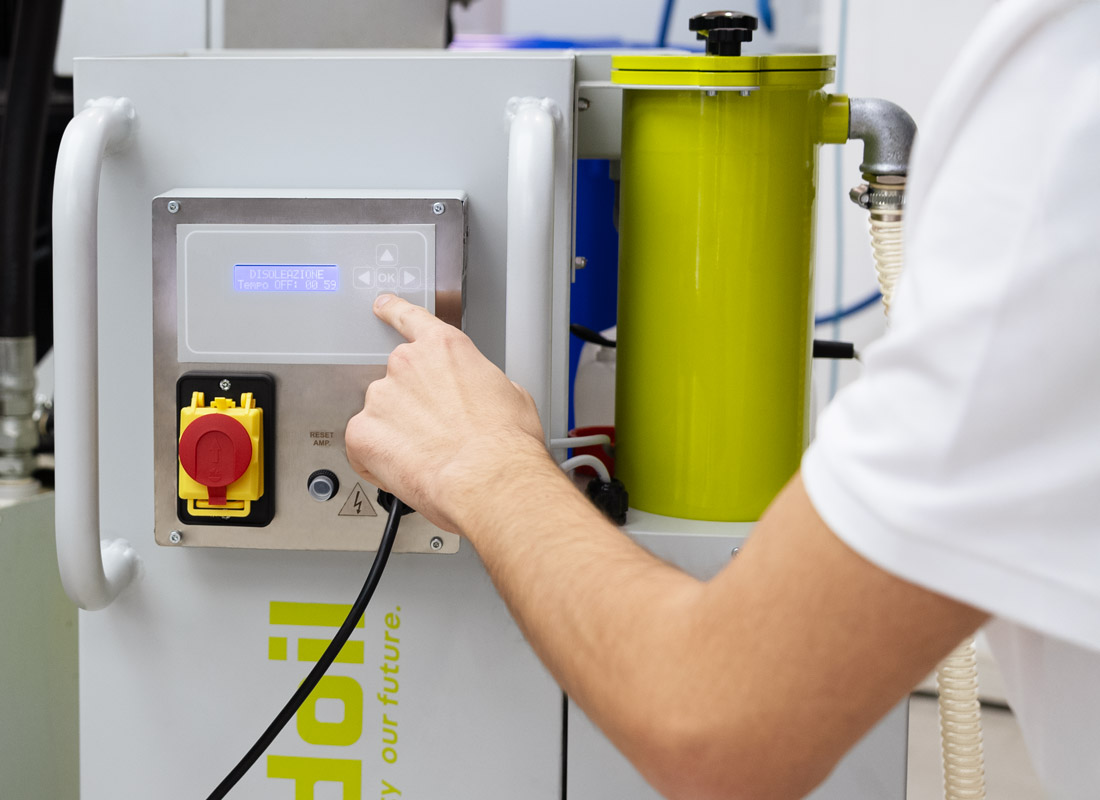
Oil separators are devices designed to separate oils from liquids, such as water or emulsions, used in industrial processes.
These systems reduce fluid contamination, improving operational efficiency and helping to keep machinery clean, ensuring a safer and more sustainable working environment.
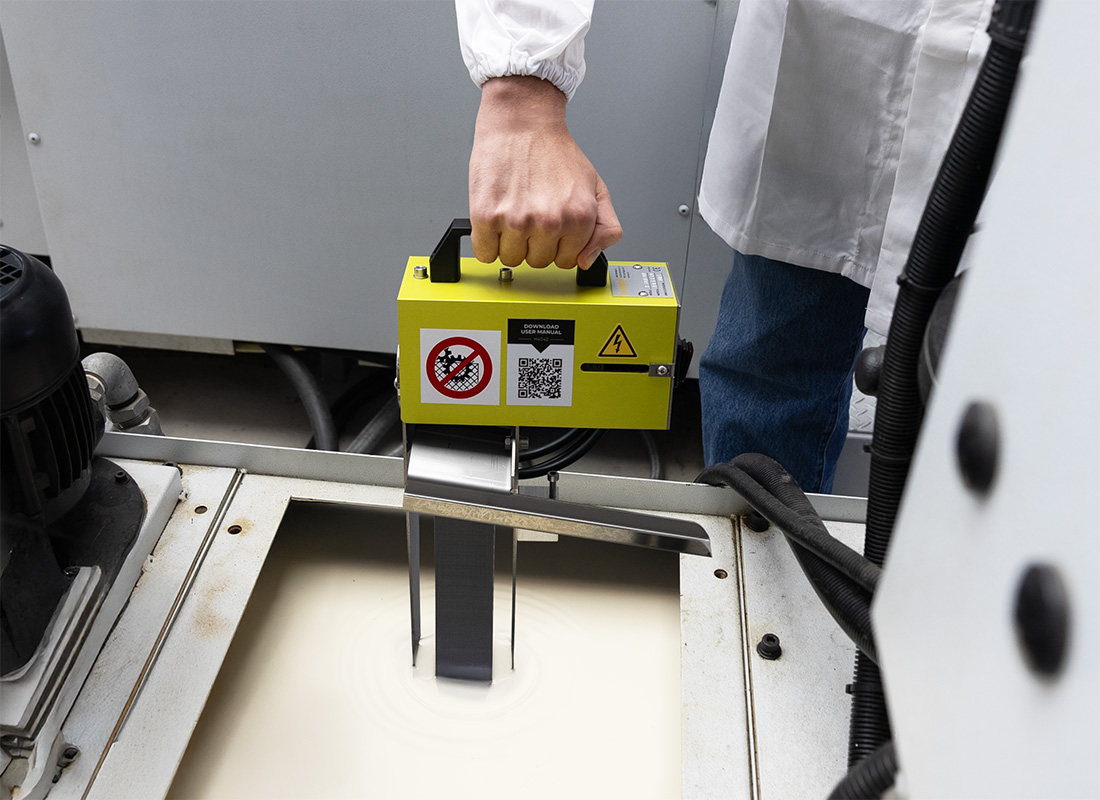
The use of oil skimmers is key to reducing environmental impact and ensuring the reuse of fluids in production processes.
Thanks to their ability to effectively separate oils, these devices reduce disposal costs and the consumption of new resources, improving operational safety and contributing to a greener and more responsible operation.
Oil skimmers are a key component in this scenario, offering advanced solutions for separating oils from industrial fluids. These devices are designed to improve the quality of production processes, reduce operating costs and minimise environmental impact. In this article, we will explore in detail what oil separators are, how they work, their benefits and practical applications in machine shops.
Understanding how oil skimmers work
Oil separators are devices designed to separate oil from water and other industrial fluids. Their operation is based on physical and mechanical principles that exploit the density difference between oil and water. When the mixed fluid enters the de-oiler, the oil, being less dense, tends to float to the surface, while water and other heavier contaminants settle to the bottom. This process makes it possible to collect the separated oil, which can then be disposed of or recycled.
Practical applications of oil skimmers in machine shops
In mechanical workshops, oil skimmers find applications in several areas. They are used to treat waste water from washing and cleaning processes, ensuring that the oil does not contaminate the environment. In addition, they are used in lubrication and cooling systems, where it is essential to keep fluids free of oily contaminants to ensure the proper functioning of machines. The use of oil skimmers in these contexts not only improves operational efficiency, but also helps to comply with environmental regulations.
Benefits of using oil skimmers
The adoption of oil skimmers in machine shops offers numerous advantages. Firstly, they help reduce operating costs, as they allow industrial fluids to be recycled and reused, reducing the need to purchase new materials. They also improve the quality of production processes, ensuring that machines operate with clean, contaminant-free fluids. From an environmental perspective, oil skimmers help prevent water pollution, reducing the ecological impact of industrial activities.
How to choose the right oil skimmer for your workshop
The choice of the most suitable oil skimmer depends on several factors, including the type of fluids handled, the production volume and the specific operational needs of the workshop. It is important to consider the capacity of the oil skimmer, its separation efficiency and ease of maintenance. Furthermore, it is advisable to opt for models that offer advanced features, such as automatic monitoring systems and customisation options, to best suit the workshop's specific needs.
Maintenance and care of oil skimmers
To ensure optimal operation and prolong the service life of oil separators, regular maintenance is essential. This includes periodic cleaning of components, verification of separation efficiency and replacement of worn parts. A well-structured maintenance programme not only ensures high performance, but also prevents sudden failures and costly downtime.
Technological innovations in oil skimmers
In recent years, oil skimmers have benefited from significant technological innovations. The integration of advanced sensors and automated control systems has improved the efficiency and precision of separation processes. In addition, the development of stronger and lighter materials has allowed for more compact and easy-to-install oil separators. These innovations not only improve performance, but also make oil skimmers more accessible and affordable for workshops of all sizes.
Frequently asked questions about oil skimmers
What are oil skimmers?
Oil skimmers are devices used to separate oil from water and other industrial fluids, improving the efficiency of production processes.
How do oil separators work?
Oil separators exploit the density difference between oil and water to separate the two fluids, allowing the separated oil to be collected.
What are the advantages of using oil skimmers?
Oil skimmers reduce operating costs, improve the quality of production processes and help reduce environmental impact.
Where are oil separators used in machine shops?
They are used in washing processes, lubrication and cooling systems to keep fluids free of oily contaminants.
How to choose the right oil skimmer?
The choice depends on the type of fluids handled, the production volume and the specific operational needs of the workshop.
What maintenance do oil/oil separators require?
They require periodic cleaning, verification of separation efficiency and replacement of worn parts to ensure optimal performance.
What technological innovations are present in modern oil separators?
The integration of advanced sensors and automated control systems has improved the efficiency and precision of oil separators.
are oil separators suitable for all machine shops?
Yes, thanks to technological innovations, oil skimmers have become more accessible and convenient for workshops of all sizes.
How do oil skimmers contribute to environmental sustainability?
They help prevent water pollution by reducing the ecological impact of industrial activities.
What are the economic considerations in using oil skimmers?
They allow industrial fluids to be recycled and reused, reducing the need to purchase new materials and lowering operating costs.
Over 150 pages of some of the safest products on the market
Download now