

Water-miscible metalworking fluids with mineral bases
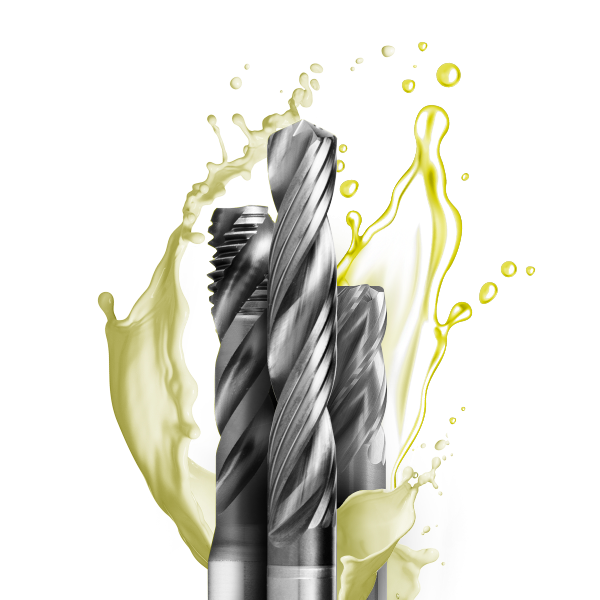
In the context of metalworking shops, efficiency and precision are key elements in ensuring work quality and equipment longevity. Read more
-
Mineral-Based Metalworking Fluids Multifluid E POWER EP LANDOIL
Multifluid E POWER EP LANDOIL mineral-based metalworking fluid with a high oil content, specifically designed for heavy-duty machining. -
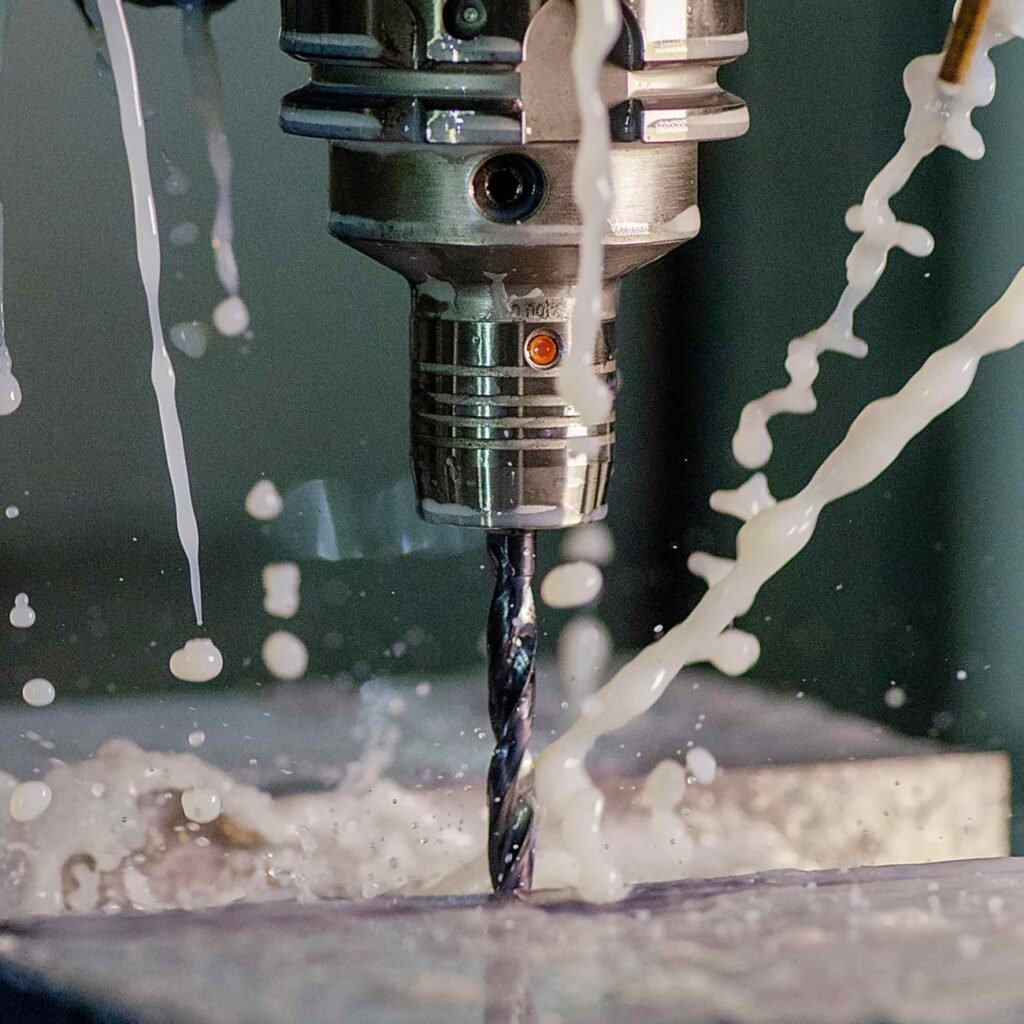
Mineral-Based Metalworking Fluids Multifluid E POWER LANDOIL
Multifluid E POWER LANDOIL mineral-based metalworking fluid has a high oil content, making it ideal for heavy-duty machining. It optimises performance. -
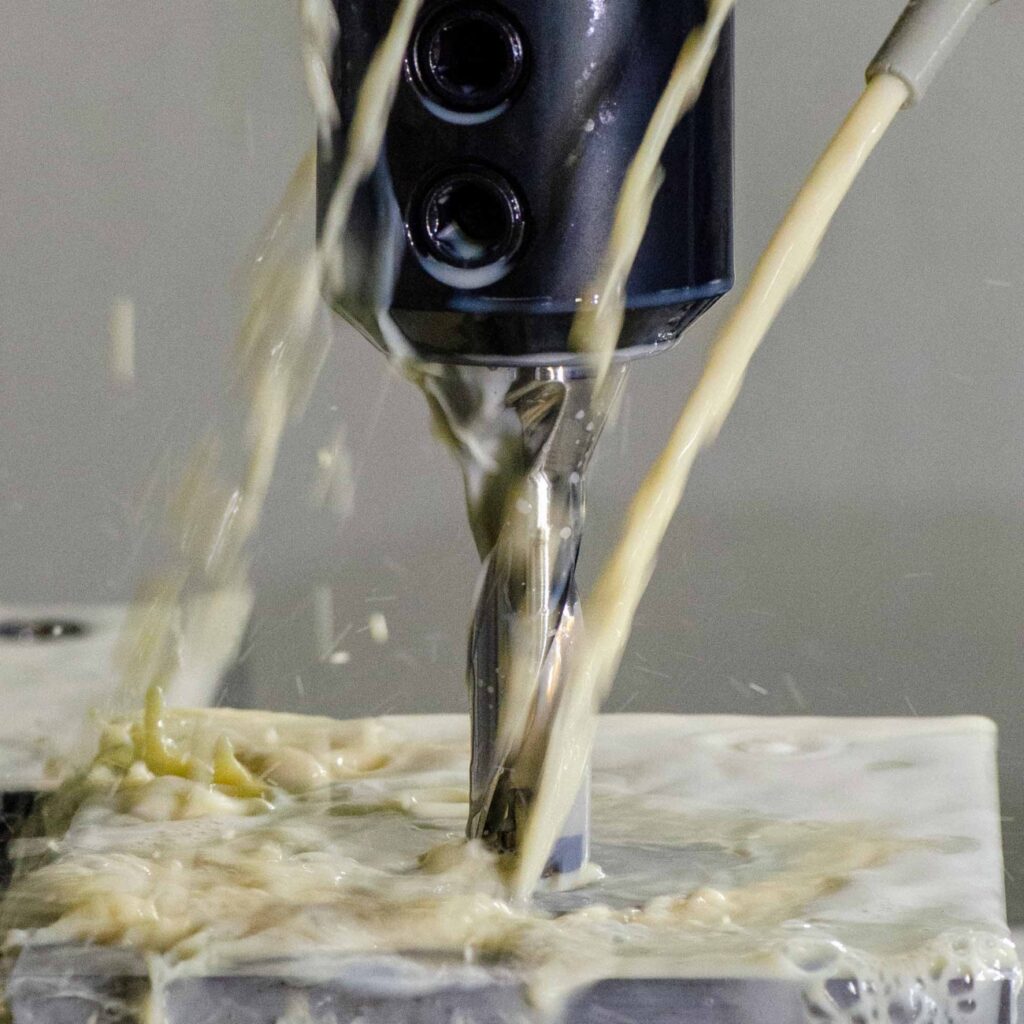
Mineral-Based Metalworking Fluids Multifluid E UNI EP LANDOIL
Multifluid E UNI EP mineral-based metalworking fluid from LANDOIL offers a high oil content for universal machining, ensuring efficiency and versatility. -
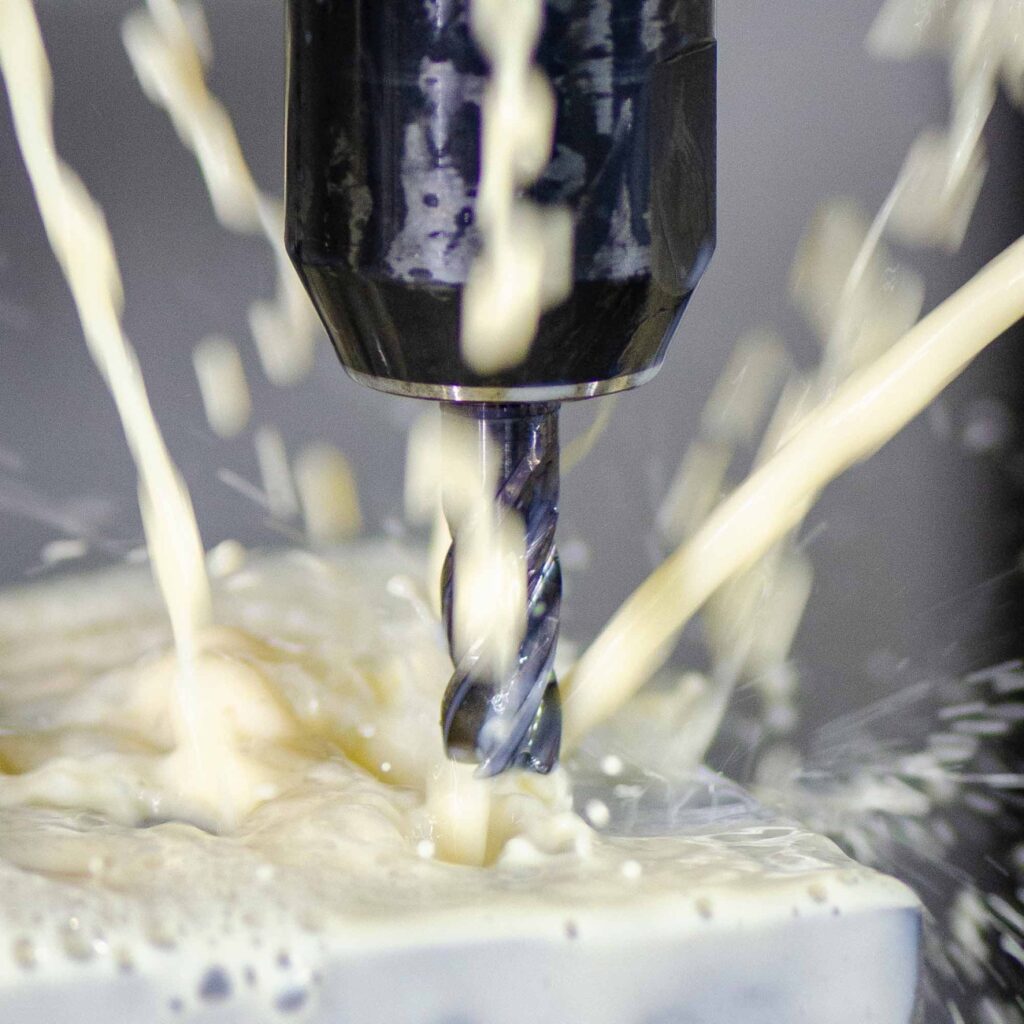
Mineral-Based Metalworking Fluids Multifluid E UNI LANDOIL
Multifluid E UNI LANDOIL mineral-based metalworking fluid with a high oil content for universal machining, ideal for all industrial requirements. -
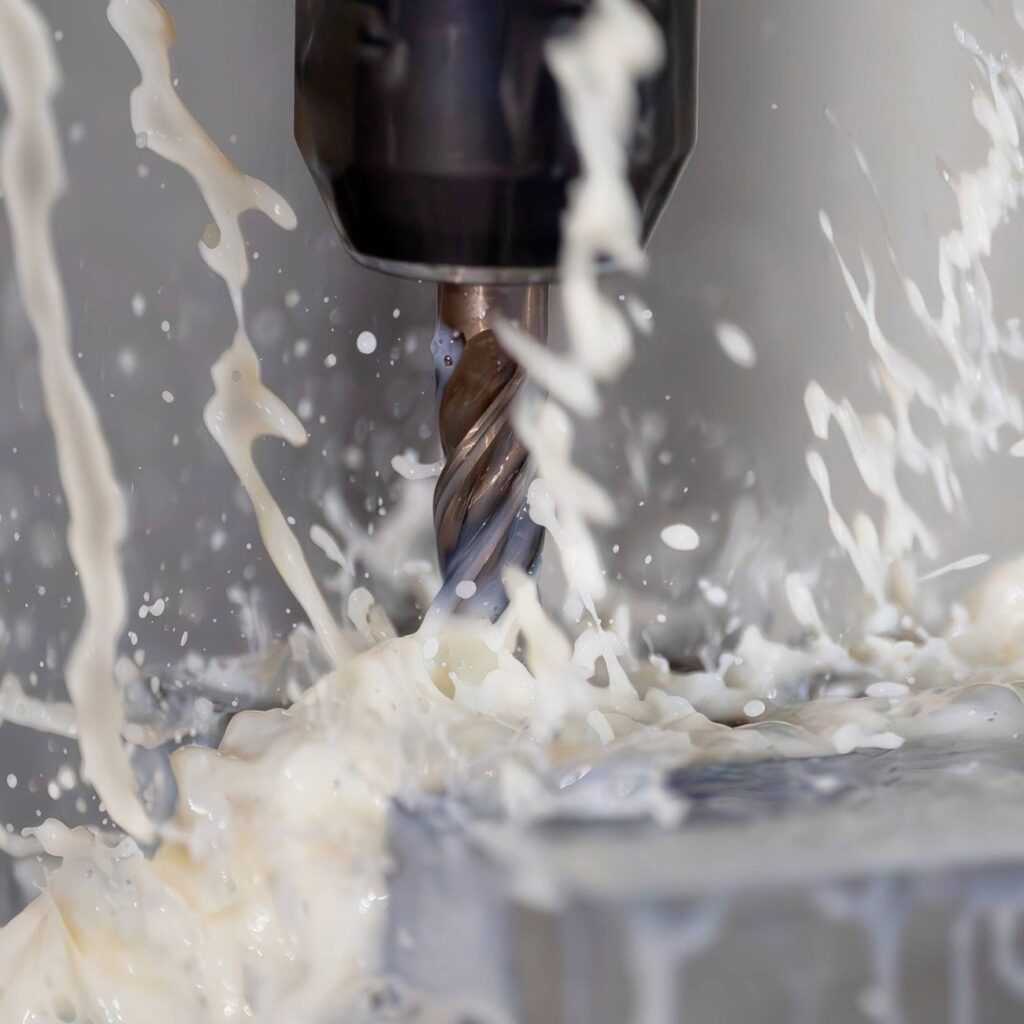
Mineral-Based Metalworking Fluids Multifluid S LANDOIL
Multifluid S mineral-based metalworking fluid from LANDOIL offers a medium oil content for light to medium machining, ensuring efficiency and quality -
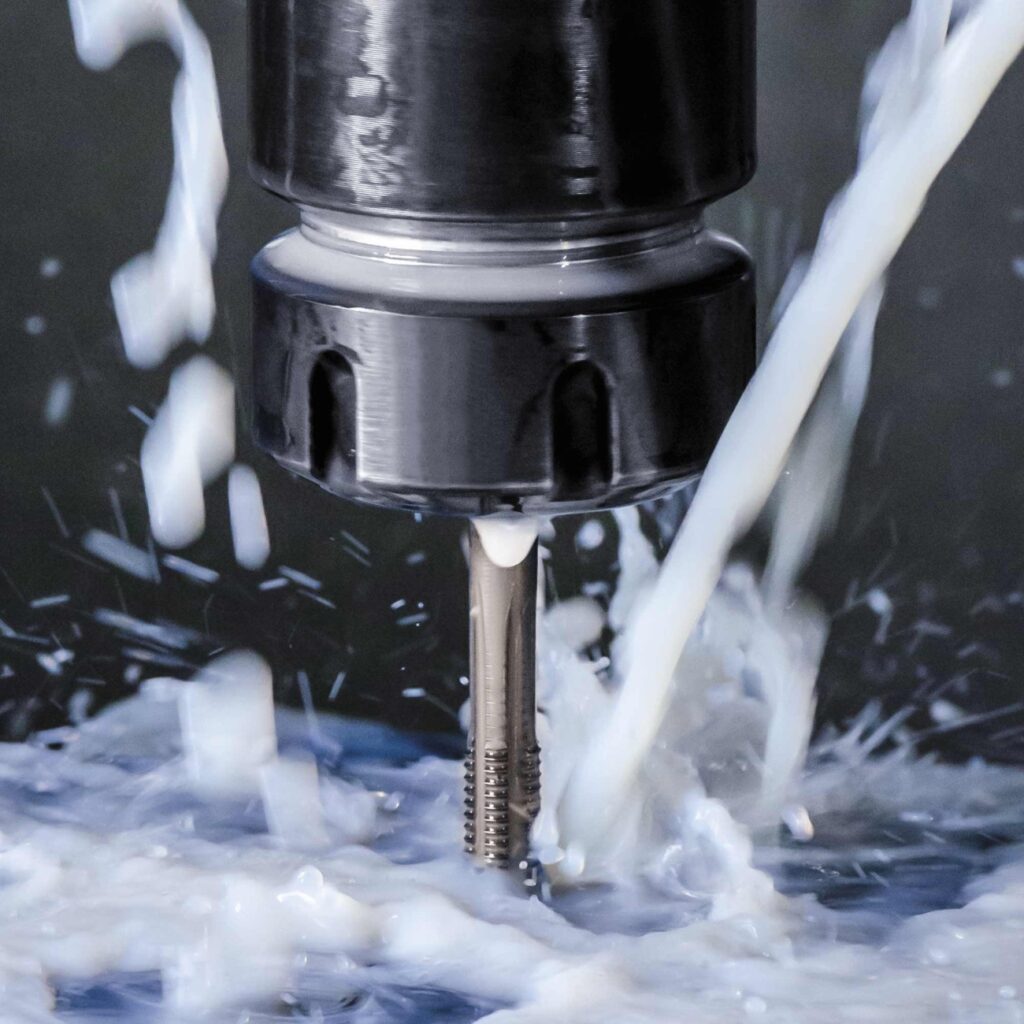
Mineral-Based Metalworking Fluids Multifluid S POWER CU LANDOIL
The mineral-based Multifluid S POWER CU LANDOIL metalworking fluid offers a medium oil content, ideal for machining yellow alloys. -
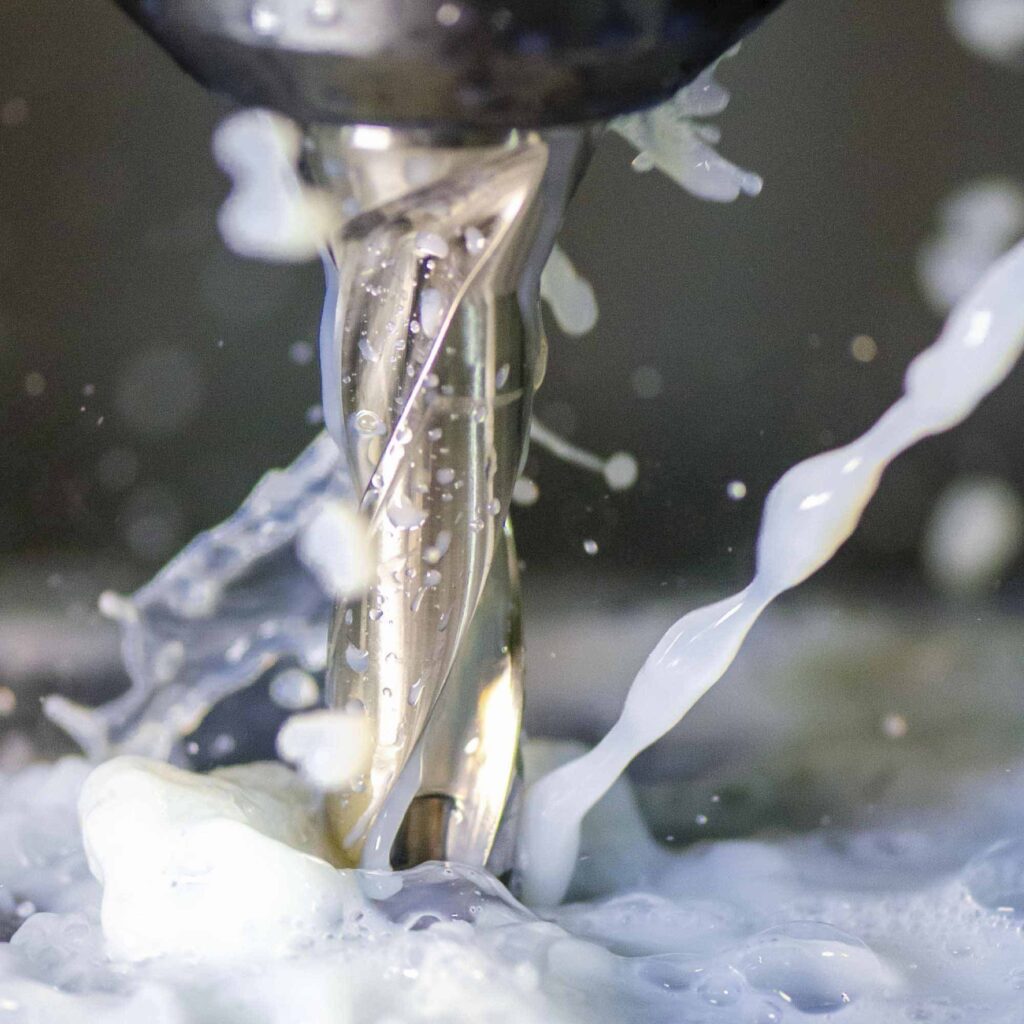
Mineral-Based Metalworking Fluids Multifluid S UNI LANDOIL
Multifluid S UNI LANDOIL mineral-based metalworking fluid with medium oil content for general-purpose machining, ideal for all industrial requirements.
Mineral-based water-miscible metalworking fluids are an advanced solution for optimising metalworking processes. Due to their chemical composition, these fluids offer a number of advantages that improve the performance of machine tools and the quality of finished products.
Composition and Features of Mineral-Based Water-Miscible Metalworking Fluids
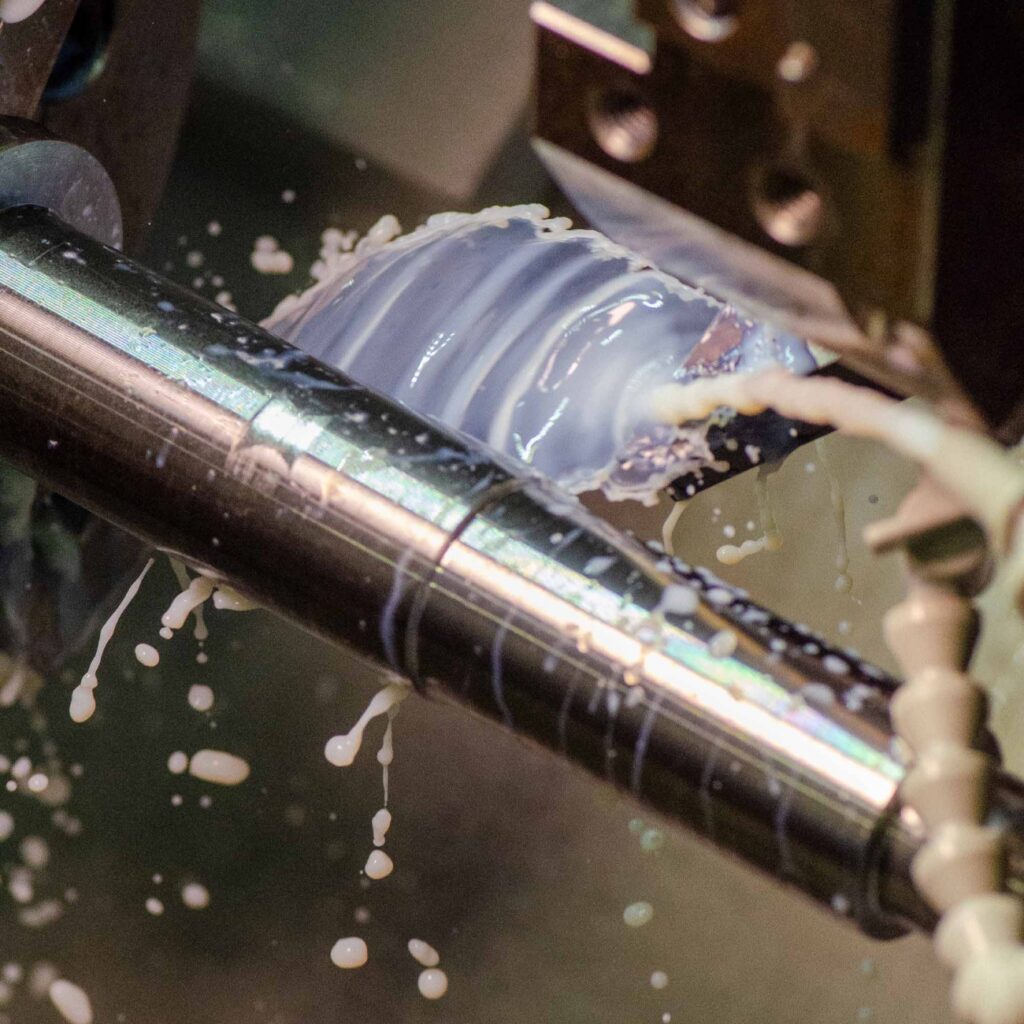
Mineral-based water-miscible metalworking fluids are formulated with refined mineral oils and specific additives that improve their lubricating and cooling properties. Water miscibility enables stable emulsions that reduce friction and effectively dissipate heat generated during cutting and machining operations. These fluids are designed to be compatible with a wide range of materials, including steels, light alloys and non-ferrous metals.
Operation and practical applications
The use of mineral-based water-miscible metalworking fluids is essential in many industrial applications. During turning, milling, drilling and grinding operations, these fluids form a protective film on the metal surface, reducing tool wear and improving surface finish. Their cooling ability prevents overheating of machined parts, minimising the risk of thermal deformation and prolonging tool life.
Advantages of using mineral-based water-miscible metalworking fluids
The adoption of mineral-based water-miscible metalworking fluids has several benefits for machine shops. First of all, the reduction of friction and heat allows for an increase in machining speed, which improves overall productivity. In addition, the protection of tools and machined surfaces results in less frequent tool changes, reducing operating costs. These fluids are also designed to be environmentally friendly, reducing the environmental impact of industrial operations.
Safety and maintenance considerations
The safe use of mineral-based water-miscible metalworking fluids requires proper handling and maintenance. It is essential to regularly monitor the emulsion concentration and fluid quality to ensure optimal performance. Furthermore, it is important to follow safety guidelines to avoid direct contacts with the skin and inhalation of vapours. Regular maintenance of lubrication and cooling systems helps to prevent contamination problems and prolong fluid life.
Frequently asked questions about mineral-based water-miscible metalworking fluids
What are the main components of mineral-based water-miscible metalworking fluids?
The main components include refined mineral oils and specific additives to improve lubricating and cooling properties.
How is a water-miscible metalworking fluid emulsion prepared?
The emulsion is prepared by mixing metalworking fluid concentrate with water, following the proportions recommended by the manufacturer.
What are the environmental advantages of water-miscible metalworking fluids?
These fluids are designed to be environmentally friendly, reducing the environmental impact of industrial operations.
How is the quality of the emulsion monitored?
The quality of the emulsion is monitored through concentration tests and periodic chemical analyses.
Which materials can be processed with water-miscible metalworking fluids?
They are compatible with a wide range of materials, including steels, light alloys and non-ferrous metals.
What is the typical lifetime of a water-miscible metalworking fluid?
The service life depends on operating conditions and maintenance, but can generally range from a few weeks to several months.
How are spent metalworking fluids disposed of?
They should be disposed of according to local industrial and environmental waste regulations.
What are the risks associated with the use of metalworking fluids?
Risks include skin irritation and inhalation of vapours, so it is important to follow safety guidelines.
How is emulsion contamination prevented?
Contamination is prevented through proper maintenance of lubrication and cooling systems.
What are the alternatives to water-miscible metalworking fluids?
Alternatives include synthetic metalworking fluids and whole oils, each with specific applications and advantages.
Over 150 pages of some of the safest products on the market
Download now