


Industrial Greases
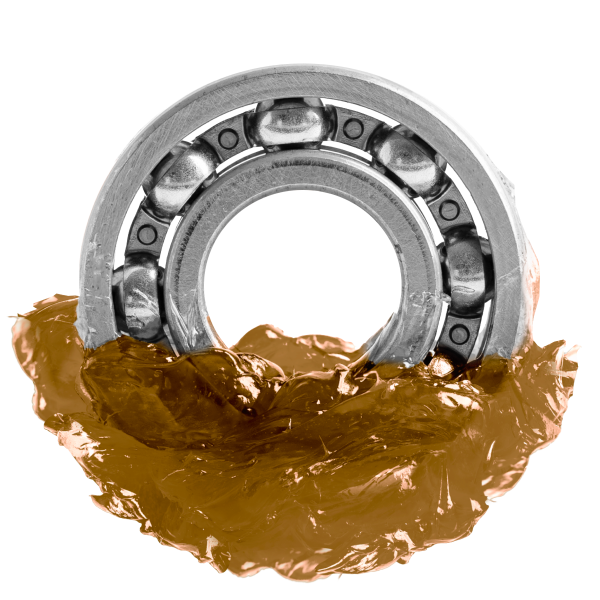
In the machine shop environment, greases play a crucial role in ensuring the optimal operation of machines and tools. Read more
-

LANDOIL lithium grease
LANDOIL lithium grease offers universality of use, mechanical stability and resistance to oxidation for reliable and long-lasting performance in every application. -
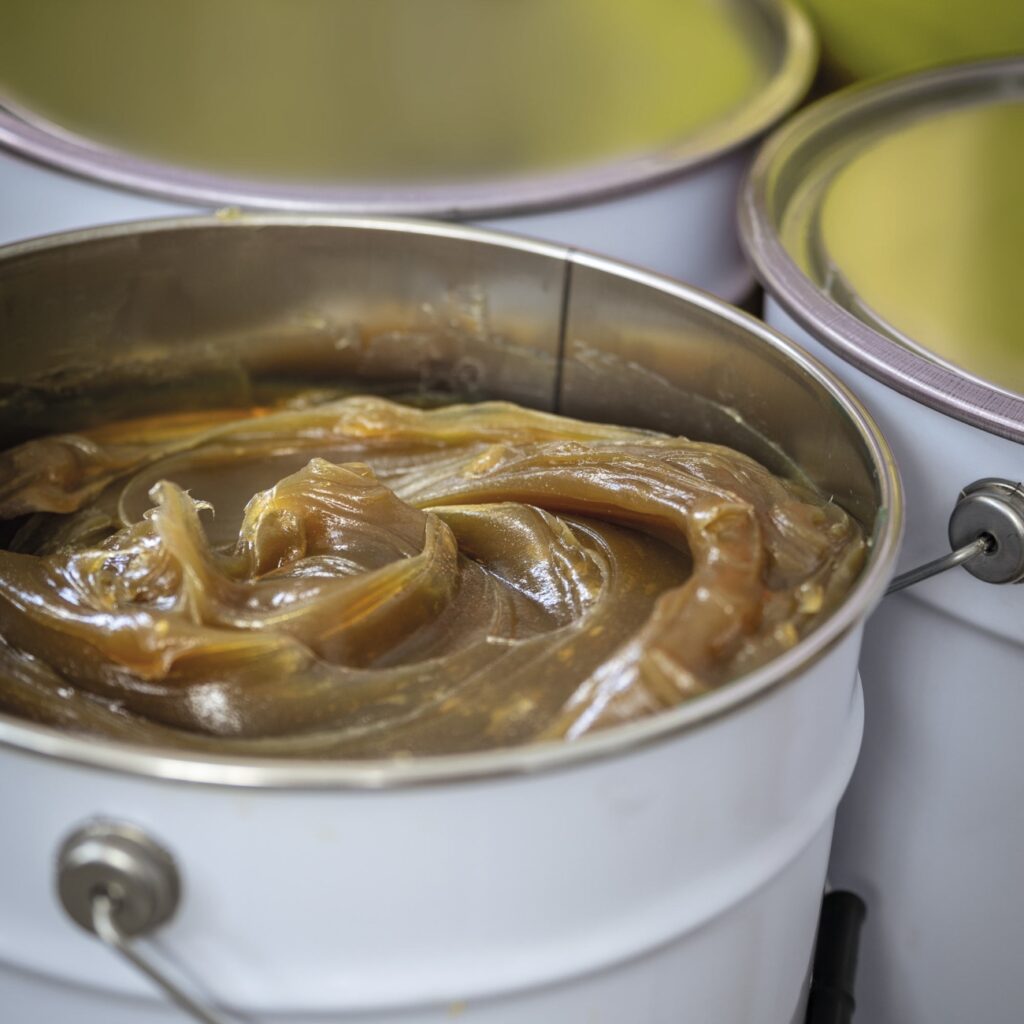
Multigrease MP LANDOIL grease
Multigrease MP LANDOIL grease offers universality of use, excellent mechanical stability and high ep characteristics for superior performance. -
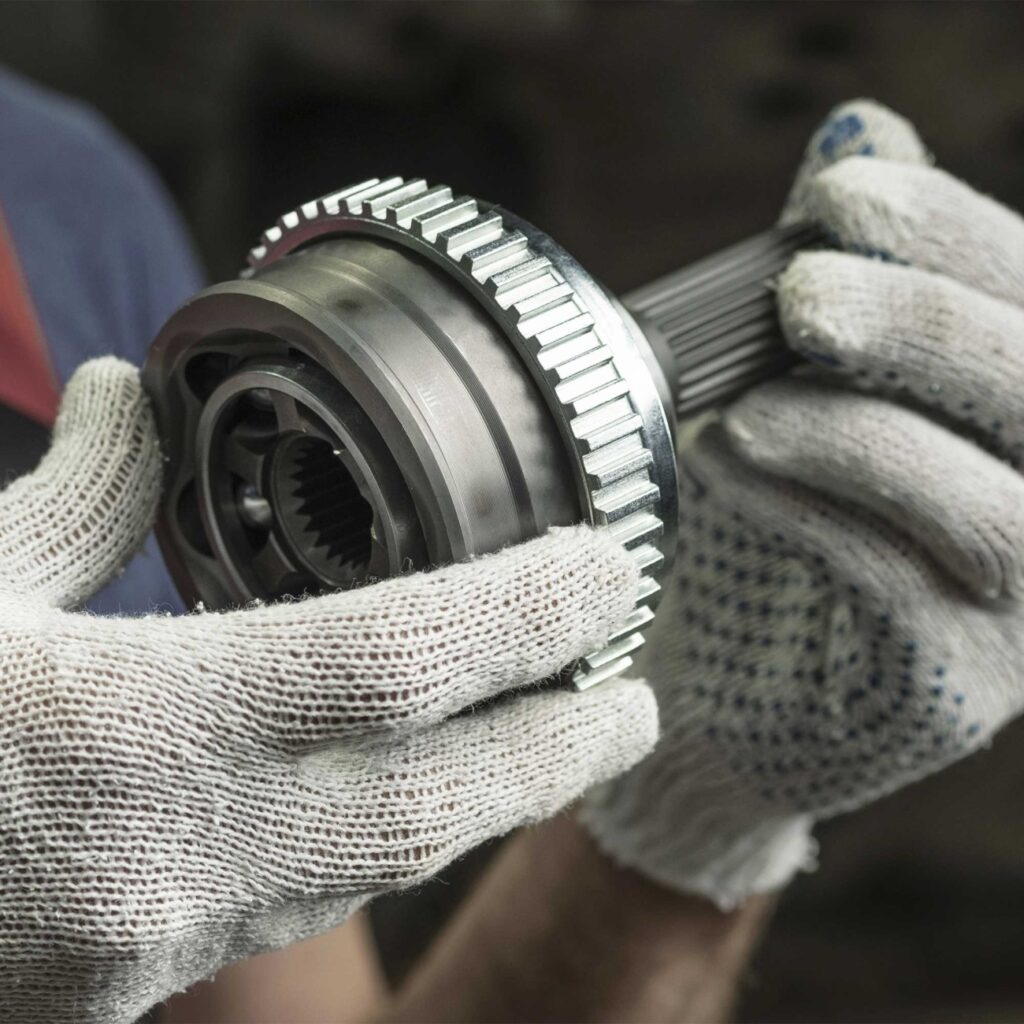
Multigrease MP/R 00 LANDOIL grease
Multigrease MP/R 00 LANDOIL grease is designed for lubricating guides and slides, ensuring mechanical stability and excellent oxidation resistance.
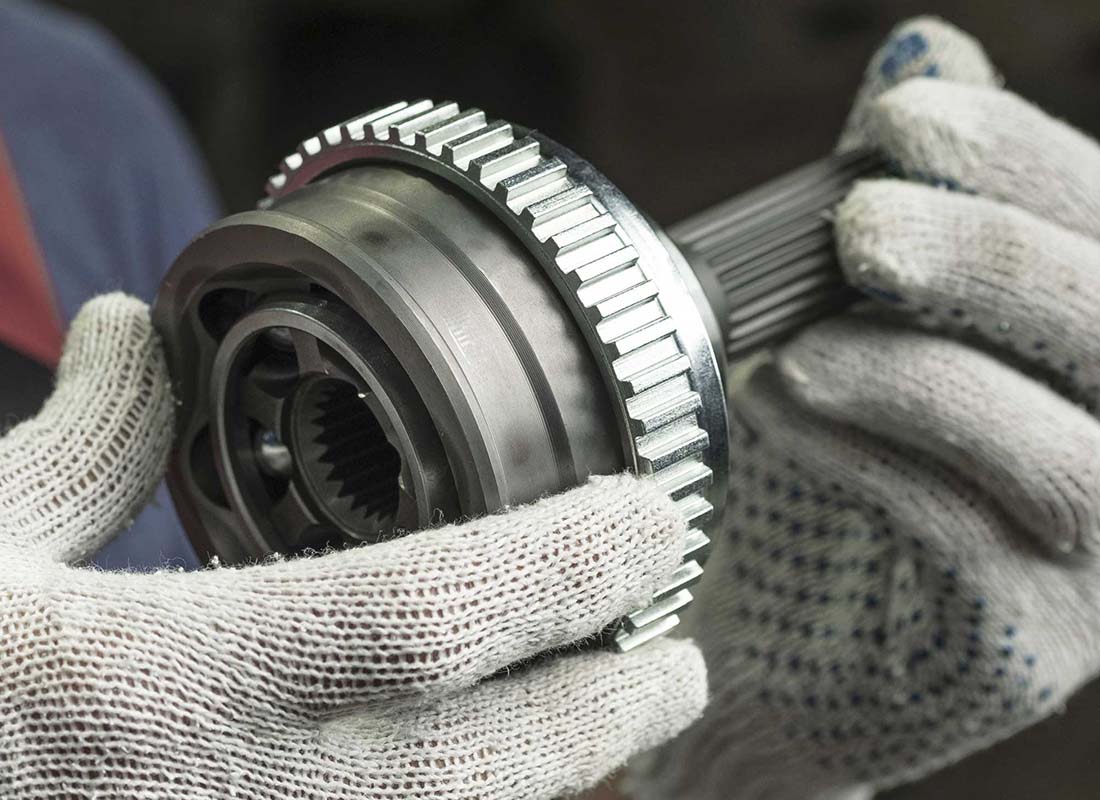
Industrial greases are semi-solid lubricants ideal for reducing friction between moving surfaces.
Due to their consistency, they adhere to surfaces providing long-lasting lubrication even under heavy loads or extreme temperatures, thus protecting equipment from wear and damage.
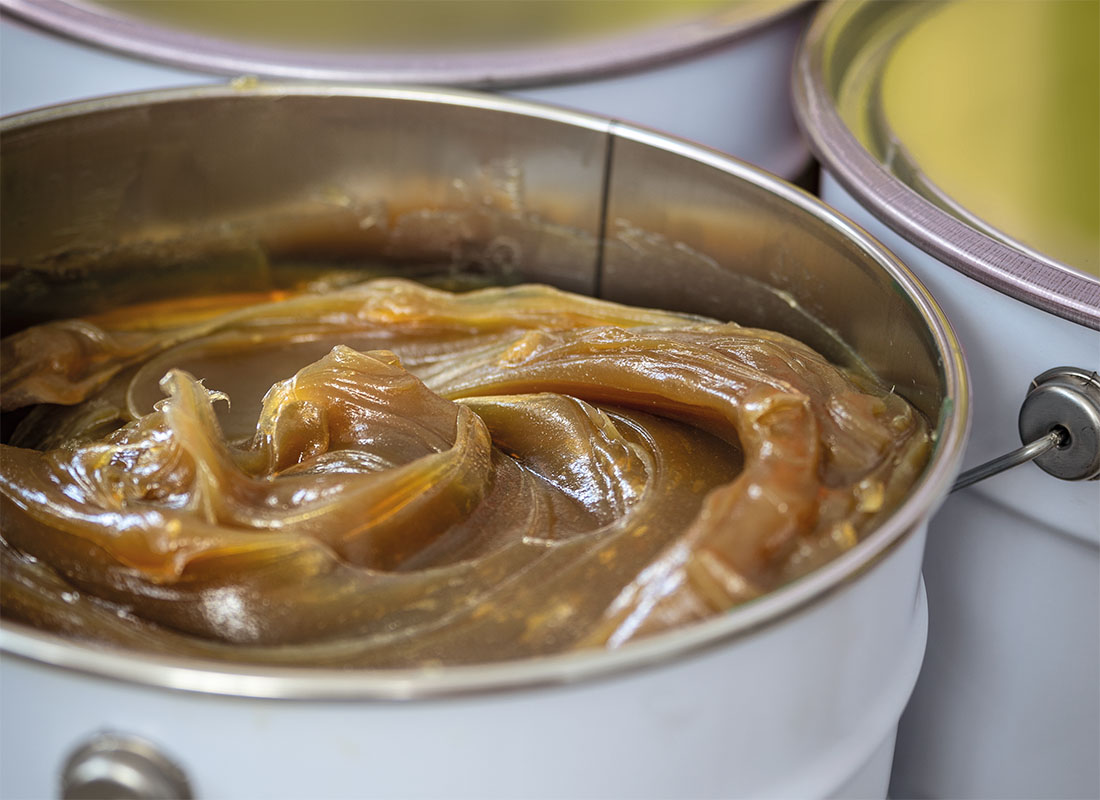
These lubricants are particularly effective for protecting bearings, gears and other mechanical components subject to prolonged stress.
Industrial greases resist washout and contamination, ensuring continuous and safe operation. Their application helps to reduce maintenance costs and improve operational safety.
These lubricants are essential for reducing friction between moving metal surfaces, preventing wear and extending the life of equipment. In this article, we will explore in detail what greases are, how they are used, their benefits and answer frequently asked questions on the subject.
What are fats and how are they classified?
Fats are semi-solid substances consisting of a lubricating oil and a thickener. The oil can be mineral, synthetic or vegetable, while the thickener is usually a metal soap or an organic compound. The classification of greases is mainly based on the type of thickener used, which determines the physical and chemical properties of the grease. Among the most common are lithium, calcium, aluminium and barium greases.
The importance of greases in machine shops
In machine shops, greases are essential to ensure the lubrication of bearings, gears, joints and other moving parts. Their ability to adhere to metal surfaces and withstand extreme conditions of temperature and pressure makes them indispensable for the proper functioning of machines. In addition, greases protect metal surfaces from corrosion and oxidation, helping to maintain operational efficiency.
How to choose the right grease for your needs
Choosing the appropriate grease depends on several factors, including the type of application, operating conditions and technical specifications of the machines. It is important to consider base oil viscosity, thermal stability, water resistance and compatibility with the materials of the surfaces to be lubricated. Consulting the manufacturer's data sheets and recommendations can help you select the most suitable grease for your needs.
Advantages of using greases in the mechanical engineering industry
The use of greases offers numerous advantages, including reducing friction and wear, protecting against corrosion, reducing noise and vibration, and increasing energy efficiency. In addition, greases can help to reduce maintenance costs and extend the service life of equipment, improving overall workshop productivity.
Practical applications of greases in machine shops
Greases find application in a wide range of machinery and equipment, including ball bearings, gears, chains, universal joints and transmission systems. Their ability to provide long-lasting lubrication and withstand harsh operating conditions makes them ideal for use in demanding industrial environments.
Frequently asked questions about greases in the mechanical engineering industry
What is the difference between a grease and a lubricating oil?
Greases are semi-solid and contain a thickener that gives them a thicker consistency than lubricating oils, which are liquid.
How do I know if I am using the right grease for my machine?
Consulting the manufacturer's technical specifications and recommendations for the specific application can help you determine the most suitable grease.
Can greases be mixed together?
In general, it is not recommended to mix different greases as they may have incompatible thickeners that impair performance.
What are the signs that fat needs to be replaced?
Unusual noises, increased vibration and overheating of moving parts may indicate the need to replace grease.
How is grease applied correctly to a bearing?
Grease must be applied evenly over the bearing surface, avoiding overfilling to prevent overheating.
What are the risks of over-applying grease?
Excessive application can cause an increase in operating temperature and increased resistance to movement, reducing efficiency.
Are biodegradable greases as effective as conventional greases?
Biodegradable greases can offer comparable performance to conventional greases, with the advantage of a lower environmental impact.
How is grease stored correctly?
Grease should be stored in a cool, dry place, away from sources of heat and moisture, to preserve its properties.
What are the safety regulations for the use of grease?
It is important to follow the safety regulations regarding the handling and disposal of grease to ensure the safety of operators.
What innovations are emerging in the range of industrial greases?
Innovations include the development of high-performance synthetic greases and environmentally friendly formulations to reduce environmental impact.


Over 150 pages of some of the safest products on the market
Download now