


Slideway oils
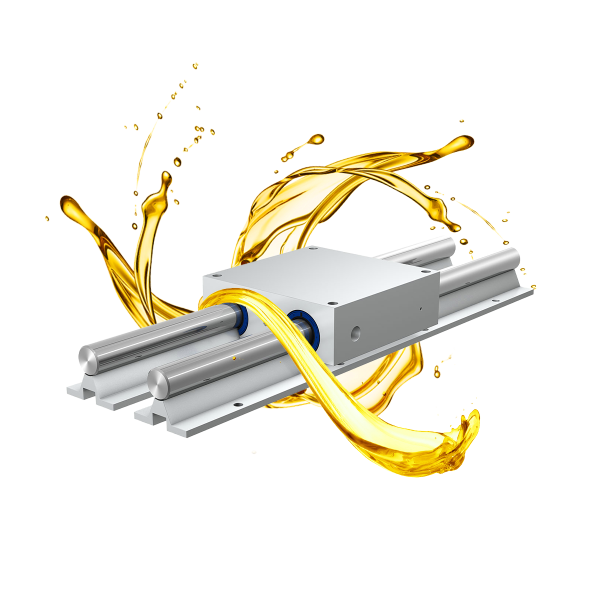
In the world of machine shops, efficiency and precision are key elements in ensuring the quality of work and durability of machines. Read more
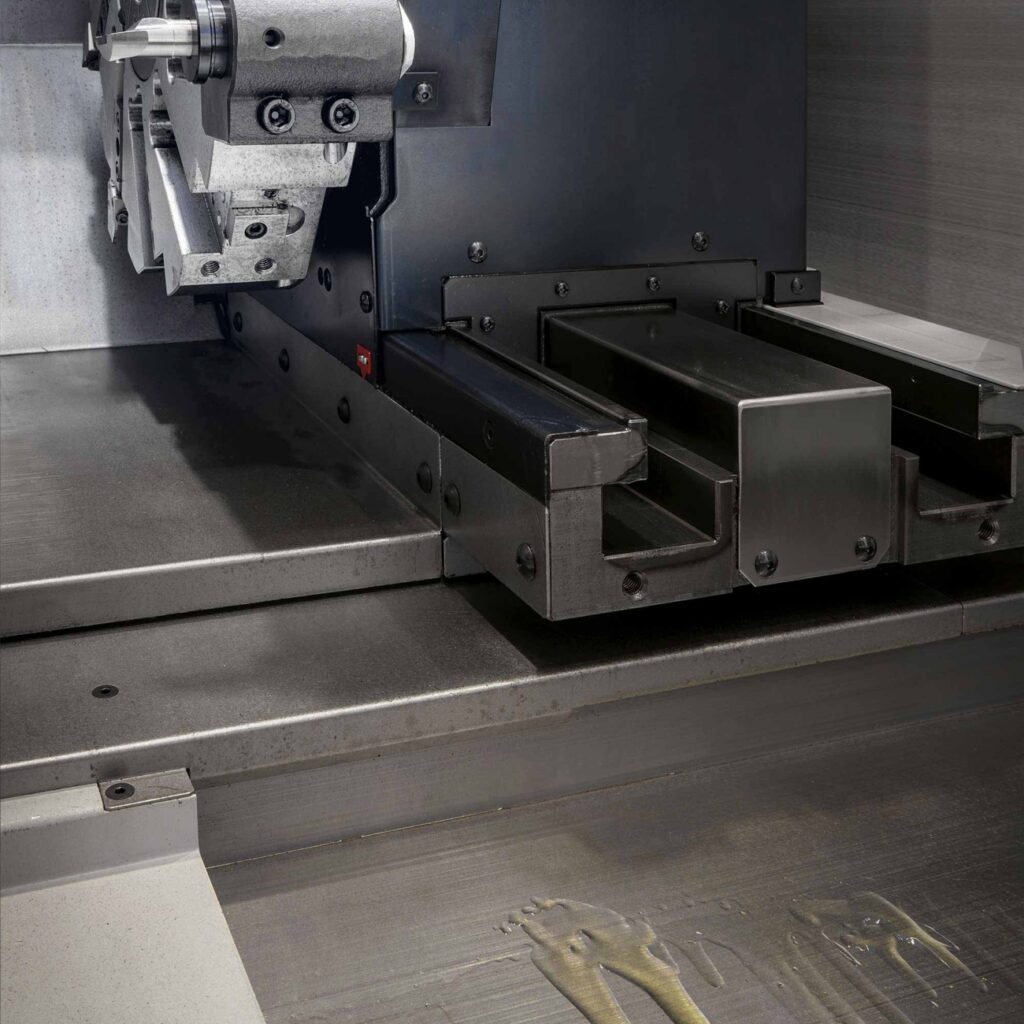
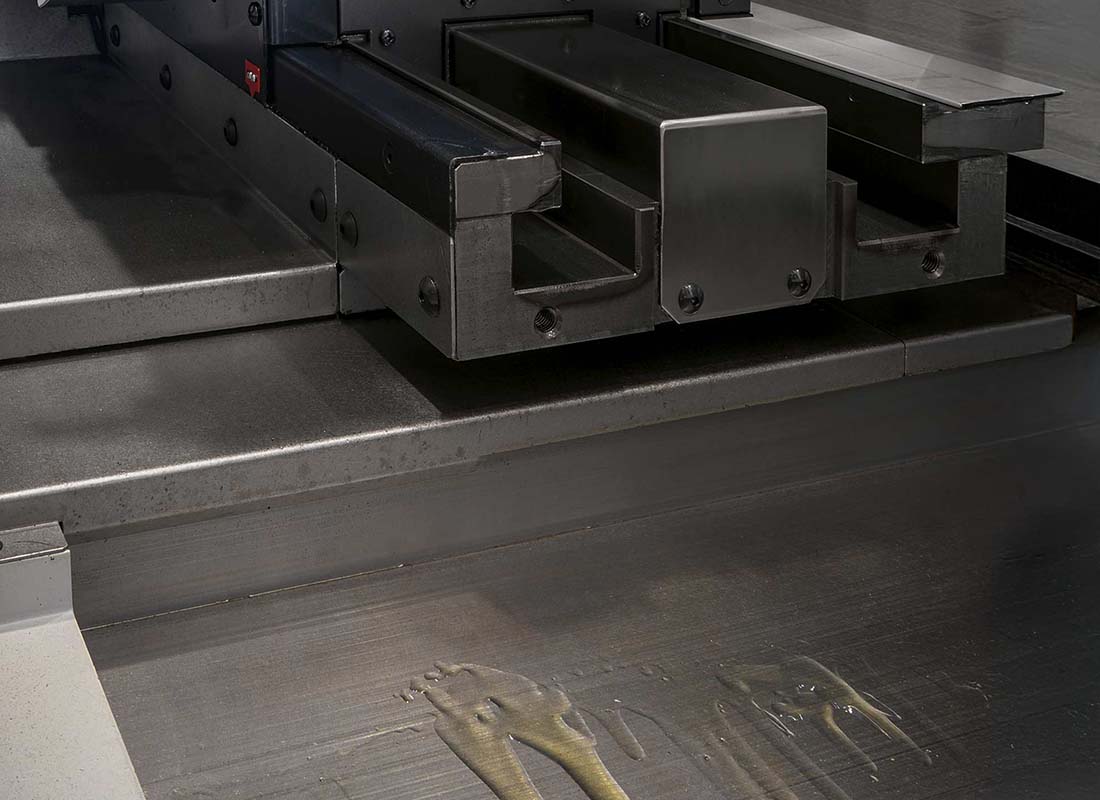
Guide and slide oils are lubricants specifically for the sliding surfaces of machine tools, such as guides and slides.
These oils offer excellent anti-stick-slip properties, reducing friction and ensuring smooth and precise movements. They also improve wear protection, prolonging the service life of machines.
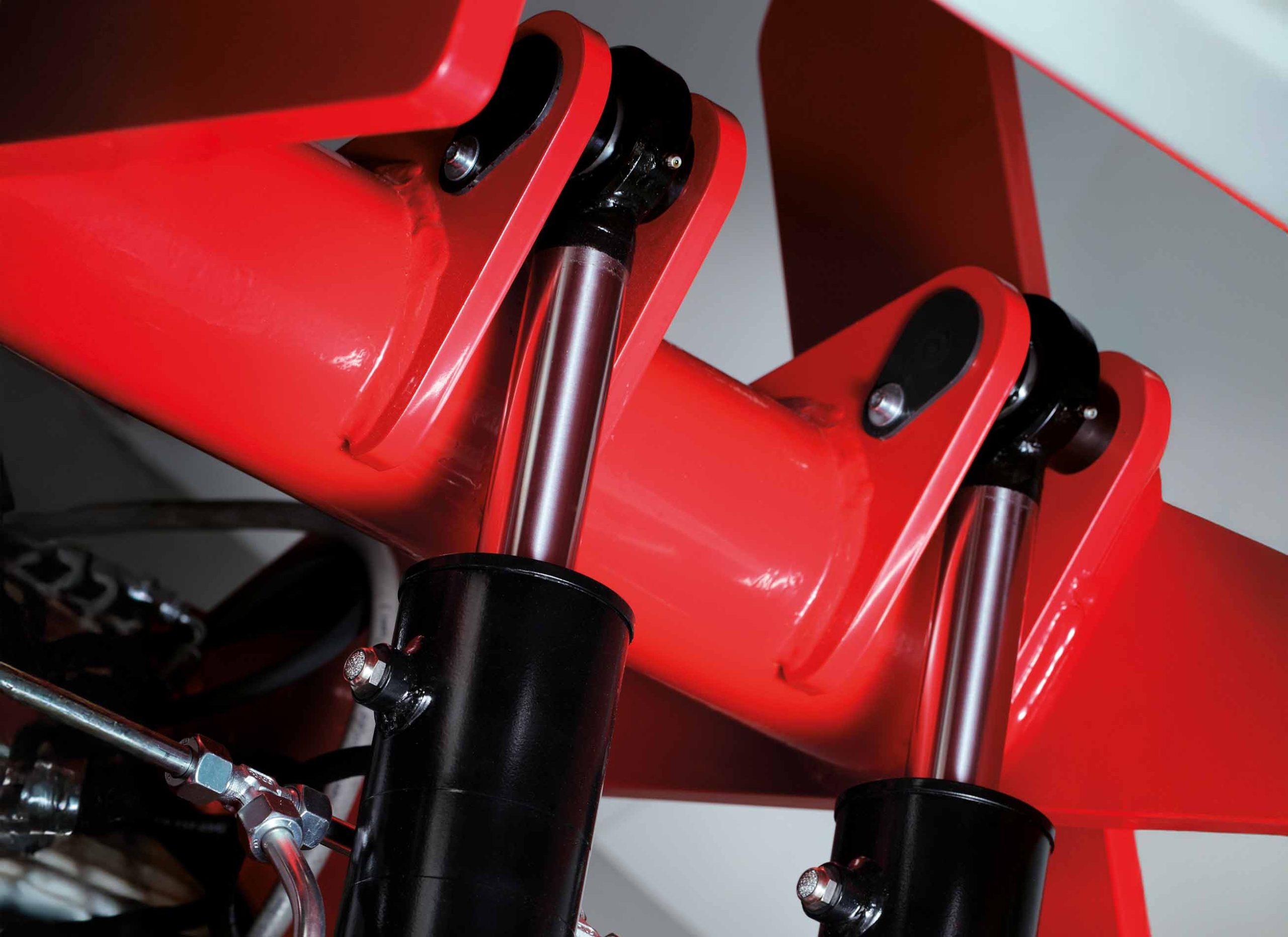
Designed to withstand the toughest working conditions, guide and slide oils ensure stable lubrication even at high loads and low speeds.
The use of these oils not only improves operational efficiency, but also contributes to a safe working environment by reducing the risk of malfunctions and failures.
Guide and slide oils are an essential component in the proper functioning of machine tools, helping to reduce friction and wear between moving surfaces. In this in-depth look at what slide and guideway oils are, what they are used for, how they are used and what benefits they offer.
Features of slide and guideway oils
Guide and slide oils are lubricants specifically formulated for use on sliding surfaces, such as those found in machine tools. These oils are designed to provide a stable lubricating film that reduces friction and prevents wear on metal surfaces. One of the main FEATURES of these oils is their ability to adhere to surfaces, even under high loads and slow movements. In addition, guide and slide oils must possess anti-corrosion and anti-foaming properties to ensure optimal surface protection.
Main Functions of Guide and Slide Oils
Guide and slide oils perform several crucial functions in machine tools. Firstly, they reduce friction between moving surfaces, improving energy efficiency and reducing energy consumption. In addition, these oils help dissipate heat generated by friction, preventing surfaces from overheating and prolonging machine life. Another important function is corrosion protection, which preserves the integrity of metal surfaces and prevents rusting.
Applications of guide and slide oils in machine shops
In machine shops, slide and slide oils are used in a wide range of machine tools, including lathes, milling machines, grinding machines and machining centres. These oils are essential to ensure the proper functioning of linear guides, slides and other sliding surfaces. Guide and slide oils are generally applied via central lubrication systems, which ensure an even distribution of the lubricant over all critical surfaces.
Advantages of using guideway and slide oils
The use of guideway and slideway oils offers numerous advantages for machine shops. One of the main benefits is the reduction of surface wear, which results in longer machine life and reduced maintenance costs. In addition, the reduction in friction improves the energy efficiency of machines, helping to reduce energy consumption and CO2 emissions. Guide and slide oils also improve machining precision, ensuring higher quality of the finished products.
How to choose the right slide and guideway oils
The choice of the most suitable slide and guideway oils depends on several factors, including the type of machine tool, operating conditions and specific lubrication requirements. It is important to select an oil that offers good adhesion to surfaces, high resistance to loads and effective protection against corrosion. Furthermore, it is advisable to opt for oils that are compatible with surface materials and do not cause unwanted chemical reactions.
Maintenance and Replacement of Guide and Slide Oils
To ensure maximum performance, regular maintenance of slide and slide oils is essential. This includes periodically checking the oil level, checking the condition of the lubricant and replacing the oil when necessary. The frequency of replacement depends on the operating conditions and the type of machine, but in general it is advisable to change the oil at least once a year.
Frequently asked questions about guide and slide oils
What are the main components of slide and guideway oils?
Guide and slide oils are mainly composed of mineral or synthetic base oils, anti-wear, anti-corrosion and anti-foaming additives.
How are slide and slide oils applied?
Guide and slide oils are applied via central lubrication systems or manually, depending on the type of machine tool.
What are the signs of insufficient lubrication of guides and slides?
Signs of insufficient lubrication include abnormal noises, increased friction, overheating and premature surface wear.
Is it possible to use motor oils instead of guide and slide oils?
No, motor oils are not suitable for guides and slides, as they do not offer the same adhesion and protection properties.
What are the risks of inadequate lubrication of guides and slides?
Inadequate lubrication can lead to increased wear, reduced machining accuracy and premature machine failure.
How do you clean the surfaces before applying guide and slide oils?
Surfaces must be thoroughly cleaned with appropriate solvents to remove residues of old lubricants and contaminants.
What are the differences between mineral and synthetic slide and guideway oils?
Synthetic oils offer greater thermal stability and better oxidation resistance than mineral oils.
How does temperature affect the effectiveness of guide and slide oils?
High temperatures can reduce the viscosity of oils, impairing their lubrication and protection capacity.
Is it necessary to use specific guide and slide oils for each type of machine tool?
Yes, it is important to choose specific oils for each type of machine to ensure optimal performance and adequate protection.
What are the safety regulations to be followed when using guide and slide oils?
It is essential to follow safety regulations regarding the handling, storage and disposal of oils to prevent health and environmental risks.



Over 150 pages of some of the safest products on the market
Download now