

Ester based water miscible metalworking fluids
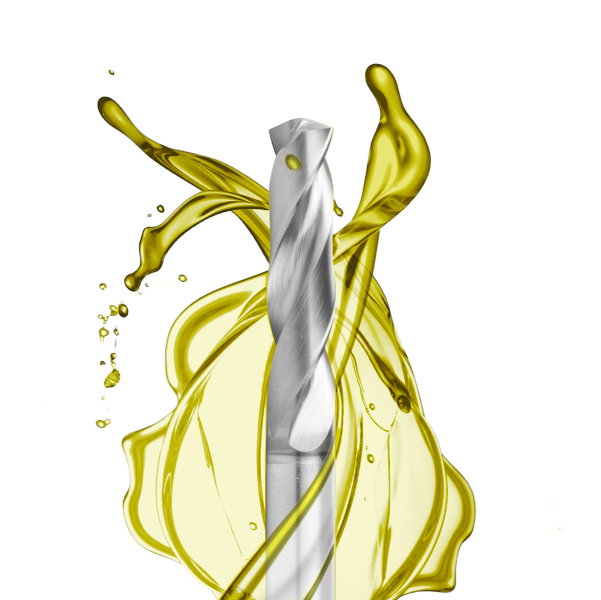
In the context of machine shops, efficiency and precision are key elements in ensuring the quality of the work performed. Read more
-
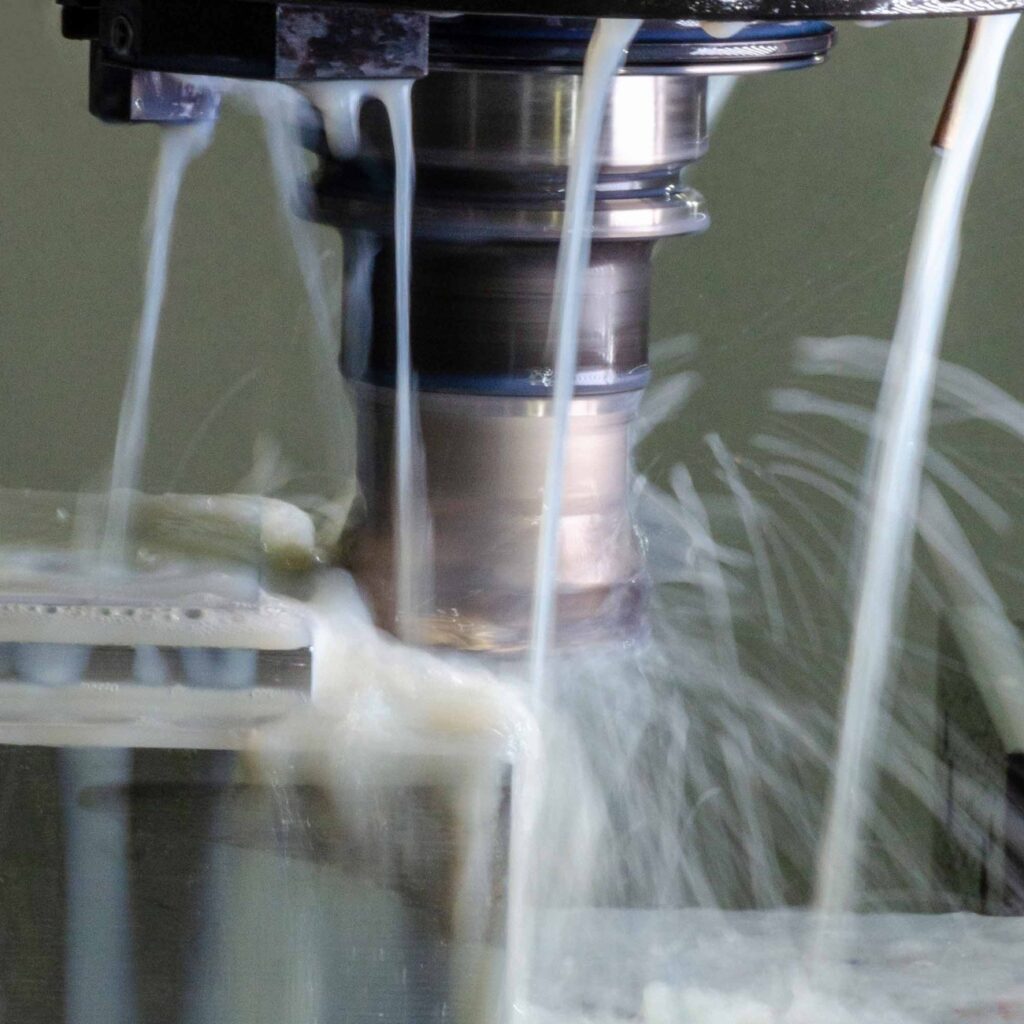
Ester-Based Metalworking Fluids Futura E POWER LANDOIL
Futura E POWER LANDOIL ester-based metalworking fluid – a high-oil-content metalworking fluid specifically designed for heavy-duty machining. Optimises performance. -

Ester-Based Metalworking Fluids Futura E UNI EP LANDOIL
Futura E UNI EP LANDOIL ester-based metalworking fluid with a high oil content for universal machining. Optimises performance and service life. -
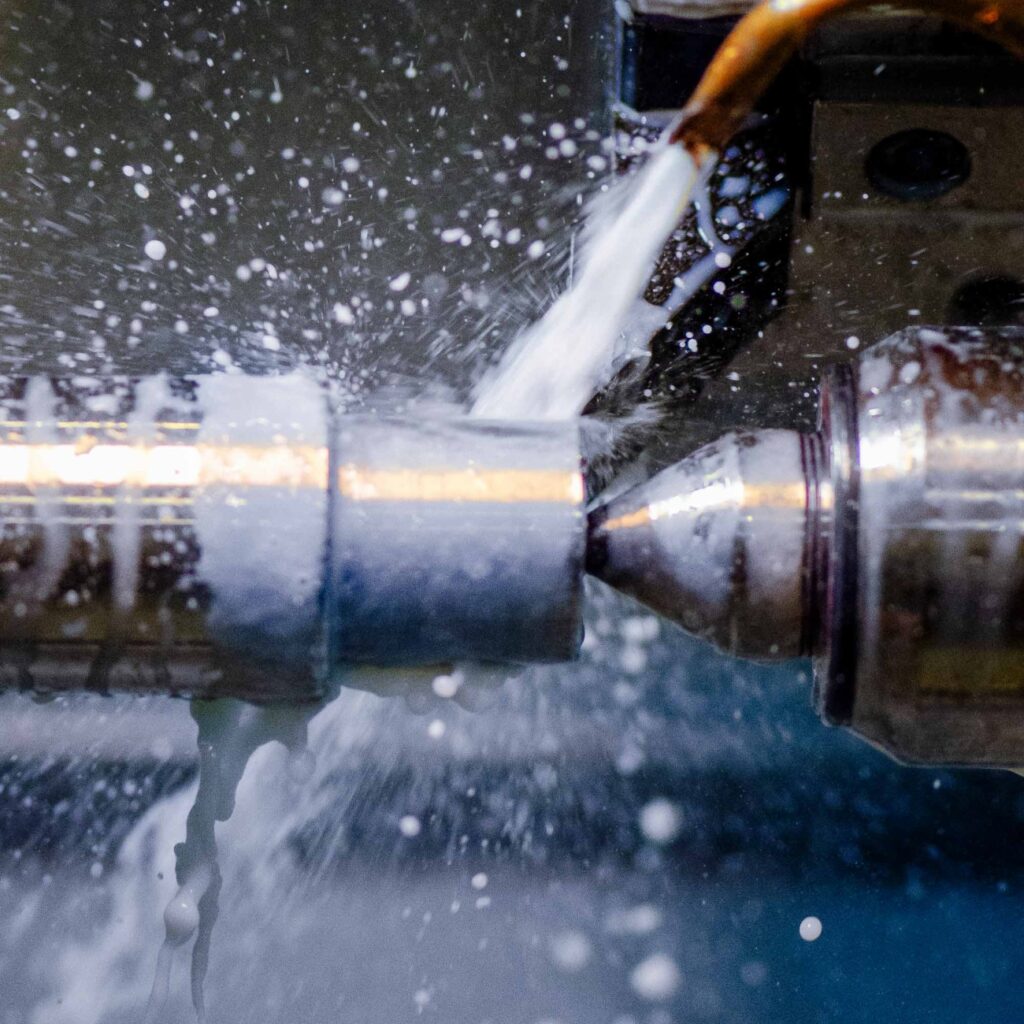
Ester-Based Metalworking Fluids Futura S AERO LANDOIL
Futura S AERO LANDOIL, an ester-based metalworking fluid, offers a medium oil content, ideal for machining in the aerospace sector. -
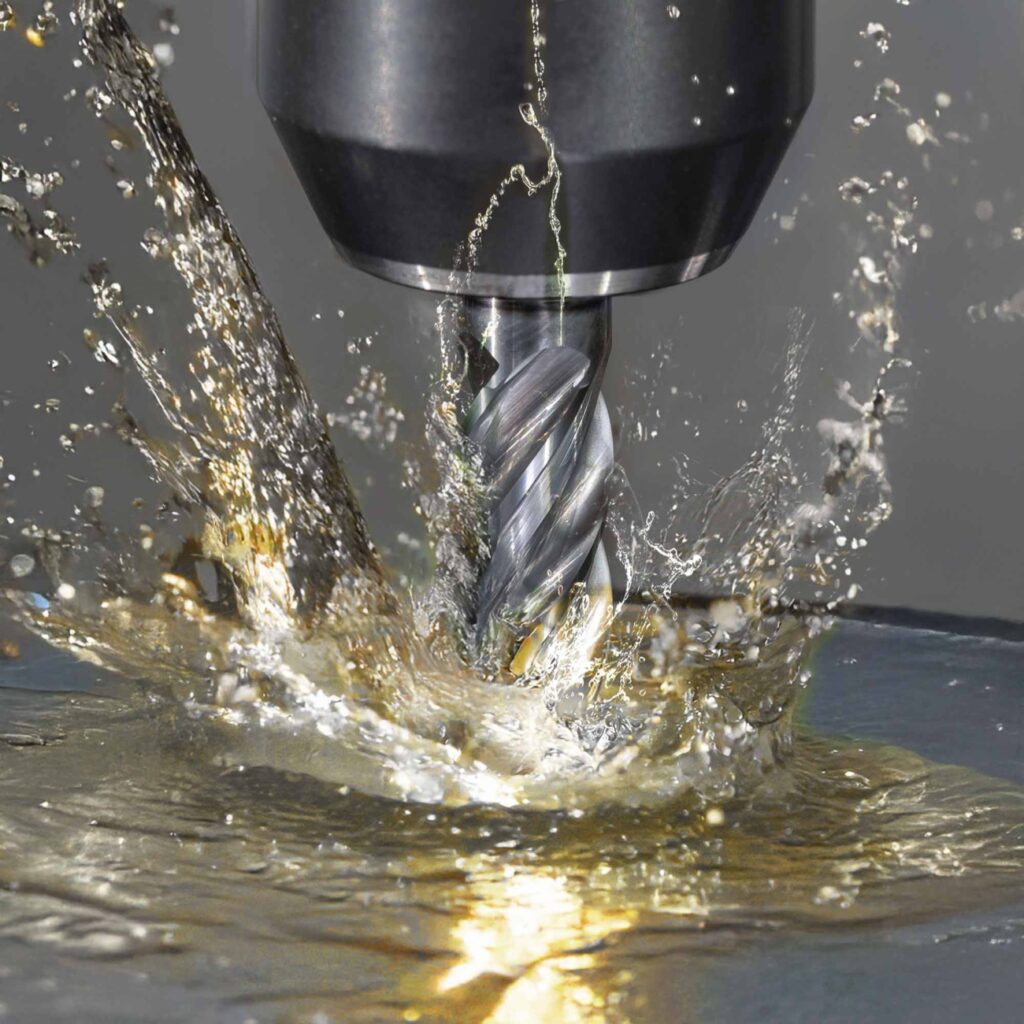
Ester-Based Metalworking Fluids Futura S CI LANDOIL
Futura S CI LANDOIL ester-based metalworking fluid offers medium oil content for general machining and excellent performance on cast iron. -

Ester-Based Metalworking Fluids Futura S LANDOIL
Futura S ester-based metalworking fluid from LANDOIL offers a medium oil content, ideal for light to medium machining, ensuring efficiency and quality. -
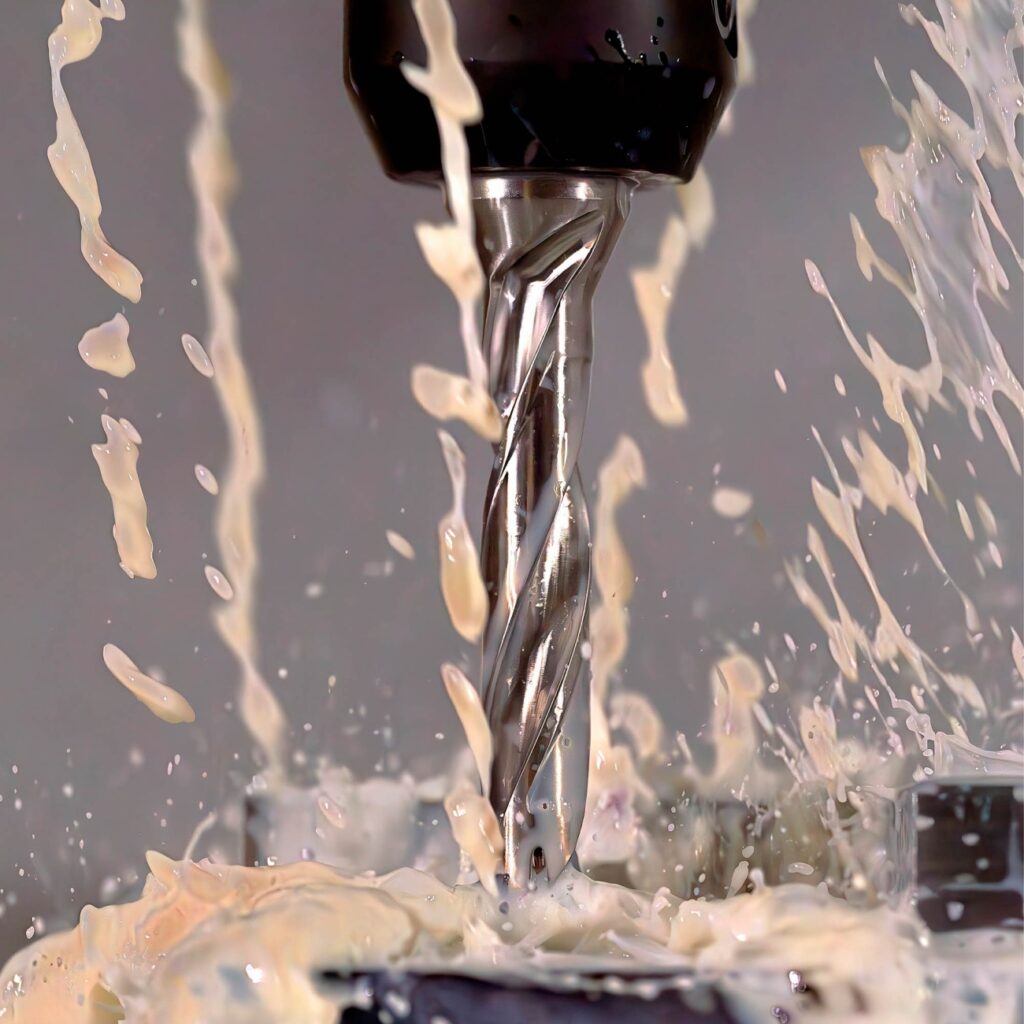
Ester-Based Metalworking Fluids Futura S UNI AL LANDOIL
The Futura S UNI AL LANDOIL ester-based metalworking fluid offers a medium oil content for universal machining, ensuring efficiency and versatility. -

Ester-Based Metalworking Fluids Futura S UNI LANDOIL
Futura S UNI LANDOIL ester-based metalworking fluid with medium oil content for general-purpose machining, ideal for optimum performance. -
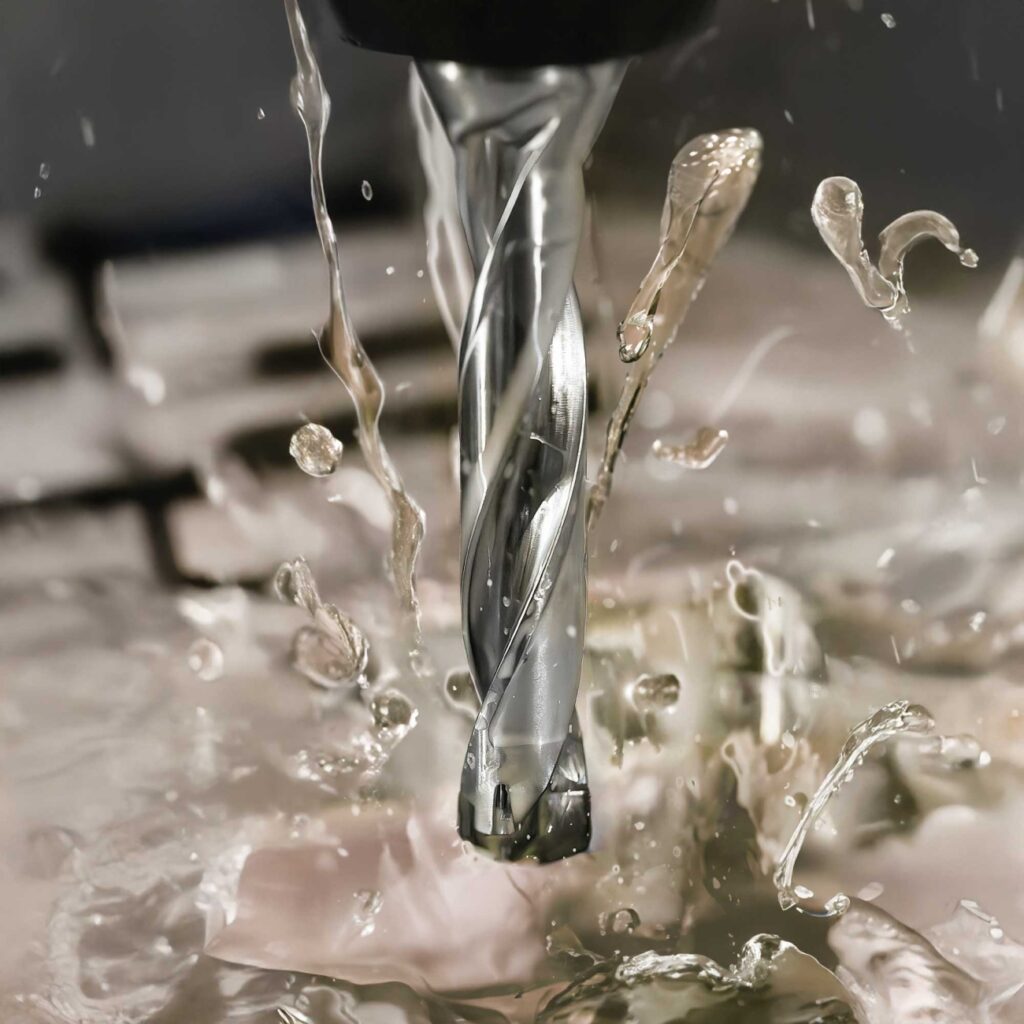
Ester-Based Metalworking Fluids Futura S UNI Plus LANDOIL
LANDOIL Futura S UNI Plus ester-based metalworking fluid with medium oil content for general-purpose machining.
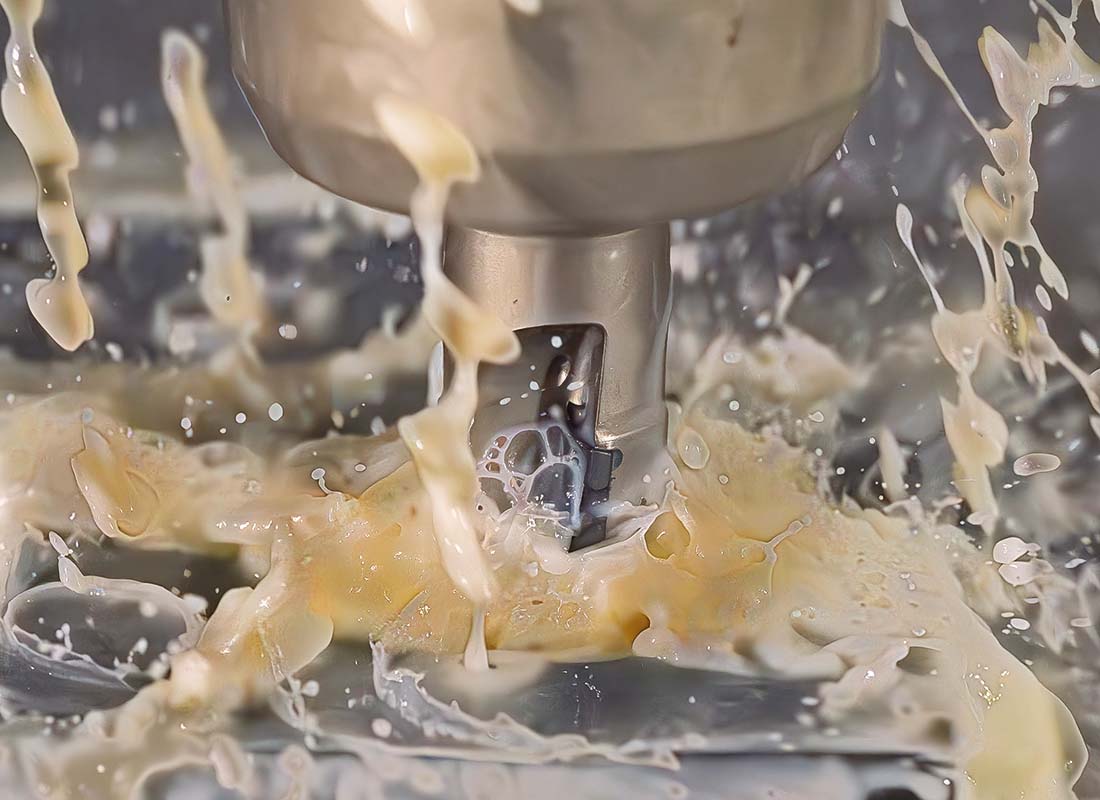
Water miscible, ester-based metalworking fluids are innovative fluids
that combine lubrication and cooling for machining. The ester bases provide excellent lubricity combined with high thermal stability and biodegradability, reducing operator risk and improving environmental safety with a focus on sustainability.
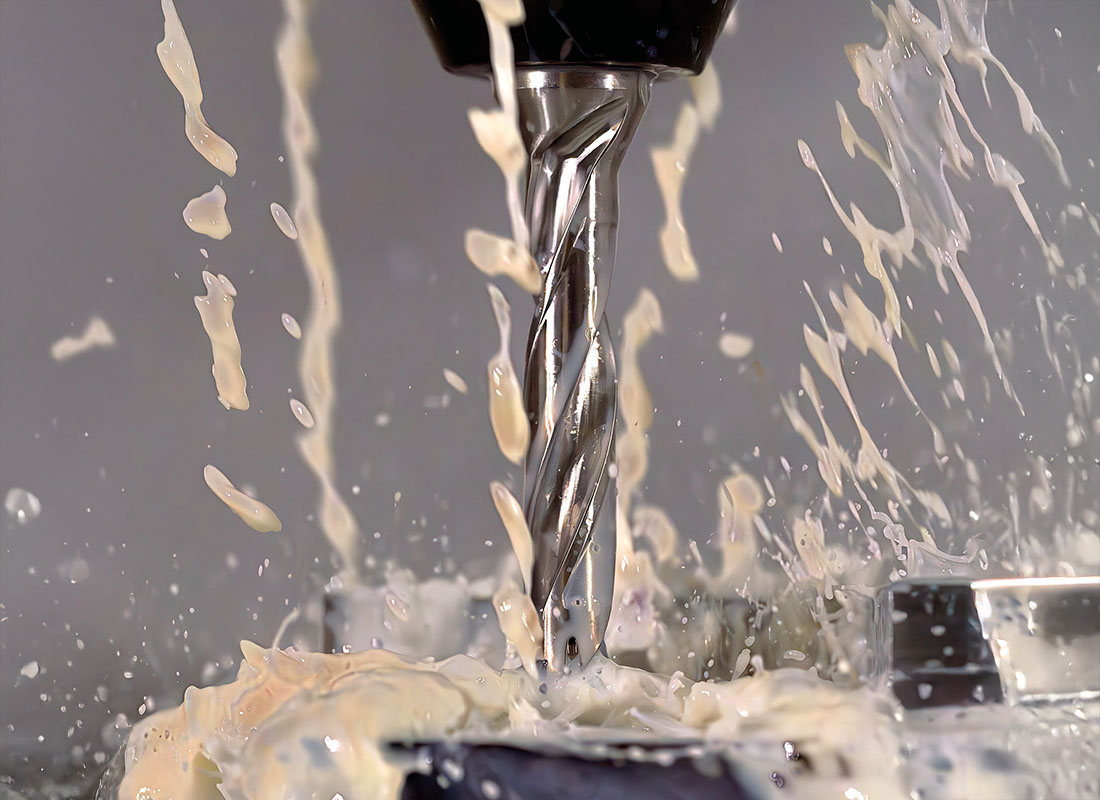
These metalworking fluids offer excellent heat dissipation
and effective friction reduction, improving machining quality and tool life. Being easily miscible in water, they are easy to handle and contribute to a safer working environment by reducing harmful vapours and risks associated with traditional lubricants.
Water-miscible, ester-based metalworking fluids are an advanced solution for improving the performance of machine tools, reducing wear and increasing tool life. Due to their chemical composition, these fluids offer optimal lubrication and effective cooling, which are essential for cutting and metalworking operations.
Features of water-miscible, ester-based metalworking fluids
Water-miscible, ester-based metalworking fluids are formulated to combine the lubricating properties of oils with the cooling capacity of water. The ester-based, derived from natural or synthetic sources, gives the fluid superior thermal stability and improved biodegradability compared to traditional lubricants. These fluids are designed to be diluted with water, creating a stable emulsion that offers excellent corrosion protection and reduced friction between tools and machined parts.
Advantages of using ester-based water-miscible metalworking fluids
The adoption of water-miscible, ester-based metalworking fluids in machine shops has several advantages. Firstly, their ability to reduce friction and dissipate heat extends tool life, reducing maintenance and replacement costs. In addition, their eco-friendly formulation contributes to a safer and more sustainable working environment, minimising environmental impact. Easy disposal and reduced hazardous waste are further benefits that make these fluids a responsible choice for modern businesses.
Practical applications in machine shops
In machine shops, ester-based water-miscible metalworking fluids are used in a wide range of applications, including milling, turning, drilling and grinding. Their ability to form a durable lubricating film and effectively cool contacts surfaces makes them ideal for high-speed, high-precision machining. In addition, their compatibility with various materials, such as steel, aluminium and special alloys, makes them versatile and suitable for a variety of production requirements.
How to choose the right ester-based water-miscible metalworking fluid
The choice of the most suitable metalworking fluid depends on various factors, including the type of machining operation, the workpiece material and the technical specifications of the machine tools. It is important to consider the optimal fluid concentration, which can vary depending on the operating conditions and the specific requirements of the production process. Furthermore, it is essential to assess the compatibility of the metalworking fluid with the materials used and the applicable environmental regulations, to ensure safe and efficient use.
Maintenance and Handling of Water-Miscible Metalworking Fluids with Ester-Based
Proper maintenance of water-miscible, ester-based metalworking fluids is essential to maintain performance and prolong service life. It is important to regularly monitor the concentration of the fluid, its stability and the presence of contaminants. Adopting proper management practices, such as filtration and recirculation, can help maintain metalworking fluid effectiveness and reduce operating costs. In addition, training personnel on the correct and safe use of these fluids is crucial to optimise results and ensure a safe working environment.
Frequently Asked Questions about water-miscible metalworking fluids with ester-based bases
What are water-miscible, ester-based metalworking fluids?
Water-miscible, ester-based metalworking fluids are fluids used in machining to lubricate and cool tools and workpieces.
What are the advantages of ester-based metalworking fluids compared to other types?
They offer better thermal stability, biodegradability and reduced friction, prolonging tool life and reducing environmental impact.
How are water-miscible metalworking fluids used?
They are diluted with water to form a stable emulsion, which is applied during machining to lubricate and cool.
Which materials can be machined with these metalworking fluids?
They are compatible with a wide range of materials, including steel, aluminium and special alloys.
How do I choose the most suitable metalworking fluid?
The choice depends on the type of machining, the workpiece material and the technical specifications of the machine tools.
What are the maintenance practices for these metalworking fluids?
Monitor the concentration, stability and presence of contaminants, and adopt filtration and recirculation practices.
Are they safe for the environment?
Yes, due to their environmentally friendly formulation, they reduce environmental impact and facilitate disposal.
What are the regulations to consider when using these metalworking fluids?
It is important to comply with current safety and environmental regulations to ensure safe and efficient use.
How do they affect tool life?
By reducing friction and dissipating heat, they extend tool life and reduce maintenance costs.
What are the challenges in using water-miscible metalworking fluids?
Concentration management and contamination prevention are common challenges that require attention and regular maintenance.
Over 150 pages of some of the safest products on the market
Download now