


Refrigerants
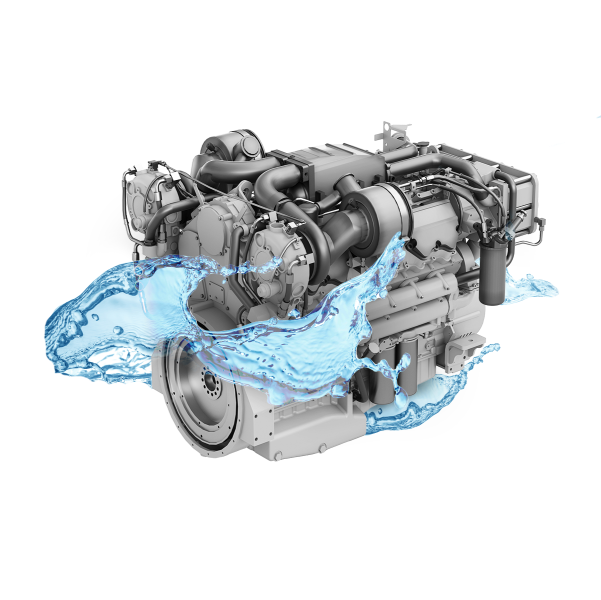
In the context of machine shops and industrial applications, cooling fluids play a crucial role. Read more
-

Refrigerant fluid Antifrost BLUE ECO LANDOIL
Coolant fluid for passenger car, commercial vehicle and bus engines with iron or aluminium radiators, excellent toxicological profile. -
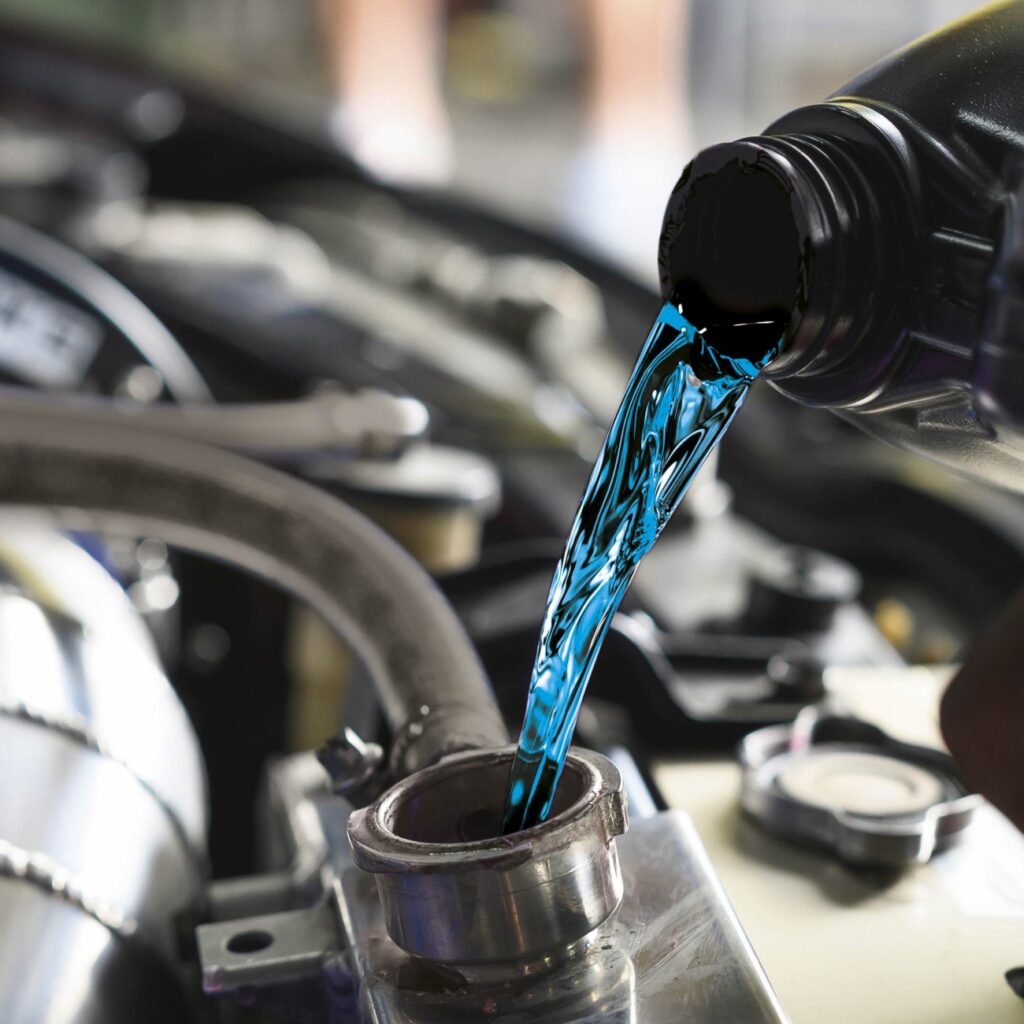
Refrigerant fluid Antifrost BLUE LANDOIL
LANDOIL Antifrost BLUE coolant guarantees optimal performance and long-lasting protection for your cooling system.
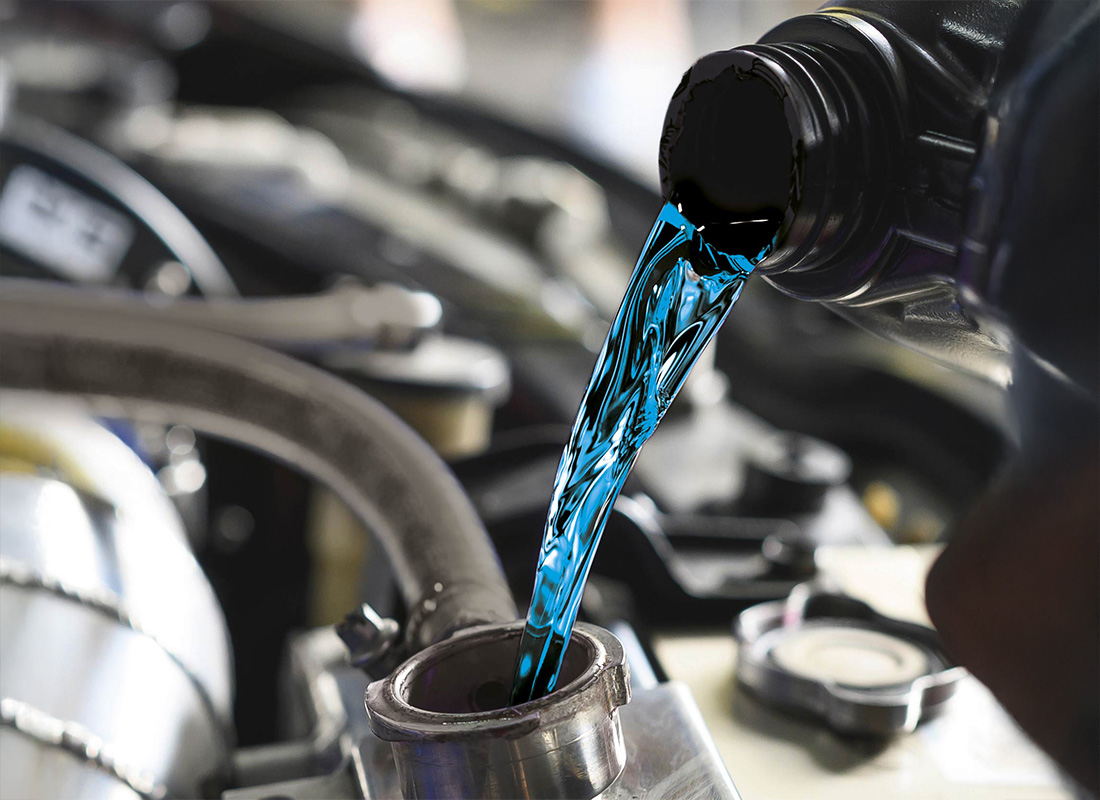
Coolant fluids are essential for dissipating the heat generated during machining, keeping temperatures under control.
These fluids improve operational stability and protect machine tool components from thermal wear, ensuring longer tool life and safer, more precise machining.
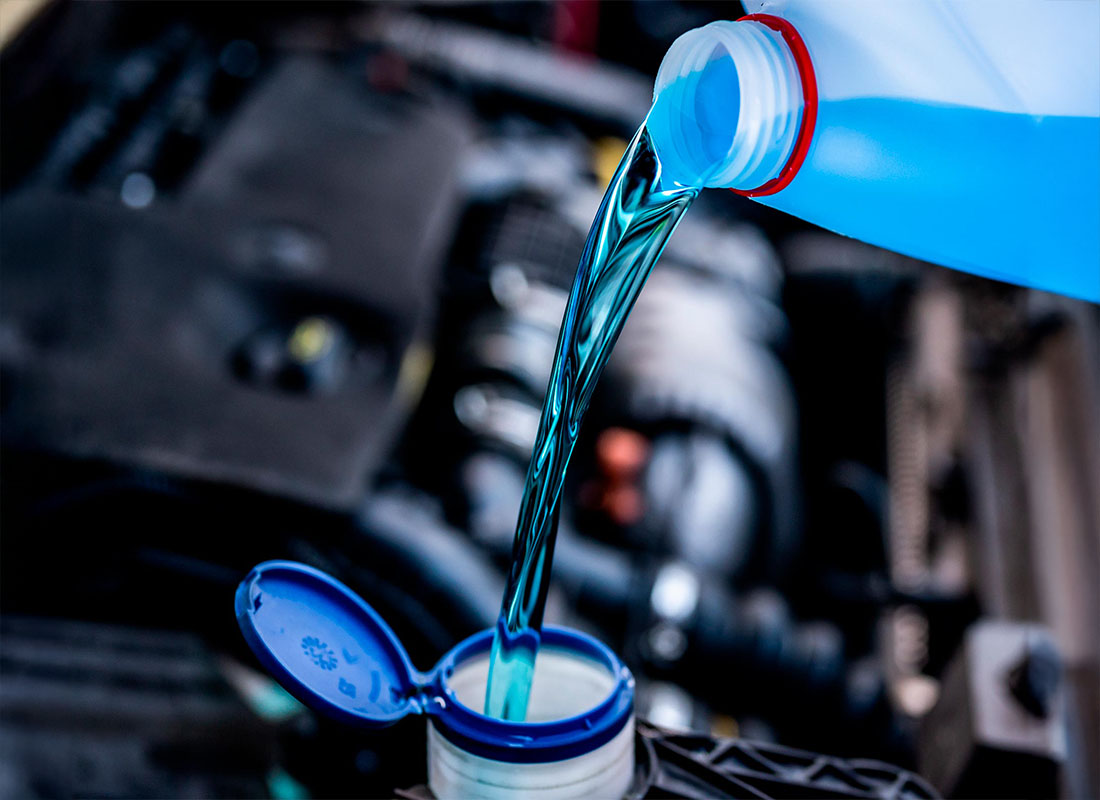
Designed to operate in high and very low temperature conditions, coolants offer excellent heat transfer capability
and prevent components from overheating. Using the right coolants not only improves energy efficiency, but also contributes to a safe working environment by reducing the risk of malfunctions.
These chemical compounds are designed to absorb and dissipate the heat generated during mechanical processes, thus ensuring the proper functioning of machines and the safety of operators. Their importance cannot be underestimated, as an ineffective cooling system can lead to mechanical failure, reduced equipment life and, in extreme cases, work-related accidents.
What are refrigerants?
Refrigerants are substances used to transfer heat from one point to another, keeping machine operating temperatures within safe limits. These fluids can be liquid or gaseous and are formulated to have specific thermal properties that make them suitable for various industrial applications. Their chemical composition is designed to ensure high heat absorption capacity, low viscosity and corrosion resistance.
What are refrigerants used for?
The main use of refrigerants is to prevent mechanical equipment from overheating. During operation, machines generate heat due to friction and chemical reactions. Without proper cooling, this heat can build up, leading to performance deterioration and potential damage. Cooling fluids help keep temperatures under control, improving operating efficiency and prolonging machine life.
How are refrigerants used?
The application of refrigerants varies depending on the type of machine and industrial process. In general, these fluids are pumped through a piping system that brings them into contact with hot surfaces. Heat is absorbed by the fluid, which then dissipates it through a heat exchanger or radiator. It is essential to regularly monitor the level and quality of the cooling fluid to ensure optimal operation of the cooling system.
Advantages of using refrigerants
There are several advantages to using high-quality refrigerants. Firstly, they help improve the energy efficiency of machines, reducing the energy consumption required to maintain operating temperatures. They also protect equipment from corrosion and wear, reducing maintenance and repair costs. Finally, an effective cooling system improves workplace safety by preventing the risk of overheating and fires.
FAQ on refrigerants
What are the most common types of refrigerants?
The most common types include ethylene glycol, propylene glycol and mineral oils.
How do I choose the right coolant for my application?
The choice depends on the specific thermal and chemical requirements of the industrial process.
Are refrigerants dangerous to the environment?
Some fluids can be harmful if not handled correctly; it is important to follow environmental regulations.
How often should I replace the refrigerant fluid?
The frequency depends on the use and type of fluid, but an annual check is generally recommended.
What are the signs of an ineffective refrigerant?
Signs include overheating, fluid leaks and changes in colour or odour.
Can I mix different types of refrigerants?
In general, it is not recommended to mix different fluids because of possible chemical reactions.
What is the difference between a coolant and a lubricant?
A refrigerant dissipates heat, whereas a lubricant reduces friction between surfaces.
How can I dispose of used refrigerants correctly?
You must follow local guidelines for the disposal of hazardous waste.
Can refrigerants freeze?
Some fluids can freeze at low temperatures; it is important to choose a fluid suitable for the operating conditions.
What are the safety regulations for the use of refrigerants?
Regulations vary by region, but generally include requirements for safe handling and storage.



Over 150 pages of some of the safest products on the market
Download now