


Hydraulic oils
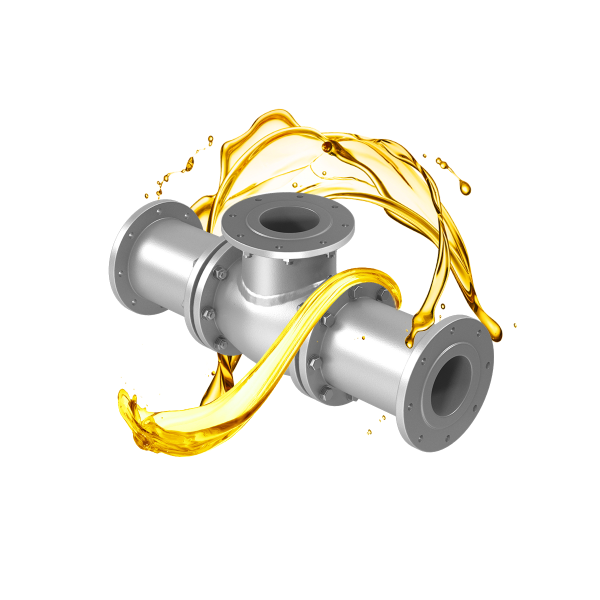
Hydraulic oils are a key component in the operation of industrial machinery and equipment used in machine shops. Read more
-

Hydraulic oil ester bases Abacus BIO LANDOIL
Abacus BIO LANDOIL ester-based hydraulic oil is biodegradable, ideal for environmentally friendly applications requiring high performance and sustainability. -
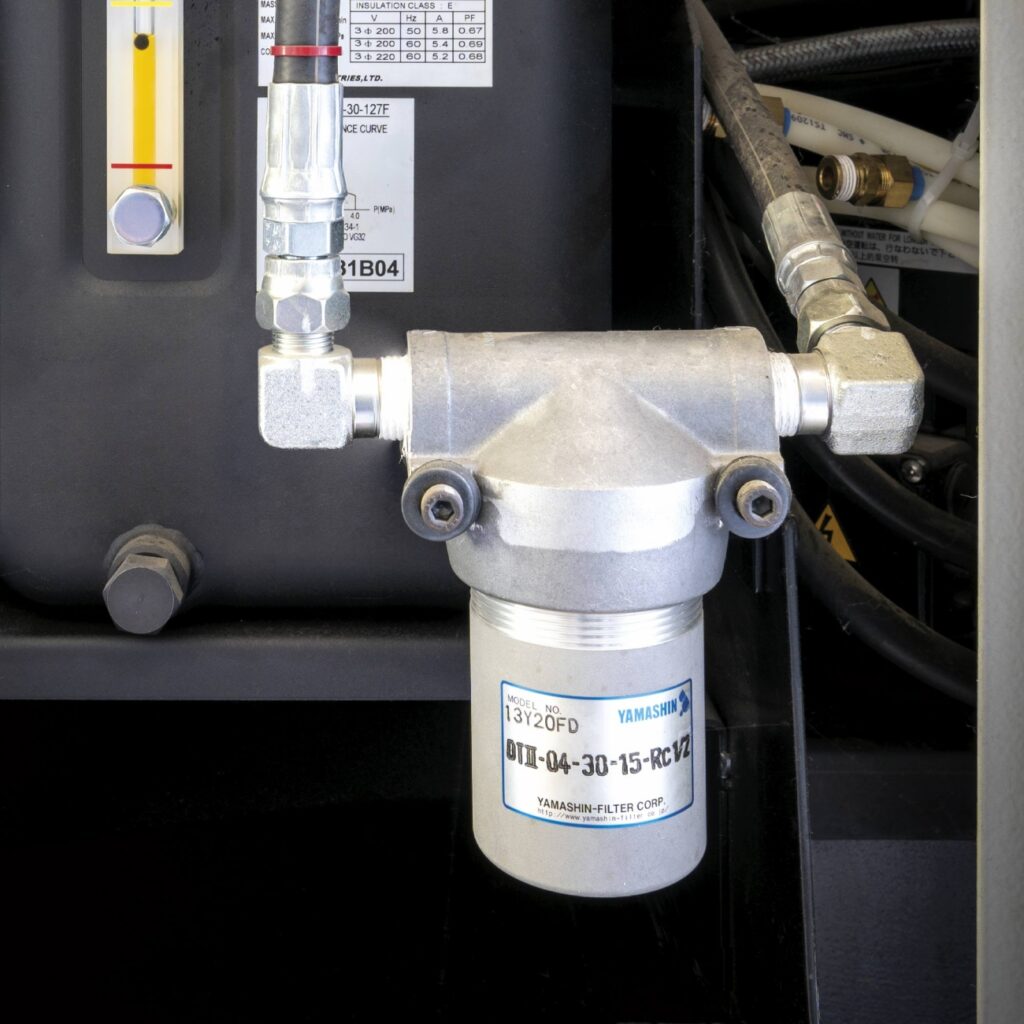
Mineral-based hydraulic oil Abacus HVI LANDOIL
Abacus HVI LANDOIL mineral-based hydraulic oil with a high viscosity index for optimal, long-lasting performance in hydraulic systems. -
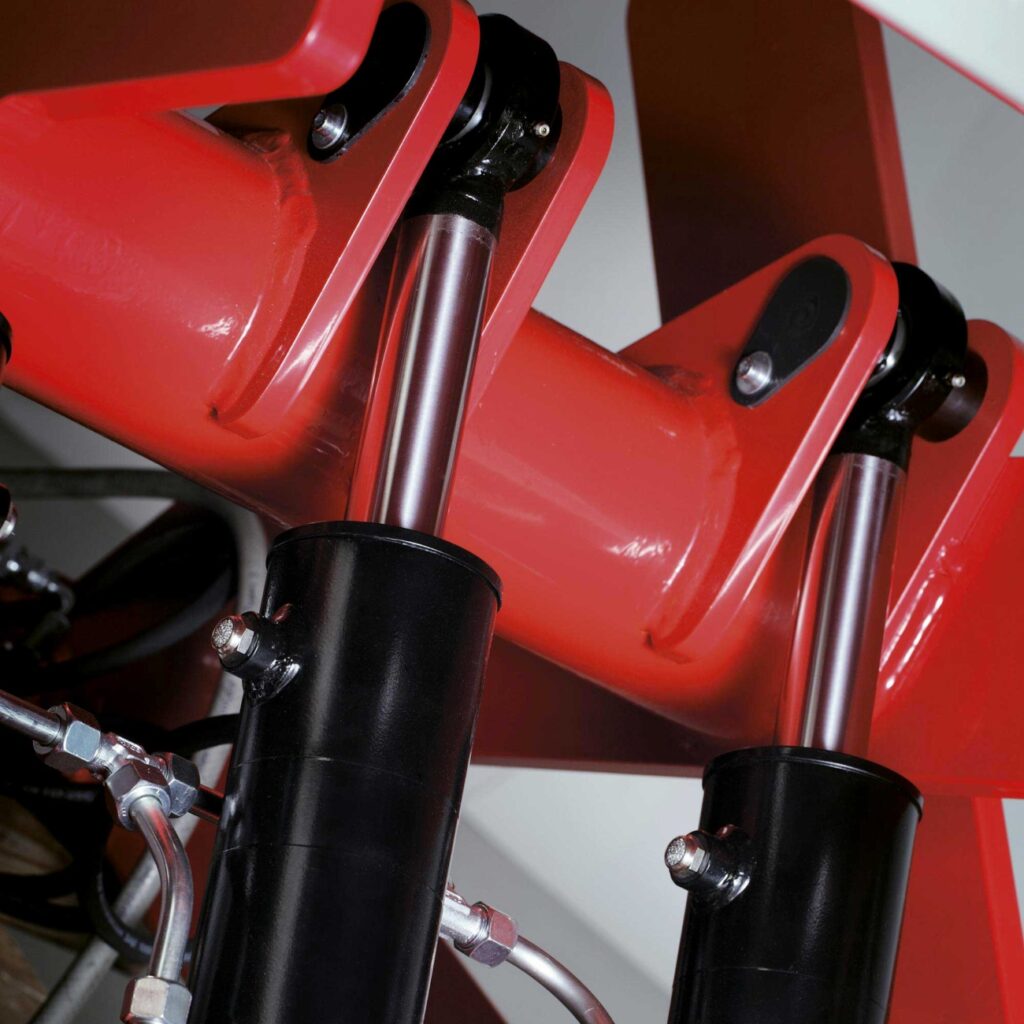
Mineral-based hydraulic oil Abacus LANDOIL
Abacus LANDOIL mineral-based hydraulic oil offers an excellent natural viscosity index for superior and reliable performance in every application

Hydraulic oils are essential fluids for the efficient operation of hydraulic systems
ensuring force transmission and lubrication of internal components. Formulated to withstand high operating pressures, these oils with high thermal stability protect against wear and prevent corrosion, ensuring consistent performance.
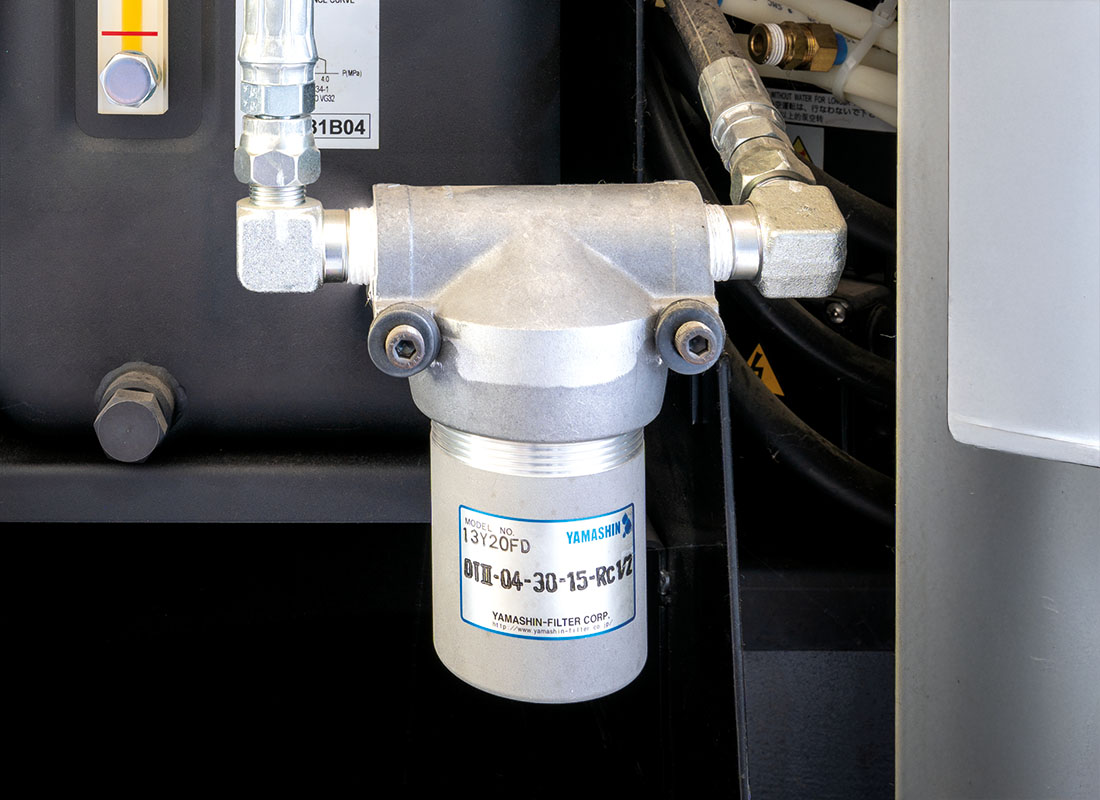
The use of high-quality hydraulic oils is critical to maintaining the efficiency of hydraulic systems
reducing downtime and maintenance costs. These oils offer advanced protection against foaming and deposit formation, improving operational safety and extending equipment life, even under extreme conditions.
These specialised fluids are designed to transmit power within hydraulic systems, ensuring efficient and safe operation of equipment. In this article, we will explore in detail what hydraulic oils are, what they are used for, how they are used, and what benefits they offer. In addition, we will answer ten frequently asked questions to provide a complete understanding of this topic.
Understanding hydraulic oils: composition and features
Hydraulic oils are fluids specifically formulated for use in hydraulic systems. Their composition is designed to ensure properties such as lubrication, corrosion protection, oxidation resistance and thermal stability. Hydraulic oils generally consist of a mineral or synthetic oil base, to which additives are added to improve performance. Additives may include anti-wear agents, anti-foaming agents, antioxidants and corrosion inhibitors.
Operation and applications of hydraulic oils in machine shops
Hydraulic oils are used in a wide range of industrial applications, including hydraulic presses, machine tools, lifting systems and material handling equipment. Their main function is to transmit power through the hydraulic system, enabling the controlled movement of mechanical components. In addition, hydraulic oils play a crucial role in the lubrication of moving parts, reducing friction and wear, and helping to extend the life of equipment.
Benefits of using high-quality hydraulic oils
The use of high-quality hydraulic oils offers numerous advantages for machine shops. First of all, they ensure optimal operating efficiency, reducing energy consumption and improving machine performance. In addition, they protect hydraulic system components from wear and corrosion, reducing the need for maintenance and costly repairs. Superior hydraulic oils also offer greater thermal stability, enabling reliable operation of equipment over a wide temperature range.
Selecting and maintaining hydraulic oils: best practices
Choosing the right hydraulic oil is crucial to ensure proper functioning of hydraulic systems. It is important to consider factors such as viscosity, compatibility with system materials and operating conditions. Regular maintenance is equally crucial to maintain the optimal performance of hydraulic oils. This includes monitoring fluid cleanliness, checking contamination levels and periodically replacing the oil according to the manufacturer's recommendations.
Frequently asked questions about hydraulic oils
What are the main functions of hydraulic oils?
Hydraulic oils mainly serve to transmit power, lubricate moving components and protect the hydraulic system from corrosion and wear.
How do I choose the right hydraulic oil for a specific application?
The choice of hydraulic oil depends on factors such as the required viscosity, compatibility with system materials and specific operating conditions.
What are the signs of a degraded hydraulic oil?
Signs of a degraded hydraulic oil include colour changes, foaming, unpleasant odour and reduced system performance.
How often should hydraulic oil be changed?
The frequency of hydraulic oil replacement depends on the manufacturer's recommendations and operating conditions, but regular checks are generally recommended.
What are the risks of using low-quality hydraulic oils?
The use of low-quality hydraulic oils can lead to increased component wear, operational inefficiency, system failure and high maintenance costs.
Are hydraulic oils compatible with all types of hydraulic systems?
Not all hydraulic oils are compatible with all systems. It is important to check compatibility with the materials and specifications of the system.
How should used hydraulic oils be properly disposed of?
Used hydraulic oils must be disposed of according to local regulations, often through specialised collection services to avoid environmental damage.
What are the differences between mineral and synthetic hydraulic oils?
Mineral hydraulic oils are derived from petroleum, whereas synthetic hydraulic oils are chemically formulated to offer superior performance in extreme conditions.
How does temperature affect the performance of hydraulic oils?
Extreme temperatures can affect the viscosity and stability of hydraulic oils, compromising the performance of the hydraulic system.
What are the best practices for storing hydraulic oils?
Hydraulic oils should be stored in sealed containers, away from sources of heat and moisture, to preserve their quality and performance.



Over 150 pages of some of the safest products on the market
Download now