


Mixers for emulsifiable oils
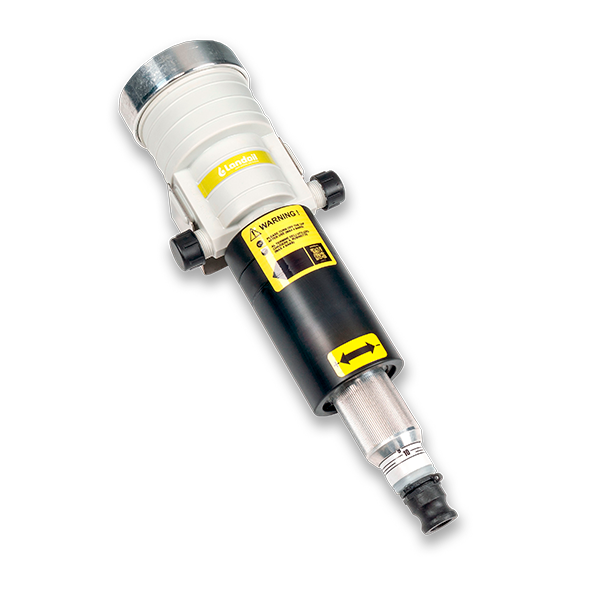
In the context of machine shops, efficiency and precision are key elements in ensuring the quality of the work performed. Read more

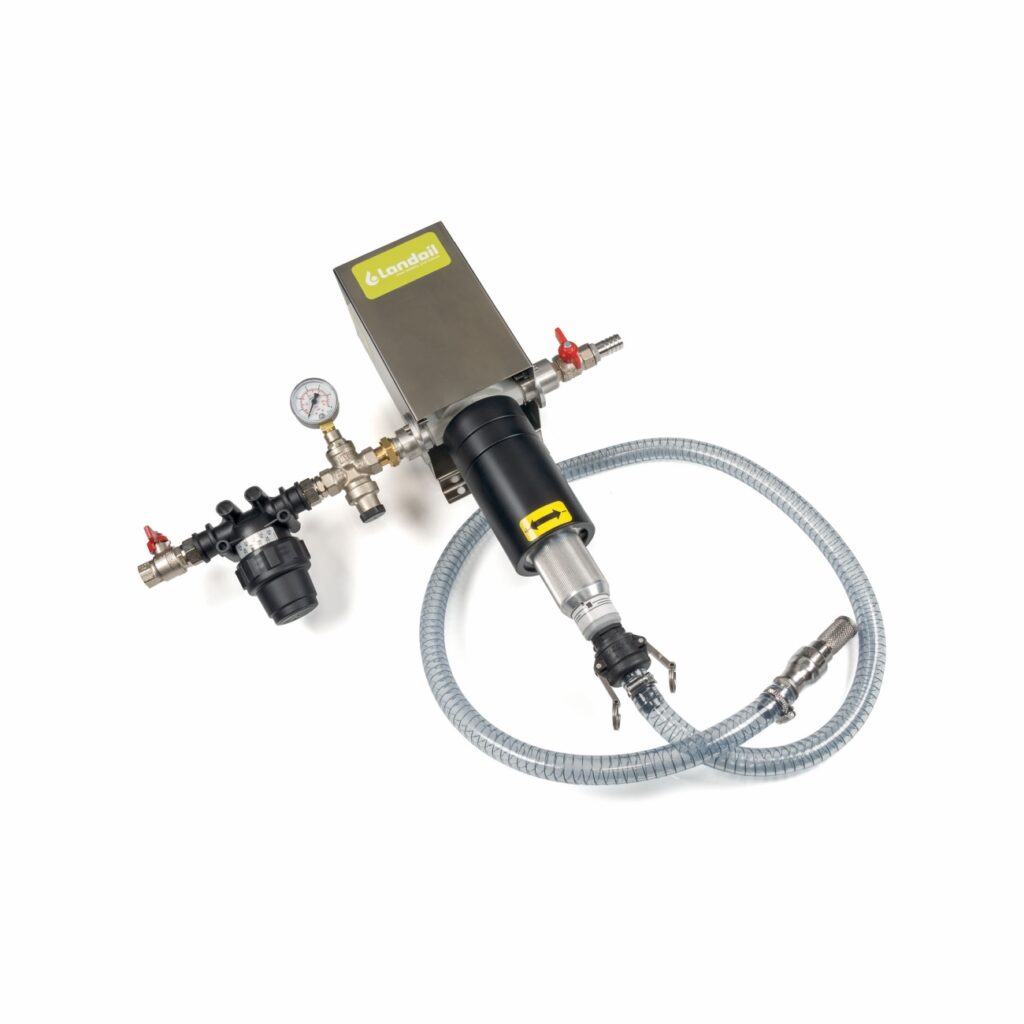
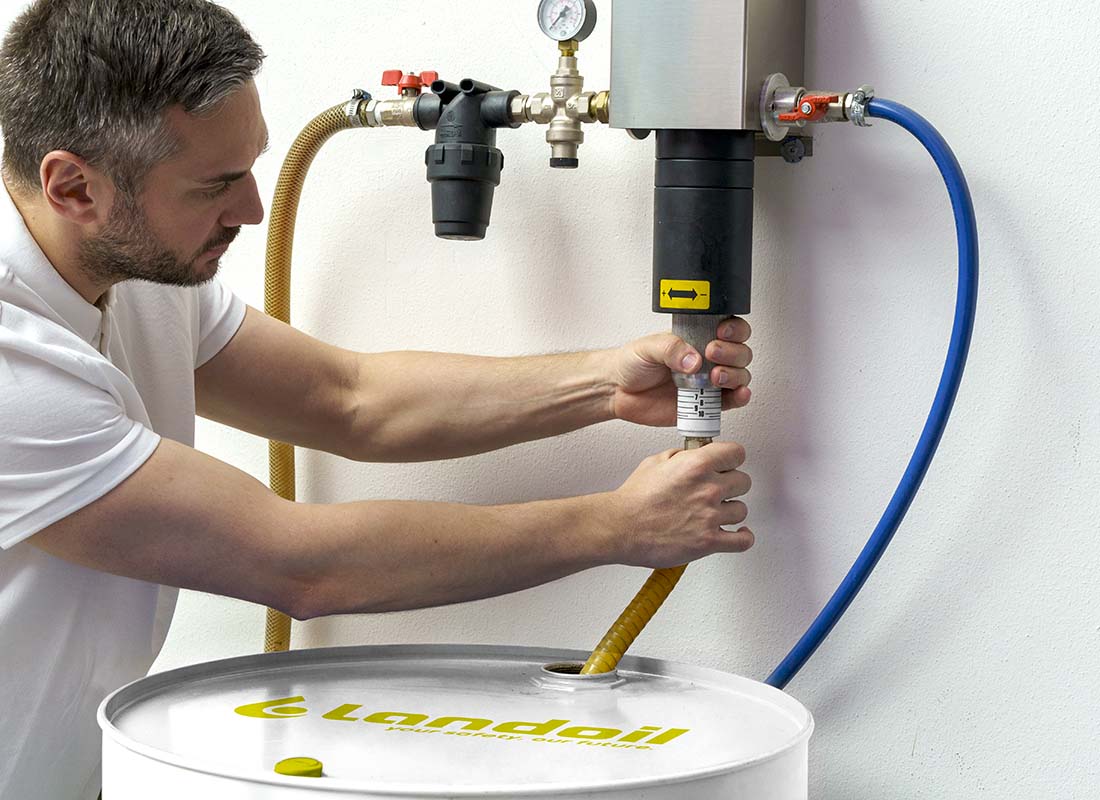
Industrial mixers are devices designed to homogenously combine various types of liquids.
Thanks to their precision and versatility, they guarantee an excellent quality of the final mixture, optimising production processes and reducing waste and processing time.
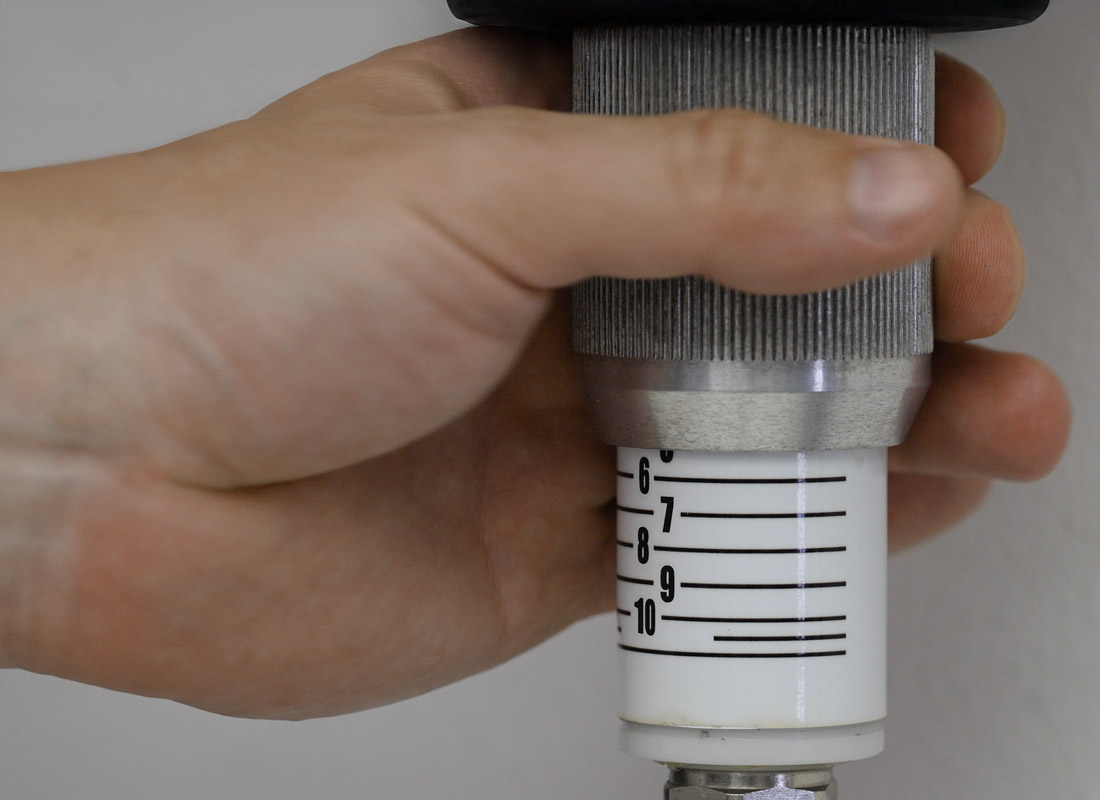
The use of industrial mixers enables uniform mixing even in the presence of viscous materials.
These tools are essential in sectors such as chemicals, food and cosmetics, improving process efficiency and ensuring compliance with safety and quality standards in production cycles.
Among the tools that help achieve these goals, emulsifiable oil mixers play a major role. These devices are designed to create stable emulsions between oils and water, which are essential for the optimal functioning of machinery and equipment. In this article, we will explore in detail what emulsifiable oil mixers are, what they are used for, how they are used, the benefits they offer, and answer frequently asked questions on this topic.
What are emulsifiable oil mixers?
Emulsifiable oil mixers are mechanical devices designed to combine oils and water into a homogeneous and stable mixture. These tools are essential in many industrial applications, particularly in machine shops, where oil emulsions are used as lubricants and coolants. The ability to create a uniform mixture is crucial to ensure that the lubricating and cooling properties are evenly distributed, thus improving the efficiency and durability of machinery.
What are mixers for emulsifiable oils used for?
Emulsifiable oil mixers are primarily used to produce stable emulsions of oil and water, which are used as processing fluids in metal cutting and machining processes. These emulsions act as lubricants, reducing friction between tools and workpieces, and as coolants, dissipating the heat generated during the machining process. The use of properly mixed emulsions helps to improve the quality of machined surfaces, extend tool life and reduce machine downtime.
How are emulsifiable oil mixers used?
The use of mixers for emulsifiable oils requires an understanding of the technical specifications of the device and the requirements of the machining process. In general, the mixing process starts with the selection of emulsifiable oil and water in the correct proportions. The mixer is then set to ensure uniform and continuous mixing. It is important to constantly monitor the quality of the emulsion produced, adjusting the mixer settings if necessary to maintain the stability and effectiveness of the mixture.
Benefits of using emulsifiable oil mixers
The use of mixers for emulsifiable oils offers numerous advantages in machine shops. Firstly, they ensure uniform mixing, which is essential for maintaining the lubricating and cooling properties of the emulsion. This results in greater operational efficiency, as it reduces tool wear and improves the quality of machined surfaces. In addition, the use of well-mixed emulsions contributes to lower operating costs, as it decreases the need for frequent tool changes and reduces machine downtime. Finally, emulsifiable oil mixers can help improve work safety by reducing the risk of overheating and mechanical failure.
Frequently asked questions about emulsifiable oil mixers
What are the main components of an emulsifiable oil mixer?
The main components include a motor, a mixing system, a tank for oil and water, and a control system to regulate mixing.
How do you choose the right mixer for your needs?
The choice depends on specific processing requirements, such as the type of oil used, the volume of emulsion required and the features of the process.
What are the signs of inadequate mixing?
Signs of inadequate mixing include separation of oil from water, foaming and a reduction in lubricating and cooling properties.
Is it possible to automate the mixing process?
Yes, many modern mixers offer automation options that allow you to programme and monitor the mixing process continuously.
What safety precautions should be taken when using mixers?
Precautions include wearing personal protective equipment, checking the condition of the mixer before use, and adhering to the manufacturer's guidelines.
How is a mixer for emulsifiable oils maintained?
Maintenance includes regular cleaning of the tank and components, checking the condition of the motor and mixing system, and replacing worn parts.
What are the consequences of poor-quality emulsion?
Poor quality emulsion can lead to accelerated tool wear, a reduction in the quality of machined surfaces and increased machine downtime.
Can different oils be used with the same mixer?
Yes, but it is important to check the compatibility of the oil with the mixer and adjust the mixing settings accordingly.
What is the average lifetime of a mixer for emulsifiable oils?
The average lifetime depends on the frequency and conditions of use, but with proper maintenance, a mixer can last several years.
How should spent emulsions be disposed of properly?
Spent emulsions must be disposed of according to local industrial waste regulations, often requiring the involvement of specialised waste treatment companies.
Over 150 pages of some of the safest products on the market
Download now