

Water miscible metalworking fluids
In the world of machine shops, efficiency and precision are key elements in ensuring the quality of the work performed. Read more
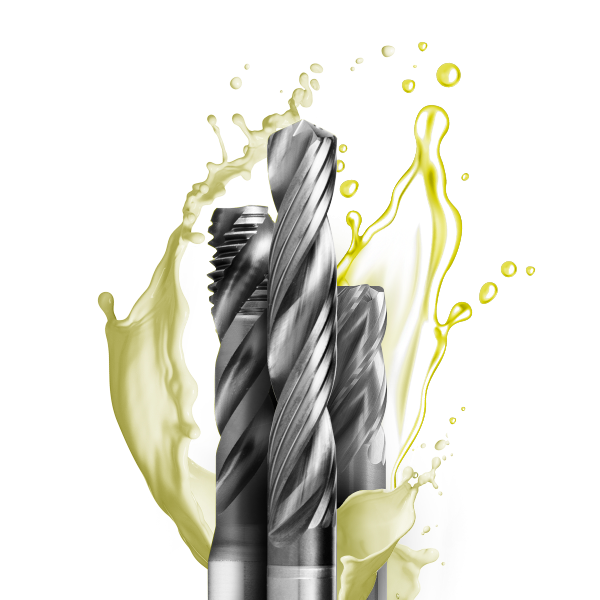
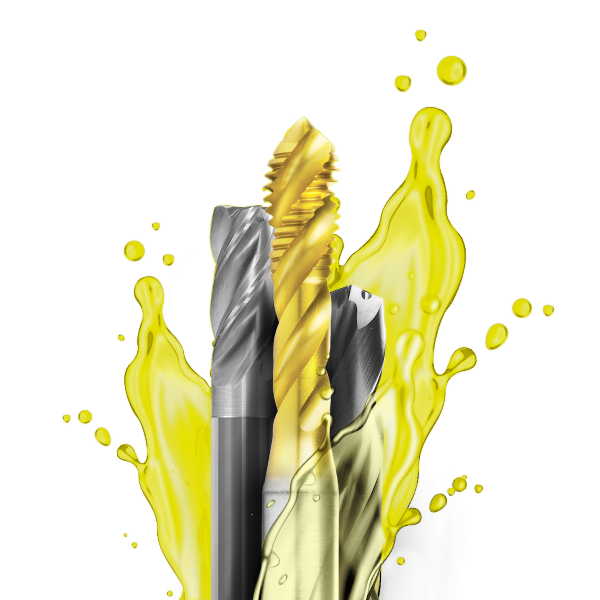
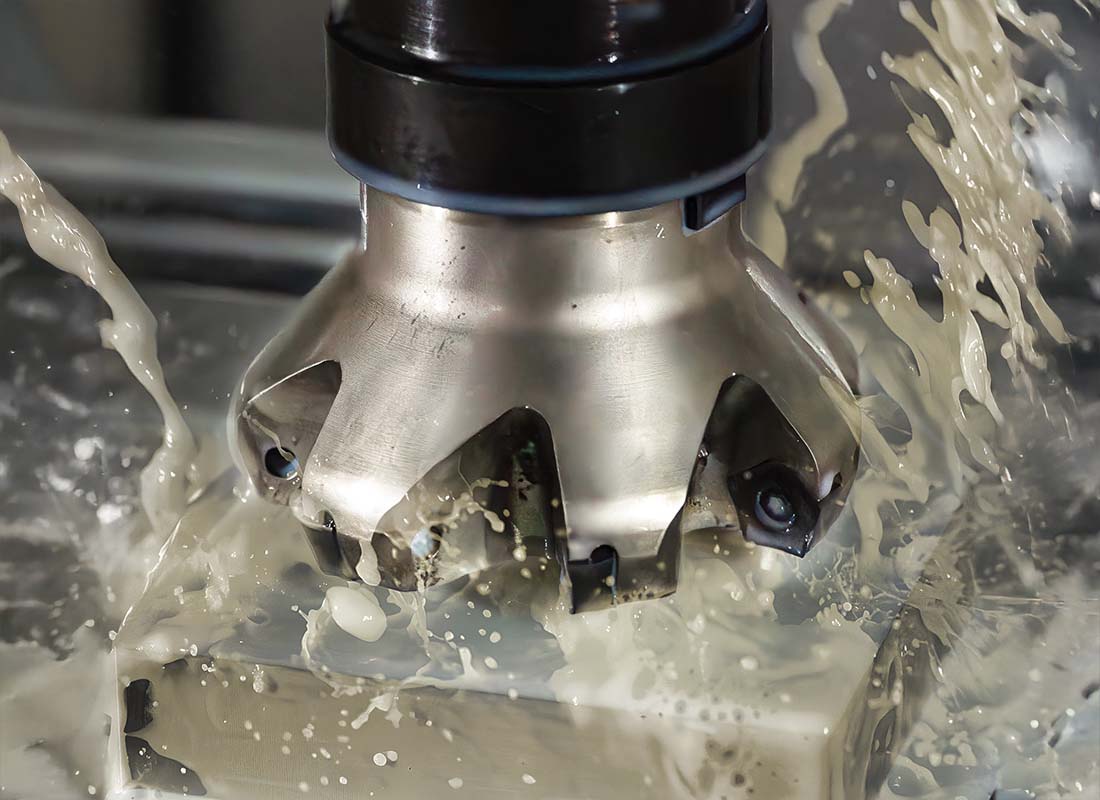
Water miscible cooling lubricants are fluids
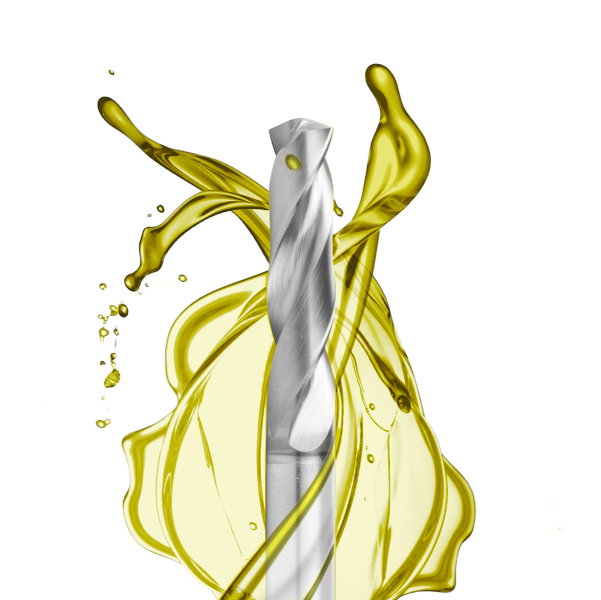
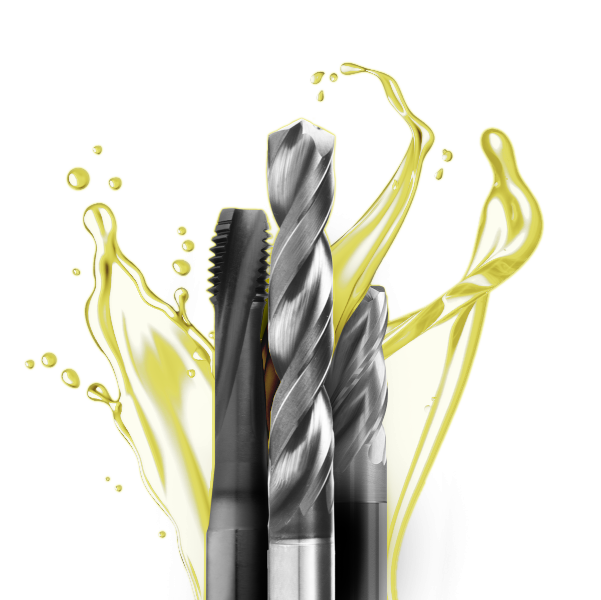
designed to combine the cooling properties of water with effective lubrication in machining operations. These products improve heat dissipation, reduce tool wear and increase precision, contributing to a safer working environment.
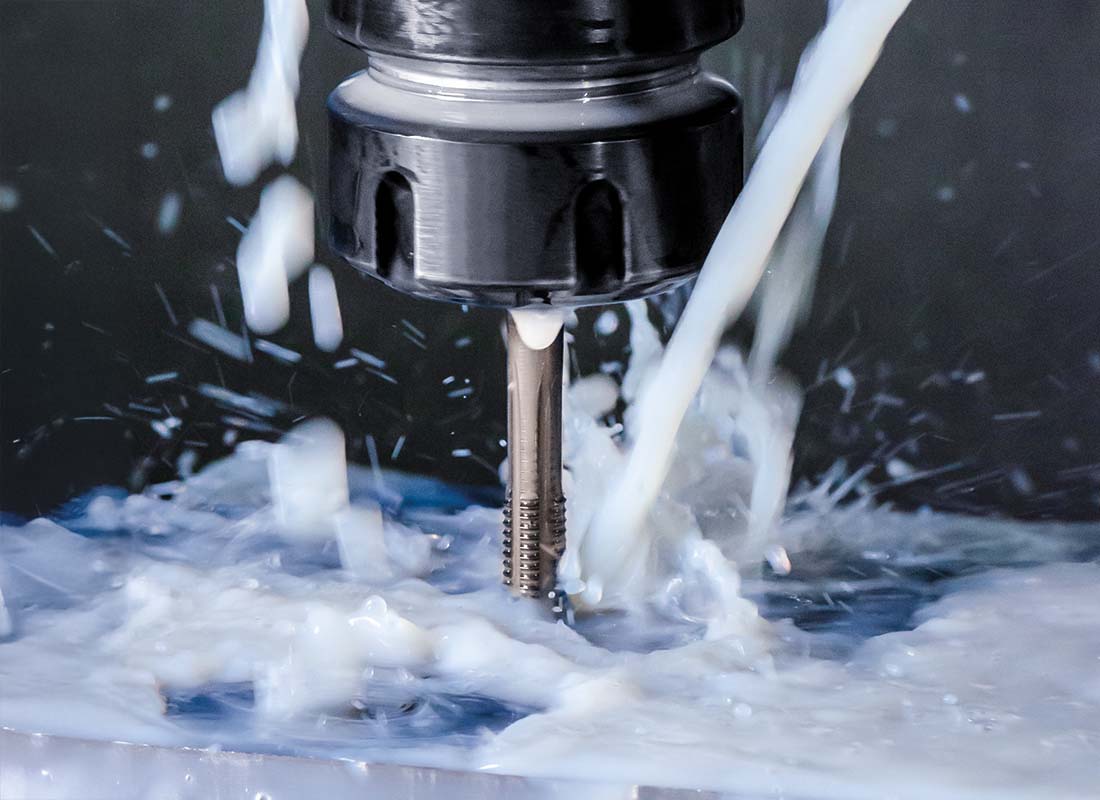
The use of Landoil water miscible cooling lubricants offers advantages for the operator and the environment.
They are manufactured with a highly safe formulation, minimising risks to operator health and the environment. By maintaining stable temperatures and reducing friction, these fluids also extend tool life and improve the efficiency of production processes.
A crucial aspect in achieving these goals is the use of water-miscible metalworking fluids. These fluids, essential for the optimal operation of machine tools, offer a number of benefits that improve not only the performance of equipment, but also the safety and environmental sustainability of operations.
What are water-miscible metalworking fluids?
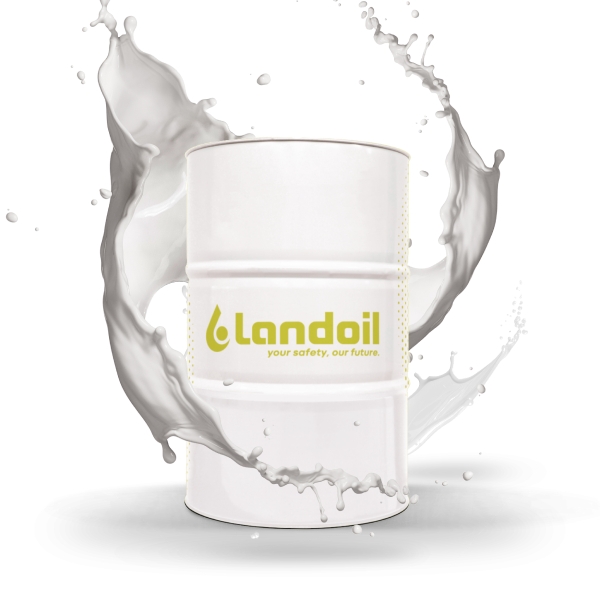
Water-miscible metalworking fluids are fluids used in machining operations to cool and lubricate tools and workpieces. These fluids consist of an oil base which, when mixed with water, forms a stable emulsion. The miscibility with water is a key feature that allows for an optimal balance between lubrication and cooling, reducing friction and dissipating the heat generated during cutting and milling operations.
What are water-miscible metalworking fluids used for?
The use of water-miscible metalworking fluids is essential for several reasons. Firstly, they improve tool life by reducing wear and preventing overheating. They also help improve the quality of machined surfaces, reducing burr formation and improving surface finish. These fluids are also instrumental in preventing corrosion of machined parts and machine tools, ensuring greater tool longevity.
How are water-miscible metalworking fluids used?
The application of water-miscible metalworking fluids requires care and precision. It is essential to follow the manufacturer's instructions regarding the concentration of the mixture, which must be appropriate for the type of work and the material being processed. Mixing must be done carefully, using special mixers to ensure a homogeneous emulsion. During use, it is important to constantly monitor the quality of the fluid, checking for contaminants and adjusting the concentration according to operational needs.
Advantages of water-miscible metalworking fluids
The adoption of water-miscible metalworking fluids offers numerous advantages. Among the main ones are reduced operating costs due to longer tool life and reduced maintenance downtime. In addition, these fluids are safer for operators, as they reduce the risk of fire and are less toxic than mineral oil-based lubricants. From an environmental point of view, water-miscible metalworking fluids are more sustainable, as they reduce environmental impact due to their biodegradability and less generation of hazardous waste.
Frequently asked questions about water-miscible metalworking fluids
What is the ideal concentration for water-miscible metalworking fluids?
The ideal concentration varies depending on the type of job and the material being processed, but is generally between 5% and 10%.
How is the quality of the emulsion checked?
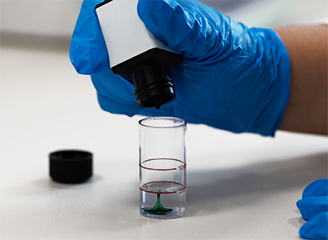
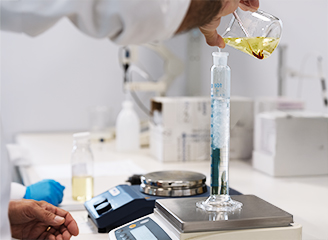
The quality of the emulsion can be verified by laboratory tests that analyse the stability, presence of contaminants and pH of the fluid.
What are the risks associated with the use of unsuitable metalworking fluids?
The use of unsuitable metalworking fluids can lead to accelerated tool wear, poor machined surface quality and increased operating costs.
How should used metalworking fluids be disposed of?
Used metalworking fluids must be disposed of according to local hazardous waste regulations, preferably via specialised industrial waste treatment companies.
Can water-miscible metalworking fluids be recycled?
Yes, it is possible to recycle metalworking fluids through filtration and regeneration processes, thus reducing environmental impact and disposal costs.
What are the signs of deterioration of a metalworking fluid?
Signs of deterioration include an unpleasant smell, a change in colour and the formation of foam or deposits.
How is metalworking fluid contamination prevented?
Contamination can be prevented by keeping tanks and circuits clean, using suitable filters and regularly monitoring the quality of the fluid.
Which materials are best suited for use with water-miscible metalworking fluids?
Water-miscible metalworking fluids are suitable for a wide range of materials, including steel, aluminium and light alloys.
What are the safety regulations for the use of metalworking fluids?
Safety regulations vary locally, but generally include the use of personal protective equipment and operator training.
How do I choose the right metalworking fluid for my needs?
The choice of metalworking fluid depends on the type of work, the material being processed and the specific operational needs of the workshop.
Over 150 pages of some of the safest products on the market
Download now