

 Blog
Blog
Nelle moderne attività di lavorazione meccanica e nei processi produttivi industriali, il lubrorefrigerante riveste un ruolo centrale per garantire il buon funzionamento delle macchine, preservare la qualità del prodotto finito e tutelare la salute degli operatori. Nonostante ciò, la sua gestione viene spesso considerata un aspetto secondario e affrontata solo quando emergono criticità evidenti, come fermi macchina, decadimento delle prestazioni o problematiche legate alla sicurezza sul lavoro.
In realtà, adottare un approccio proattivo nella gestione del lubrorefrigerante non significa semplicemente fare manutenzione: vuol dire mettere in campo una leva strategica concreta per migliorare al tempo stesso sicurezza operativa, continuità produttiva ed efficienza complessiva dell’officina.
Why is metalworking fluid management so important?
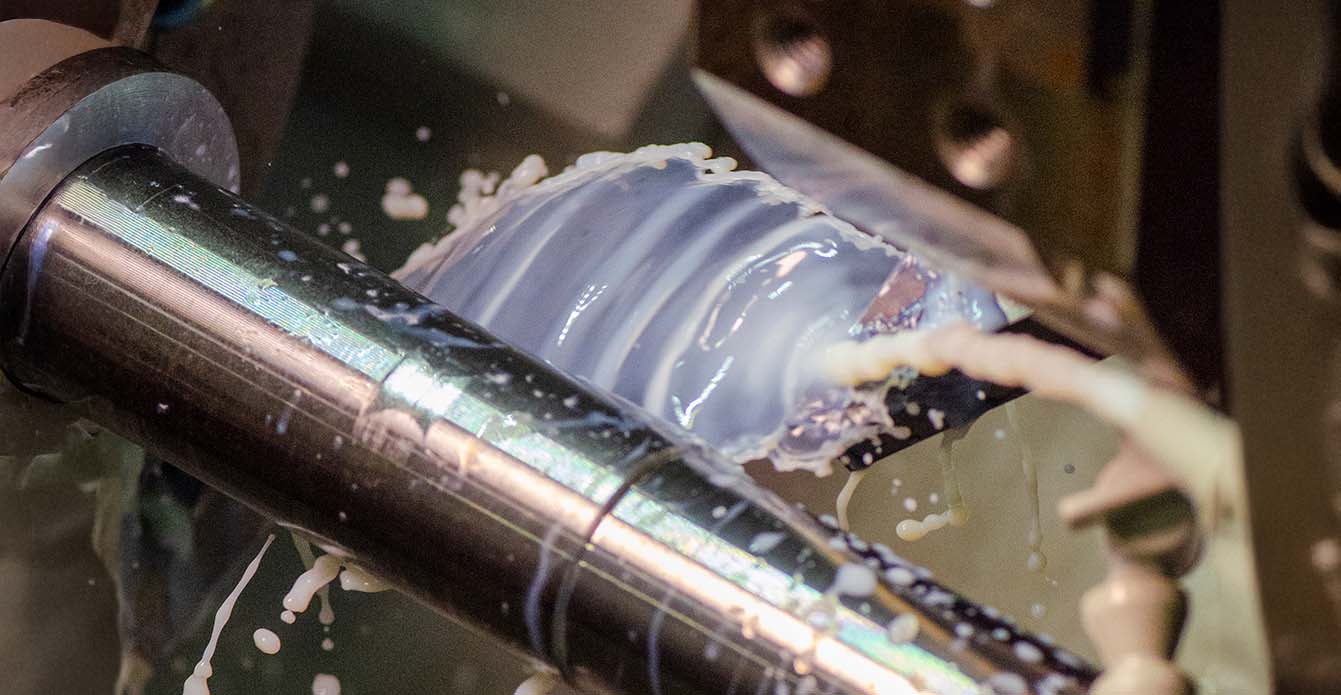
Metalworking fluid is not limited to the sole function of cooling. It is, in fact, an essential technical element, called upon to perform several fundamental functions within the production process.
First and foremost, it contributes to lubrication, reducing friction between the tool and the workpiece and thus minimising tool wear. At the same time, it ensures effective cooling, preventing surfaces from overheating and helping to maintain the workpiece’s dimensional accuracy. Another key function is the removal of swarf, which keeps the cutting area clean and facilitates smoother machining. Furthermore, the metalworking fluid also provides valuable corrosion protection, helping to preserve machinery, components and tools over time.
However, when metalworking fluid is not properly monitored and maintained, it can degrade very quickly. Under these conditions, it becomes a breeding ground for bacteria, can generate unpleasant odours and significantly compromise machining quality. From being a technical resource, it therefore risks becoming a source of inefficiency and critical issues.
Operator safety as a top priority
Operators are exposed to metalworking fluid on a daily basis during normal production activities. For this reason, inadequate management of the fluid can have direct consequences for their health and the safety of the working environment.
One of the most common problems concerns skin irritation and dermatitis, which can result from prolonged contact with contaminated, altered or incorrectly balanced fluids. Added to this are potential respiratory problems, often linked to the presence of mists or vapours, particularly where the metalworking fluid is not regularly de-oiled or has incorrect concentrations. Nor should the risk of slips and falls be underestimated, caused by leaks, splashes or spills that are not dealt with promptly and effectively.
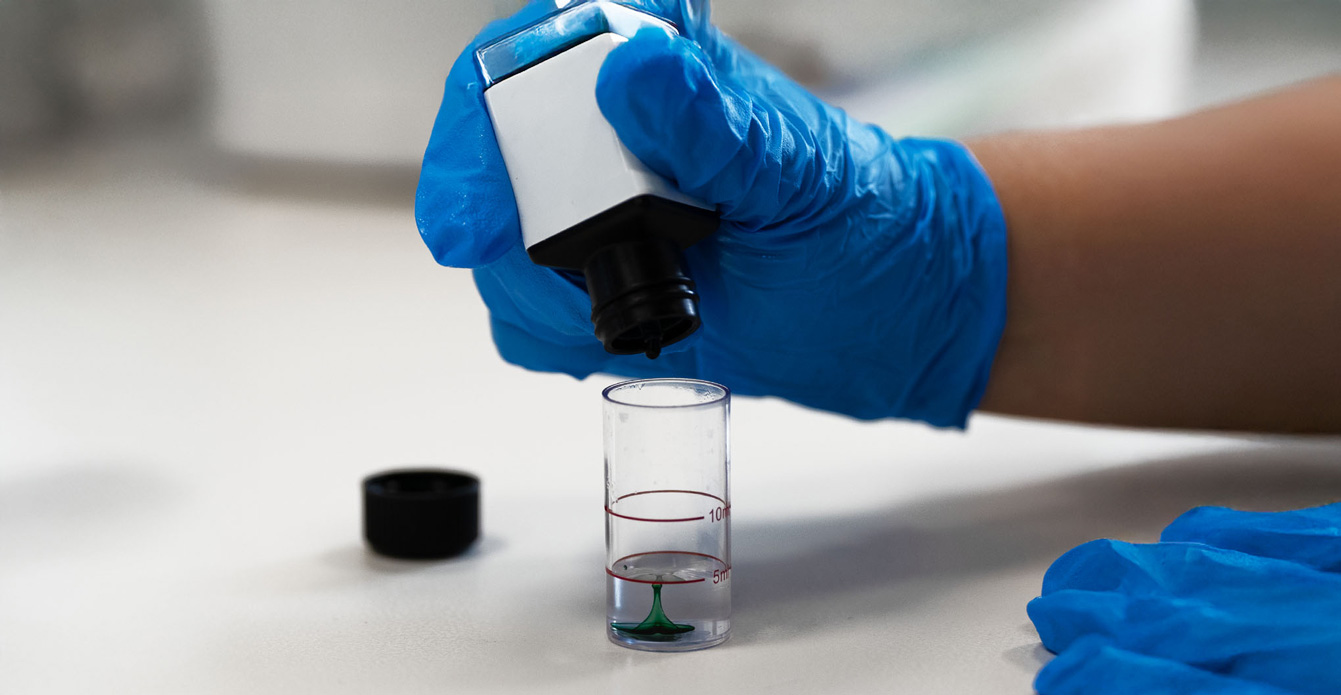
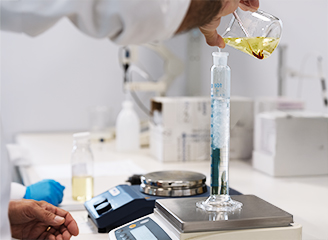
Maintaining the fluid at the correct concentration, monitoring its pH and ensuring a good level of cleanliness significantly reduces these risks. Carrying out regular checks and installing suitable oil separation systems not only keeps the metalworking fluid in optimal condition but also makes a tangible contribution to creating a safer, tidier and healthier workplace.
Greater efficiency and higher productivity
Proper management of the metalworking fluid offers benefits not only in terms of safety but also has a direct and measurable impact on production performance.
A stable and well-maintained metalworking fluid promotes longer tool life, as it reduces friction, overheating and wear. It also improves the quality of machined parts, thanks to more effective temperature control and more consistent machining, with positive effects on dimensional tolerances and surface finish. A further benefit is the reduction in machine downtime, as a clean and well-managed fluid helps prevent faults, unexpected stoppages and unplanned corrective actions.
The economic benefits are also clear: effective metalworking fluid management helps to keep costs down by extending the fluid’s service life, reducing waste, limiting disposal costs and decreasing the need for top-ups or replacements. This allows the workshop to operate more consistently, reducing variability in results and achieving more consistent quality and production standards over time.
What are the best practices for effective metalworking fluid management?
Setting up an effective metalworking fluid management programme does not necessarily require complex procedures, but rather method, consistency and attention to the most relevant parameters.
Among the most important activities is the regular monitoring of concentration, pH and contamination levels. It is equally essential to adopt oil separation systems capable of removing residual oil, metal particles and other debris that can compromise the quality of the fluid. Metalworking fluid changes should be planned based on the actual condition of the product and not merely according to fixed time schedules, so as to intervene in a more efficient and targeted manner.
Another crucial element is operator training, ensuring staff are aware of the correct methods for using, handling and monitoring the metalworking fluid, as well as the safety practices to follow in daily operations. Finally, it is useful to establish documentation and traceability systems, which allow data to be recorded, recurring anomalies to be identified and problems to be anticipated before they have a tangible impact on production.
Final considerations
Proper metalworking fluid management offers tangible benefits from every perspective: it protects operators, improves working conditions and supports the efficiency of the production process. Viewing metalworking fluid as a strategic component of the manufacturing process, rather than merely a consumable, means investing in safety, quality and operational continuity. Companies that adopt this approach can reduce risks, contain costs and achieve tangible improvements in both productivity and workplace safety.
 Blog
Blog