

 Blog
Blog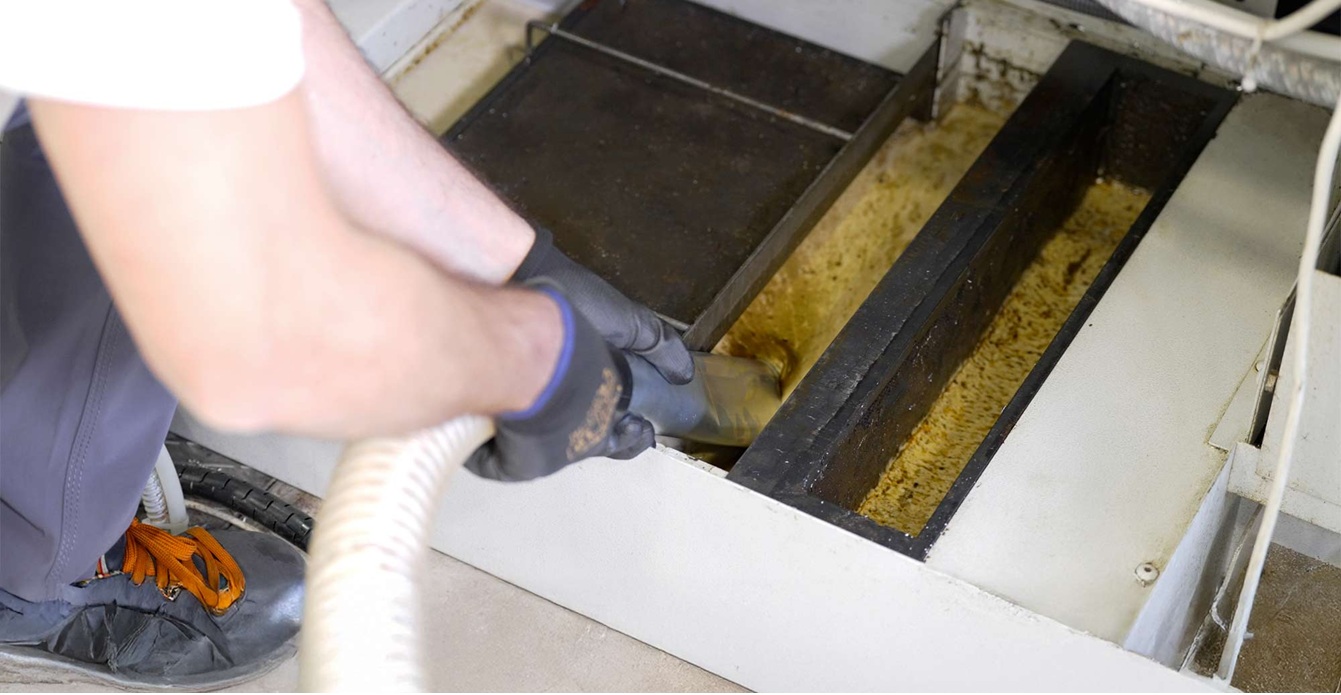
Con l’arrivo del periodo estivo, molte officine e reparti produttivi si preparano a un’interruzione più o meno prolungata delle attività. Il fermo macchina rappresenta un momento utile per programmare interventi di manutenzione, verifiche tecniche e operazioni di pulizia che, durante la normale produzione, vengono spesso rimandate.
Tra le attività più importanti rientra la corretta gestione delle vasche delle macchine utensili e dell’emulsione lubrorefrigerante esausta. Lasciare in vasca un fluido degradato, contaminato da trucioli, oli estranei, fanghi e residui di lavorazione può causare diversi problemi alla ripartenza: cattivi odori, proliferazione batterica, incrostazioni, corrosione dei componenti, ostruzioni nei circuiti e peggioramento delle condizioni igieniche dell’ambiente di lavoro.
Per questo motivo, prima della chiusura aziendale è consigliabile pianificare lo svuotamento e la pulizia delle vasche seguendo una procedura ordinata. Un intervento eseguito correttamente permette di ridurre i tempi di riavvio, migliorare la stabilità della nuova emulsione e riprendere la produzione in condizioni più sicure ed efficienti. A tal proposito, ecco una breve guida con tutte le best practice da seguire.
Why drain machine tool tanks before the summer shutdown?
During normal use of the machine tool, the coolant emulsion comes into contact with metal swarf, cutting oils, organic residues, dust and contaminants from the machining process. Over time, these elements tend to accumulate at the bottom of the tank and within the circuits.
When the machine is left idle for several days or weeks, especially during the warmer months, these conditions can deteriorate rapidly. The lack of fluid circulation, rising temperatures and the presence of residues promote the degradation of the emulsion and the formation of unpleasant odours.
Preparing the tank correctly before the summer shutdown therefore means not just “cleaning the machine”, but preventing problems that might arise upon reopening, when the workshop’s aim is to get back up and running as quickly as possible.
Add a pre-drain detergent a few days beforehand
The first step is to add a pre-drain detergent specifically designed for machine tools to the emulsion in use. This should be done approximately 3–4 days before draining the tank, to allow the product to work whilst the machine continues to operate or whilst the system is kept in circulation. The aim is to help loosen the dirt accumulated inside the tank, in the pipes and in the less accessible parts of the circuit.
An example of a product that can be used for this stage is CoolSan, a sanitising detergent suitable for cleaning the system during emulsion replacement. The recommended concentration can vary approximately from 2% to 4%, depending on the condition of the machine and the level of dirt present.
In the case of heavily contaminated tanks, with visible deposits, unpleasant odours or persistent residues, it may be advisable to use the higher dosage. Conversely, on machines that undergo regular maintenance and have minimal contamination, a lower percentage may suffice.
During this stage, it is important to allow the emulsion to circulate, so that the detergent can reach the internal parts of the system and help make the subsequent draining operation more effective.
Vacuum out the spent emulsion and all the sludge from the tank
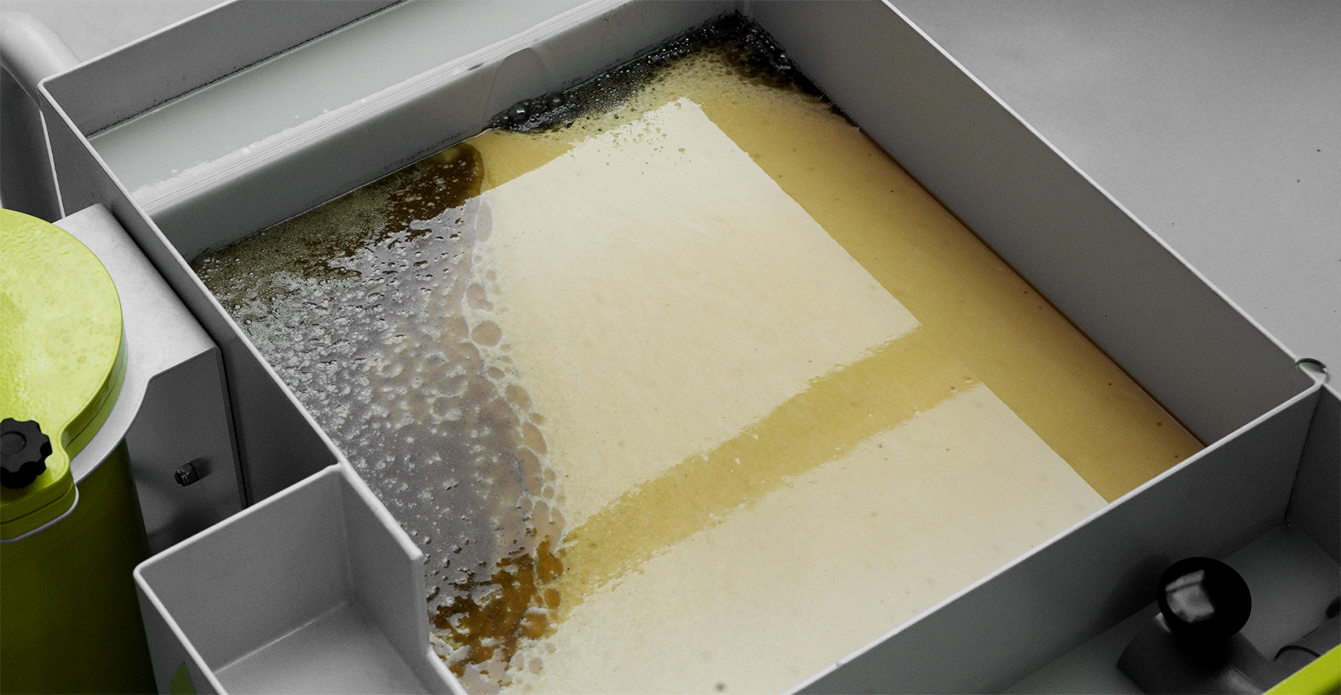
Once the detergent has had sufficient time to work, you can proceed with draining the tank. This stage must be carried out carefully, as it is not enough to remove only the liquid part of the emulsion: it is essential to also vacuum out the sludge, swarf, sludge and all solid residues deposited on the bottom.
The deposits in the tank are, in fact, one of the main causes of contamination of the new emulsion. If not removed correctly, they can quickly compromise even the freshly prepared fluid, leading to instability, unpleasant odours and bacterial growth.
To carry out this operation, it is advisable to use an industrial vacuum cleaner suitable for removing liquids and solids from machine tool tanks, such as the Twist Oil Evo. This type of equipment allows you to extract spent emulsion, oil and swarf, facilitating the separation of solids from liquids and making the emptying process tidier and safer.
During extraction, it is advisable to cover the entire sump, paying particular attention to corners, stagnant areas, zones beneath chip conveyors and areas where sludge and metal residues typically accumulate.
Once extraction is complete, if necessary, manual cleaning of accessible surfaces may be carried out, always in accordance with internal safety procedures and using appropriate PPE.
Leave the machine tool sump empty and the covers open during shutdown
Once emptying is complete, provided the condition of the machine and the working environment allow it, it is preferable to leave the sump empty for the entire duration of the company shutdown.
This reduces the risk of spent emulsion residues remaining stagnant for days or weeks inside the machine, particularly in high temperatures. An empty, clean sump free of debris also helps to limit the formation of unpleasant odours and facilitates visual inspection upon reopening.
If possible, it is also advisable to leave the machine’s covers and accessible parts open. Better ventilation helps to dry out the interior of the sump and reduces conditions conducive to contamination.
Naturally, this procedure must be assessed in light of the production context, the safety of the area and company procedures. Covers may only be left open if there are no risks to people, plant or machine components.
What to do when the company reopens
Upon resuming operations, before restarting the machine tool, it is necessary to check the condition of the tank and ensure that there are no visible residues, build-up or contamination.
At this point, the tank can be filled using fresh emulsion, prepared at the concentration recommended by the coolant manufacturer. The preparation must be carried out carefully, following the instructions in the product data sheet and using suitable water.
It is important to remember that the coolant must always be added to the water and not the other way round, in order to ensure the emulsion forms correctly and to reduce the risk of instability.
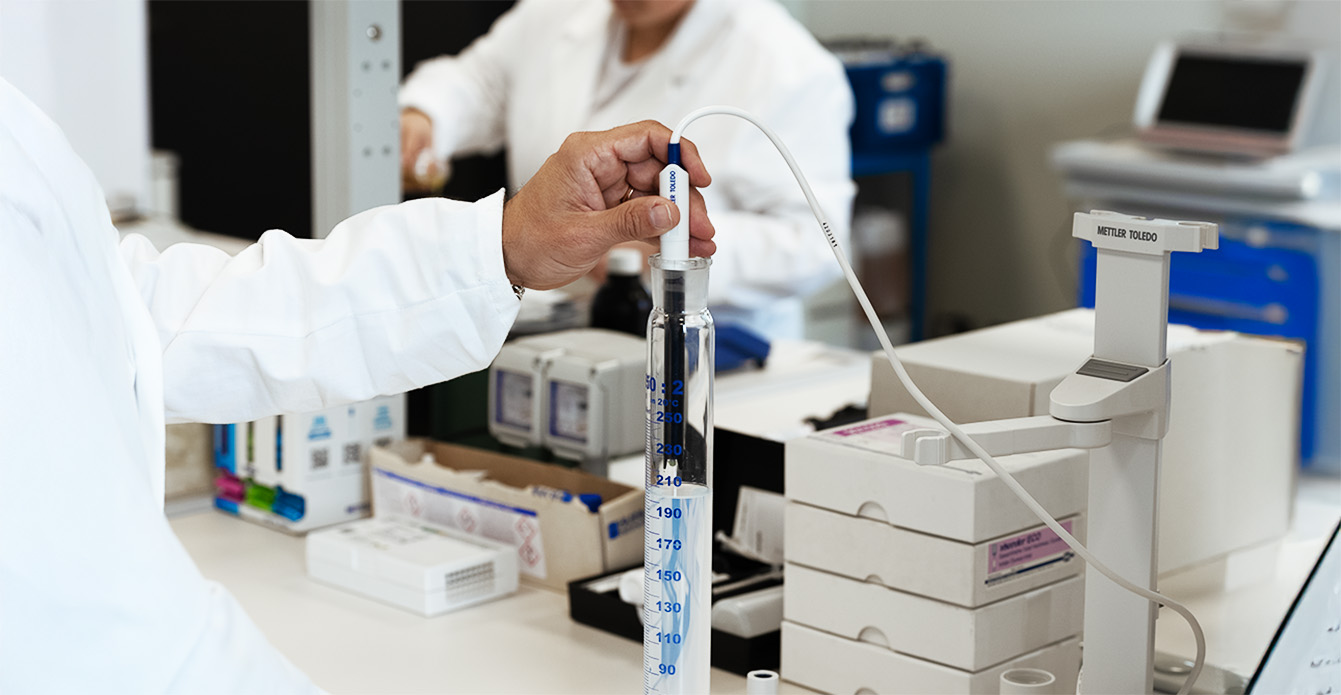
Once the tank has been filled, it is advisable to circulate the fluid through the system before starting production, checking that the circuit is functioning correctly and that there are no obvious faults. Finally, checking the concentration using a refractometer allows you to confirm that the emulsion has been prepared correctly and is ready for use.
The benefits of proper cleaning of machine tool tanks
Following a systematic procedure for draining and cleaning tanks during the summer shutdown offers several tangible benefits.
First and foremost, it allows you to restart with a cleaner machine and fresh emulsion, reducing the risk of immediate contamination of the new fluid. Furthermore, it helps to limit unpleasant odours, stagnant residues and hygiene issues that could compromise the working environment.
From a production perspective, a properly cleaned tank facilitates the resumption of activities and reduces the likelihood of unscheduled maintenance in the first few days after reopening. Machining quality can also benefit, as a coolant prepared correctly and introduced into a clean system operates under more stable conditions.
Conclusions
The summer shutdown presents a strategic opportunity to maintain machine tool tanks and prepare the workshop for a more efficient restart. Treating the tank with a pre-drain cleaner before closure, thoroughly vacuuming out spent emulsion and sludge, leaving the tank empty where possible, and restarting with fresh emulsion are simple yet essential steps.
Proactive management prevents dirt accumulated during production from becoming a problem upon reopening. On the contrary, it helps protect the machine, improve operating conditions and ensure a clean, controlled working environment for the new coolant.
Preparing the tanks properly today means restarting tomorrow with fewer unforeseen issues, greater safety and more stable production.
 Practical guide